


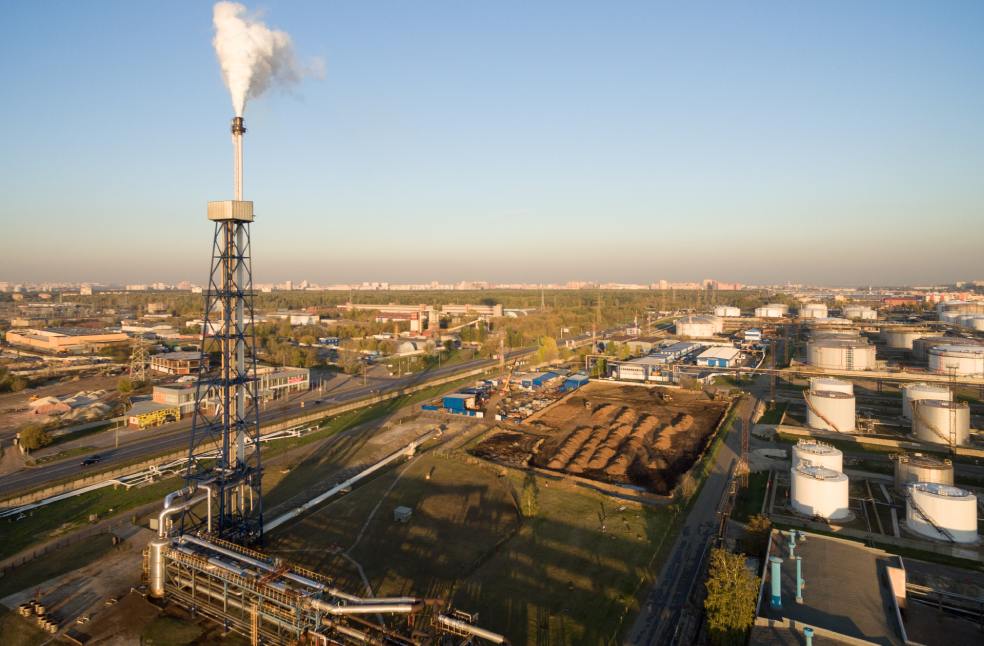
Australia: The lifetime of one of Australia’s largest fossil fuel projects has been extended by four decades, allowing the North West Shelf project to operate until 2070.
The extension comes just days before the federal government is expected to announce its emissions reduction targets for 2035. Australia, one of the world’s highest per capita polluters, has pledged to cut emissions by 43 percent by 2030. Critics argue that continuing to rely heavily on fossil fuels undermines global climate goals.
Environment Minister Murray Watt defended the decision, stating the extension includes dozens of strict conditions. Woodside Energy, the operator of the project, must cut specific gas emissions by 2030 and achieve net zero by 2050.
Murray Watt stated that, “The conditions will avoid and mitigate significant impacts to the Murujuga rock art,” referring to the World Heritage-listed Indigenous site in Western Australia’s Pilbara region. Additional safeguards will protect the area, including legal obligations for consultation with Indigenous communities and a monitoring system to ensure compliance with emissions limits.

Woodside Energy’s Chief Operating Officer Liz Westcott welcomed the extension, highlighting the company’s role in providing ‘reliable energy as it has for more than 40 years.’ The project, which includes a processing and export plant in Karratha, was originally due to expire in 2030 but received preliminary approval in May.
Peter Hicks, chair of the Murujuga Aboriginal Corporation, praised the additional protections, emphasising the cultural and spiritual significance of the site. Peter Hicks remarked that, “This extraordinary landscape has been managed and cared for by our ancestors for more than 50,000 years.”
Climate groups, including the Australian Conservation Foundation, criticised the extension, calling the project a ‘carbon bomb’ that threatens global efforts to reduce rising temperatures. Australian Greens leader Larissa Waters described the decision as a betrayal and disastrous for the future of the planet.
Australia has faced successive natural disasters in recent years, and climate experts warn that without dramatic cuts to emissions, the country and the world will confront more severe crises. Prime Minister Anthony Albanese, who came to power in 2022 promising stronger climate action, has faced criticism for the government’s continued support of coal and gas projects.
MOST READ | Microsoft and OpenAI ink non-binding restructuring agreement
