


Sydney: The number of heat-related deaths in Sydney could surge by almost 450 percent if global heating exceeds 3 °C, according to a landmark national climate risk assessment that concludes no Australian community will be immune from the ‘cascading, compounding and concurrent’ risks of worsening climate change.
The report also exposes the rising dangers for coastal communities from sea-level rise, including flooding, erosion, and inundation. It projects that by 2050, about 1.5 million people living along Australia’s coasts will be at risk, a number expected to rise to more than 3 million by 2090.
The federal government released the long-awaited assessment on September 15, describing it as the most detailed picture to date of the wide-ranging social and economic consequences of the climate crisis for Australia.
Prepared by the Australian Climate Service and the Department of Climate Change, the inaugural assessment modelled the impact of hazards such as heatwaves, droughts, floods, bushfires, storms, and cyclones under three global warming scenarios, above 1.5°C, above 2 °C, and above 3 °C. It notes that warming across the Australian continent has already reached 1.5 °C.
Among its findings, the report warns that public health risks will intensify with ‘significant potential for loss of life and strain on health systems.’ Under a 3C scenario, the number of heat-related deaths in Sydney could rise by 444 percent, while Darwin could see an increase of 423 percent.
The assessment also modelled the economic impact. It is estimated that the direct costs of natural disasters such as floods, bushfires, storms, and cyclones could reach $40 billion a year by 2050, even if global heating is limited to 1.5 °C. Losses in property value could reach $611 billion by 2050, rising further to $770 billion by 2090. In another key finding, the number of workdays lost due to heatwaves could reach 2.7 million across the workforce under the 3C scenario.
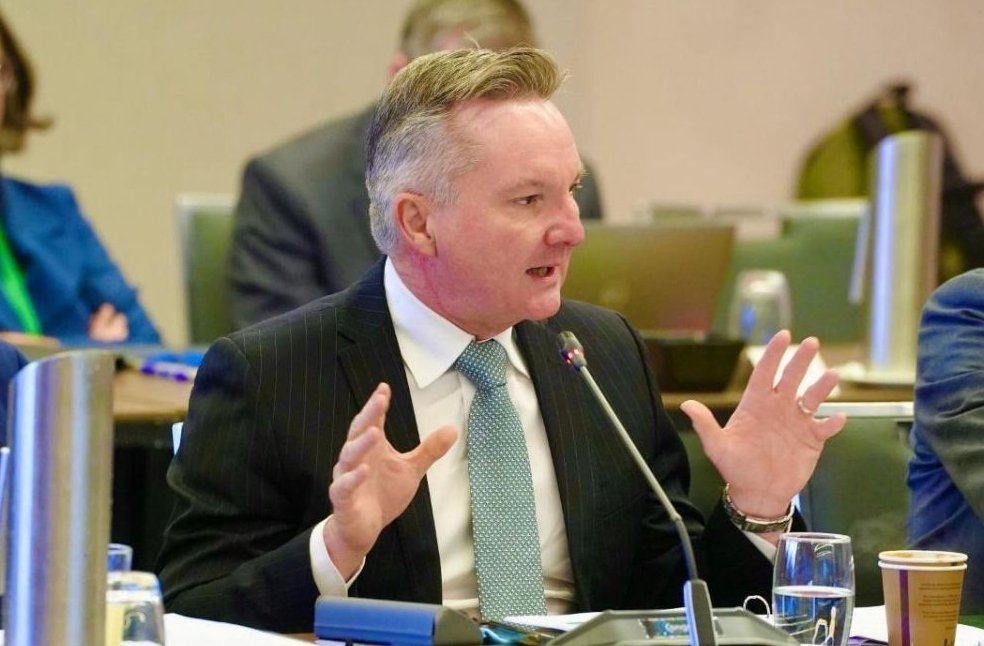
To accompany the report, the government also released a national adaptation framework to help communities prepare for a changing climate. Climate Change Minister Chris Bowen said that, “Australians are already living with the consequences of climate change today but it’s clear every degree of warming we prevent now will help future generations avoid the worst impacts in years to come. Australia’s first national climate risk assessment and our national adaptation plan are a roadmap to address the unavoidable impacts of climate change, to build a more resilient country for all communities, regions, and industries.”
The release of the risk assessment signals the start of a defining week for the Albanese government’s climate action agenda. The government is expected to unveil its 2035 emissions reduction target this week, alongside the Climate Change Authority advice that shaped it, an overarching plan to achieve net zero, and detailed pathways for six major sectors of the economy.
Delays in publishing the assessment had sparked accusations that the government was attempting to bury its findings, which sources familiar with the report described as ‘intense and scary.’ The Greens successfully pushed for a parliamentary inquiry into the hold-up, with its first hearing.
ALSO READ | Rare unsold tickets for India vs Pakistan Asia Cup match in Dubai
