


Sydney: Australia has expanded its landmark social media ban for children under 16 to include Reddit and Kick, increasing the number of affected platforms to nine.
The restriction set to take effect from December 10 already applies to Facebook, X, Snapchat, TikTok, YouTube, Instagram, and Threads as part of the world’s first nationwide initiative to restrict underage access to social media.
Under the new regulations, tech companies could face penalties of up to A$50 million (US$32.5 million; £25.7 million) if they fail to take ‘reasonable steps’ to deactivate existing accounts held by under-16s or prevent the creation of new ones.
The Australian government stated that the targeted platforms were selected because their sole or significant purpose is to enable online social interaction, and noted that more platforms may be added in the future due to the ‘fast-changing’ nature of technology.
Time to learn and grow
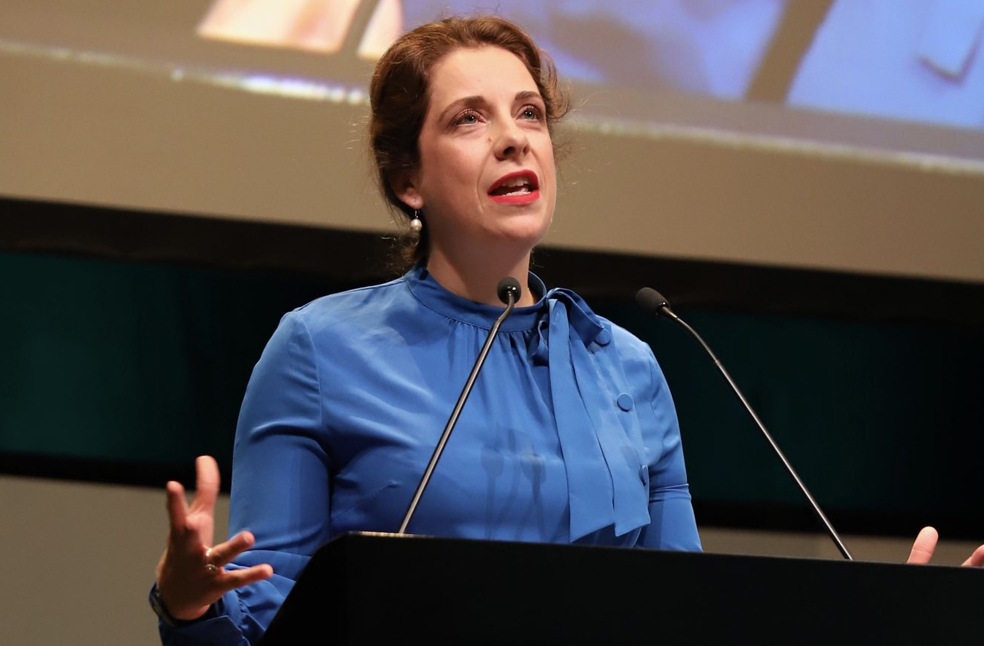
eSafety Commissioner Julie Inman Grant said that the move is designed to protect children from manipulative online design systems. “Delaying children’s access to social media accounts gives them valuable time to learn and grow, free of the powerful, unseen forces of harmful and deceptive design features such as opaque algorithms and endless scroll,” Grant explained.
The social media ban will not include messaging platforms such as Discord and WhatsApp, gaming platforms like Lego Play and Roblox, or educational platforms such as Google Classroom and YouTube Kids.
Federal Communications Minister Anika Wells emphasised that the decision is focused on protecting children from the excessive influence of online platforms. “We aren’t chasing perfection, we are chasing a meaningful difference,” Wells said, describing how online platforms can target children with ‘chilling control.’
The social media ban has drawn global attention, though questions remain over how companies will enforce it. Potential verification methods include official ID checks, parental approval systems, and facial recognition technology. However, critics and privacy advocates have raised concerns about data privacy risks, the accuracy of age verification tools, and the potential for data misuse, citing reports showing that all proposed methods carry shortcomings.
While polls suggest most Australian adults support the measure, mental health experts have voiced reservations. Some argue that social media ban could cut young people off from vital online connections, while others warn it might drive them toward more dangerous, unregulated online spaces.
They propose that the government should instead focus on stricter enforcement of harmful content policies and digital literacy education to prepare children for responsible internet use.
Initially, YouTube was exempted from the social media ban, but the government reversed its decision in July, citing that the platform was the most frequently mentioned site where children aged 10 to 15 were exposed to harmful content.
Under the final policy, teens under 16 will still be able to watch YouTube videos but will be barred from holding accounts, meaning they cannot upload content, comment, or interact on the platform.
ALSO READ | Australia to offer free Solar Power hours daily by 2026
