


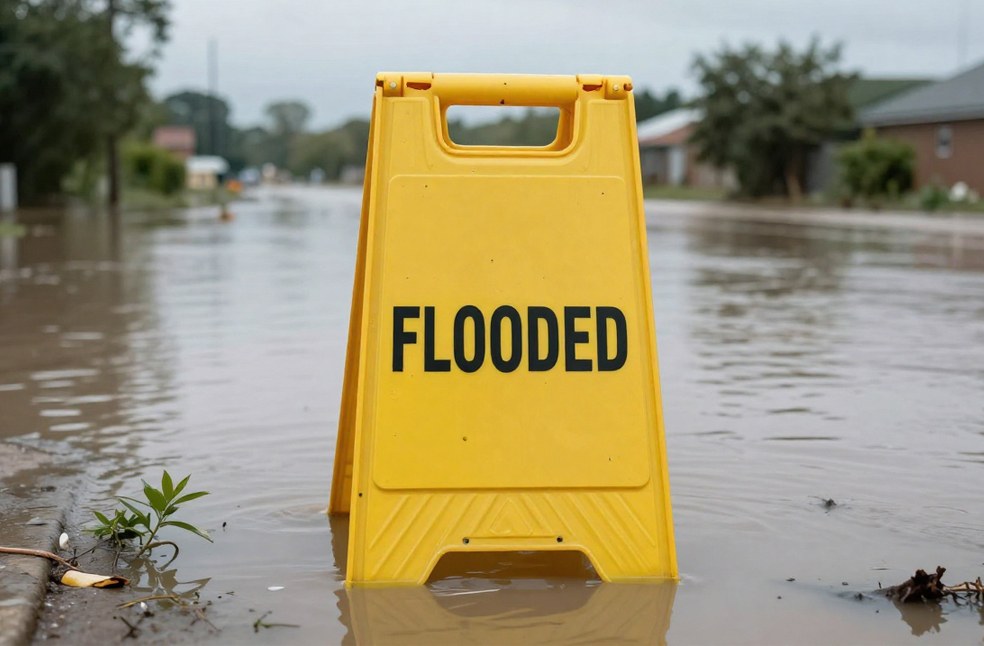
California: A powerful atmospheric river storm has swept across California, forcing hundreds of residents to evacuate as torrential rain triggered widespread flash flooding on Christmas Eve, particularly in the southern parts of the state.
In one mountain resort area, video footage showed mud and debris surging down roads, while fast-moving floodwaters rushed through the porches of several homes. The US National Weather Service warned that ‘life-threatening atmospheric river conditions’ are expected to persist through Christmas Day, with a rare ‘high risk of excessive rainfall’ alert remaining in place.
California Governor Gavin Newsom declared a state of emergency in six counties, saying the move would allow emergency authorities to mobilise resources in advance to protect communities. Los Angeles County officials said that around 130 evacuation orders were issued for homes considered vulnerable, many of them located in areas previously scorched by wildfires earlier this year.
Scenes like this are dangerous today. Even a small amount of water can quickly become a serious threat.(©️CALFIREBDU )
📍 Sheep Creek Wash Bridge, Phelan, California, USA. pic.twitter.com/rGhqKdiTko
— Weather Monitor (@WeatherMonitors) December 25, 2025
Southern California typically receives about 2.5 centimetres of rain at this time of year, but National Weather Service meteorologist Mike Wofford noted that many areas could record between 10 and 20 centimetres this week, with even higher totals expected in mountainous regions.
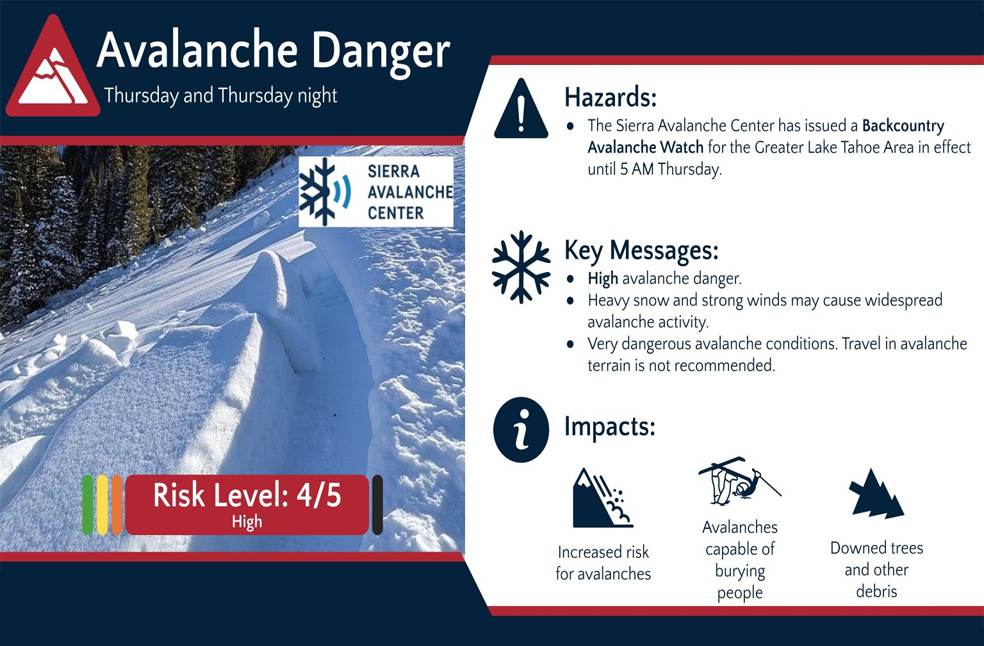
Heavy snowfall and strong gusts were forecast to create near white-out conditions in parts of the Sierra Nevada, making travel through mountain passes nearly impossible. Authorities also warned of a ‘considerable’ avalanche risk around Lake Tahoe, according to the Sierra Avalanche Centre.
Atmospheric rivers are long, narrow bands of moisture in the atmosphere that transport water vapour from tropical regions. When they make landfall, the moisture is released as heavy rain or snow.
These systems occur worldwide but are especially significant along the US West Coast, where they account for 30 percent to 50 percent of annual rainfall. While not all atmospheric rivers are destructive, a 2025 study published in the Journal of Climate found that climate change is making them larger, wetter, and more frequent.
Despite the disruption, utility provider Pacific Gas and Electric remarked that power had been restored to more than 165,000 homes affected by storm-related outages.
California remains particularly vulnerable to extreme weather, with rapid shifts between wet and dry conditions increasing the risks of floods, droughts, wildfires, and other natural disasters across the state.
MOST READ | Frosty Christmas ahead for UK; But snow remains unlikely
