


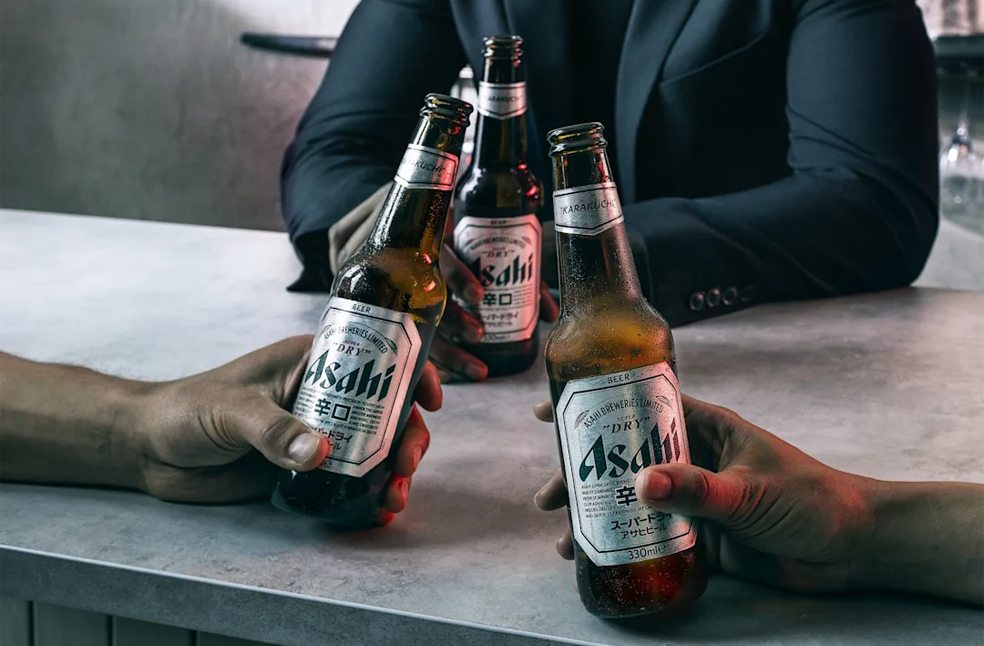
Tokyo: Japanese beer giant Asahi announced that a massive cyber-attack in September may have exposed the personal data of more than 1.5 million customers.
The company issued a detailed statement on the ransomware incident, which had severely disrupted production at its facilities across Japan and forced staff to revert to pen-and-paper methods to process orders.
Asahi confirmed that information belonging to individuals who had contacted its customer service centres was likely compromised, with affected people expected to be notified shortly. The company also said it would delay its full-year financial results so it can focus entirely on managing the consequences of the cyber-attack.
Although Asahi did not identify the attacker or specify any ransom demands, the ransomware group Qilin, which has targeted several major global firms, claimed responsibility for the breach.
According to Asahi’s preliminary findings, the company detected unusual activity at one of its data centres. Despite isolating the system quickly, investigators found that the attacker had already infiltrated the network, encrypted company data, and deployed ransomware, effectively blocking access to critical files.
The company said that data stored on infected computers and hacked servers was exposed. This includes personal information from 1.52 million customers, such as names, gender, addresses, and contact numbers. Additionally, data belonging to about 107,000 current and former employees and 168,000 of their family members was potentially compromised.
The names and contact details of 114,000 external contacts who had communicated with the company were also linked. Asahi stressed that no credit card details were part of the leaked information.
The beer maker noted that so far, there is no evidence that the stolen data has been publicly leaked. The impact, it added, is limited to systems managed within Japan.
Asahi, which also owns major European brands like Peroni and Fuller’s Brewery in the UK, confirmed that these international operations were not affected. Asahi noted that it spent nearly two months containing the breach and is now working to restore services and rebuild network security.
The cyber-attack triggered drink shortages across Japan, as retailers struggled to stock Asahi’s products. With Asahi accounting for roughly 40 percent of Japan’s beer market, outages affected both its alcoholic and non-alcoholic drinks, including ginger beer and soda water.
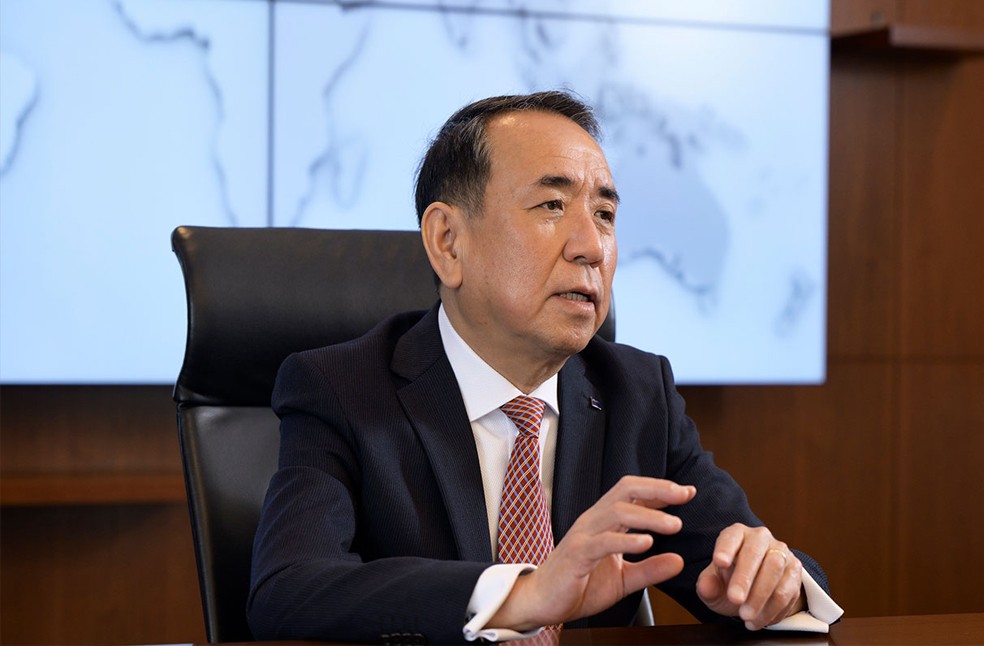
Shipments are now slowly resuming, said Company President and CEO Atsushi Katsuki, who apologised for the disruptions. Katsuki said that, “We are making every effort to achieve full system restoration as quickly as possible, while implementing measures to prevent recurrence and strengthening information security across the group.”
Asahi’s breach comes amid a wave of global cyber-attacks affecting major brands. Recently, Jaguar Land Rover was forced to secure emergency funding after a significant cyber-attack crippled production at its UK factories.
ALSO READ | UK forces trial ‘Bobbi;’ First AI-powered Police assistant
