


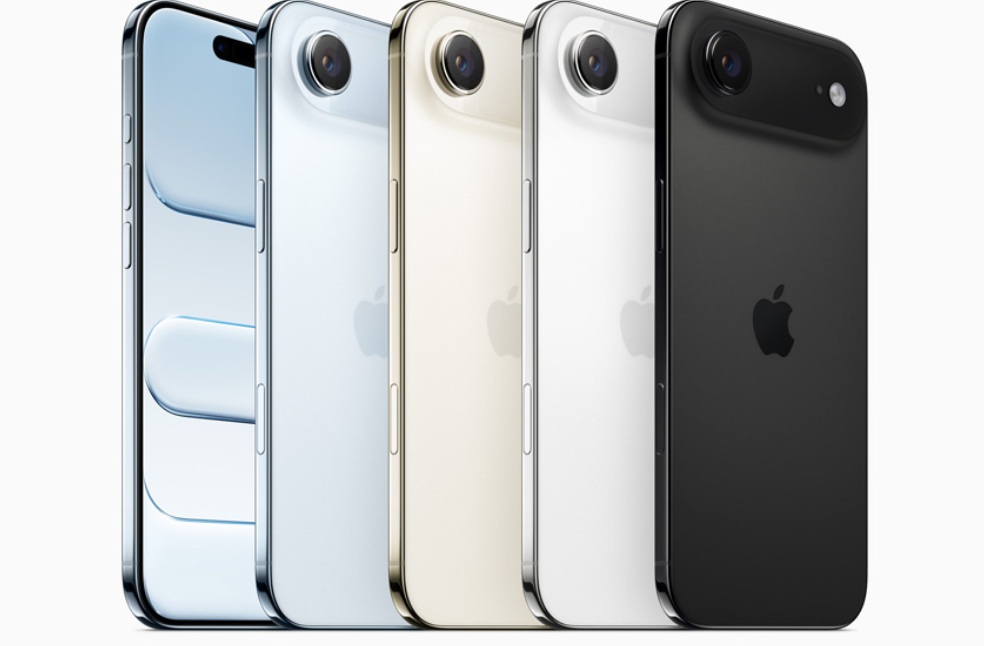
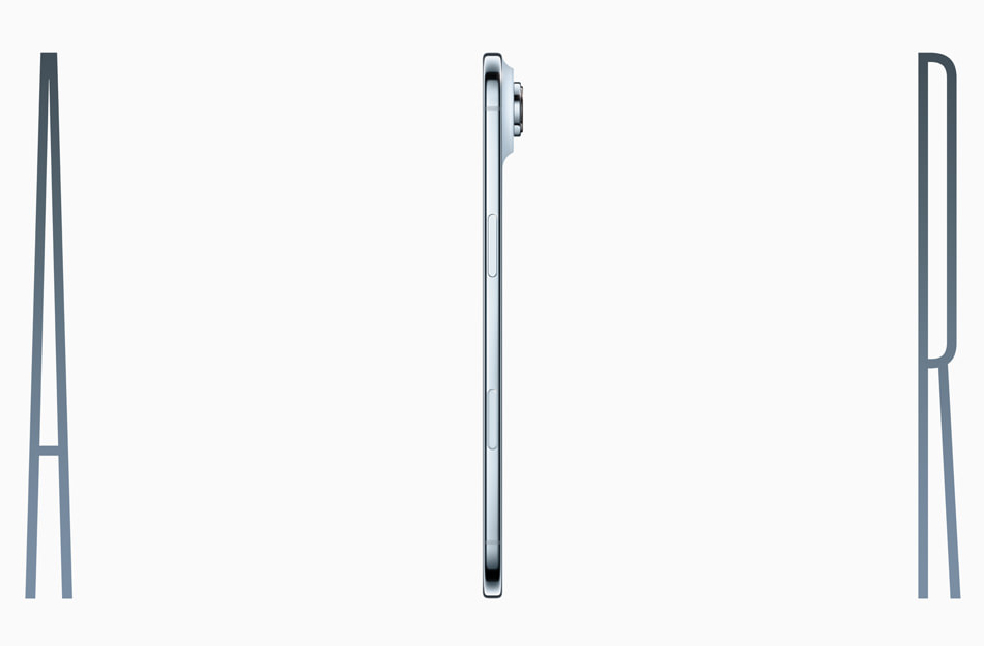
California: Apple has unveiled the iPhone Air, described as the slimmest handset in the company’s history and a major design shift after years of incremental changes.
Chief Executive Tim Cook introduced the device at Apple’s headquarters in Cupertino, referencing a quote from Steve Jobs to highlight the company’s philosophy that design is also about functionality.
Measuring 5.6 millimetres thick, the iPhone Air is thinner than Samsung’s Galaxy S25 Edge at 5.8 millimetres. The internal circuitry has been compressed to the size of postage stamps, which Apple has said enables all-day battery life. The model incorporates the A19 Pro processor tuned for artificial intelligence tasks, alongside two custom communication chips.
Analysts have suggested that the iPhone Air could appeal strongly to consumers who value portability and design, though concerns remain about whether the slimmer frame can sustain the battery capacity Apple has promised. Some observers also noted the omission of multiple camera lenses, with the Air carrying only one compared to the dual cameras on the iPhone 17 and the triple-camera system on the Pro models.
Gaurav Chaudhary, a technology content creator known as Technical Guruji, stated that the titanium frame and ceramic shield glass made the device feel durable and distinct despite earlier leaks about its features. Paolo Pescatore of PP Foresight said that the new handset reinvigorates the iPhone segment, bringing needed variety to the range.
Ben Bajarin of Creative Strategies said that confirmation of the battery life will be critical, but added that Apple’s history of designing its own chips has prioritised both energy efficiency and compact size.
Analysts have further noted that while Apple has not introduced major artificial intelligence features in this launch, the new design could trigger many users to upgrade during the holiday shopping season.
IDC analyst Will Wong cautioned that the slimmer design has come with compromises in battery life, cameras, and audio, which may affect consumer adoption. However, IDC’s Nabila Popal said that pricing will make the iPhone Air a strong seller, particularly as it replaces the iPhone Plus model that accounted for up to 7 percent of Apple’s shipments.
The iPhone Air is positioned in the middle of Apple’s lineup and is priced at $ 100 less than Samsung’s Galaxy S25 Edge, which shipped 1 million units in the second quarter. Market watchers said that the device could help Apple regain customers in China, though competition from lower-priced, slimmer alternatives remains a challenge.
Seventeen years after Jobs famously unveiled the MacBook Air by sliding it out of an envelope, Apple has extended that design language to its most important product line. With the iPhone Air, analysts believe the company has reasserted its reputation for design leadership in a competitive smartphone market.
RELATED POST | Apple set to launch iPhone 17 at annual product event
