


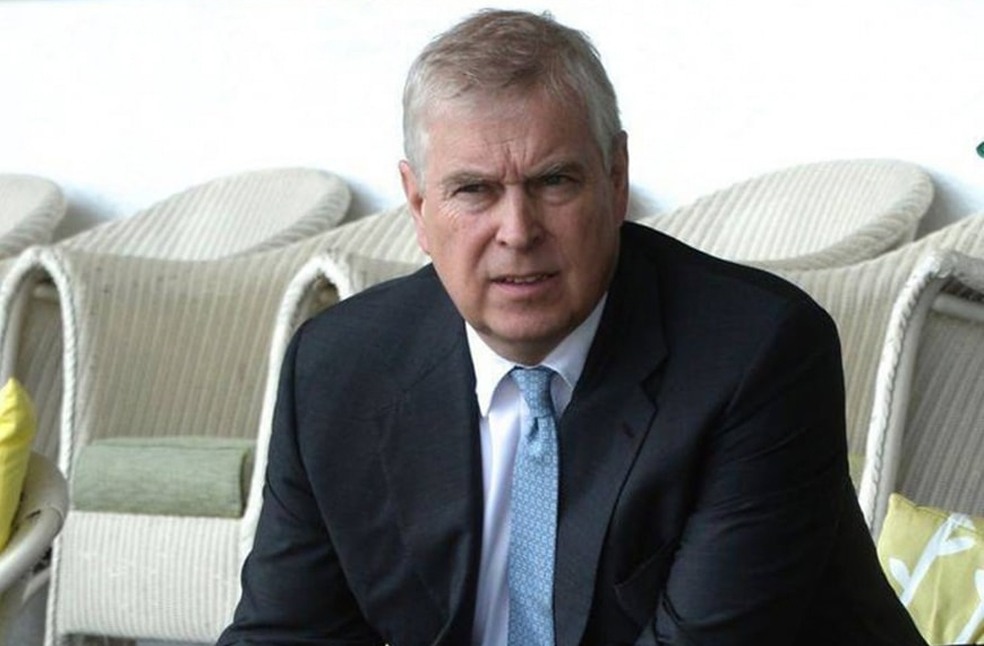
Norfolk: Andrew Mountbatten-Windsor, the younger brother of King Charles III, was released under investigation after arrest over claims he passed confidential government documents to the late financier and convicted sex offender Jeffrey Epstein.
Mountbatten-Windsor, who turned 66, was questioned throughout the day by detectives from Thames Valley Police. Earlier this month, the force confirmed it was examining claims that he shared official papers with Epstein during his tenure as the UK’s Special Representative for Trade and Investment.
The arrest of a senior royal, eighth in line to the throne, is unprecedented in modern times. Police later confirmed that ‘the arrested man’ had been released under investigation, meaning inquiries are ongoing and no charges have been brought.
Earlier in the day, six unmarked police vehicles and around eight plain-clothed officers were seen at Wood Farm on the Sandringham estate in Norfolk, where he now lives. Officers were also reported to be searching the mansion on the Windsor estate that he formerly occupied before stepping back from royal life.
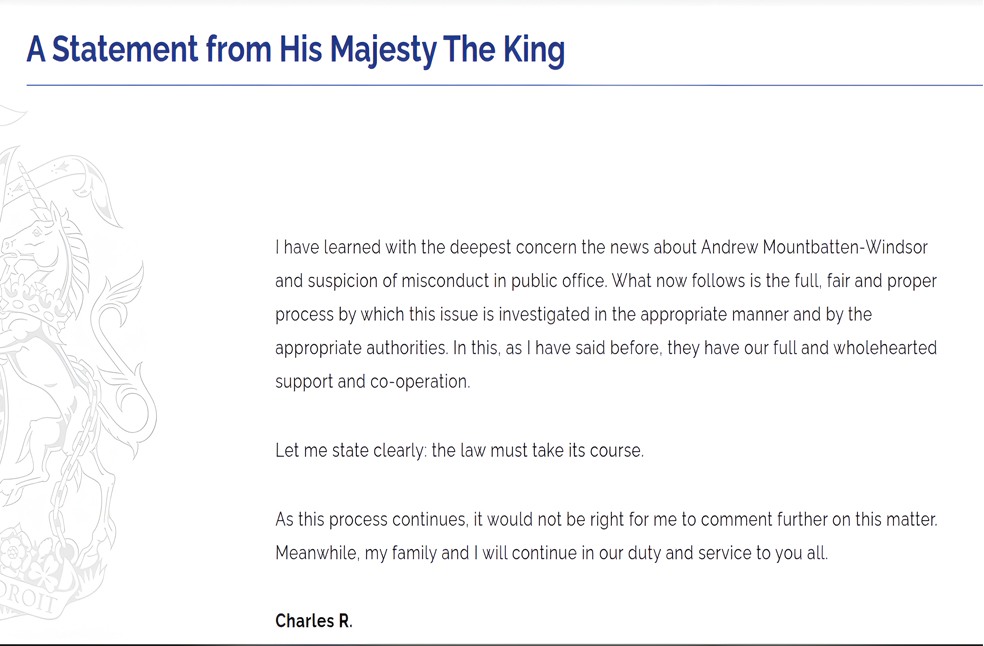
Epstein files release
The allegations gained renewed attention following the release of more than three million pages of documents by the US Justice Department relating to Epstein, who was convicted in 2008 of soliciting prostitution from a minor.
Files suggested that in 2010, Mountbatten-Windsor forwarded Epstein reports concerning Vietnam, Singapore, and other destinations he had visited on official trips. Andrew stepped down from his trade envoy role in 2011 after scrutiny over his association with Epstein intensified.
Assistant Chief Constable Oliver Wright remarked that a formal investigation into suspected misconduct in public office had now been opened following a thorough assessment. Wright acknowledged the significant public interest and said updates would be provided when appropriate.
While an arrest indicates reasonable suspicion, it does not imply guilt. Misconduct in public office is a common law offence not defined by statute and is considered legally complex. If prosecuted and convicted, it carries a maximum sentence of life imprisonment and would be tried in the Crown Court.
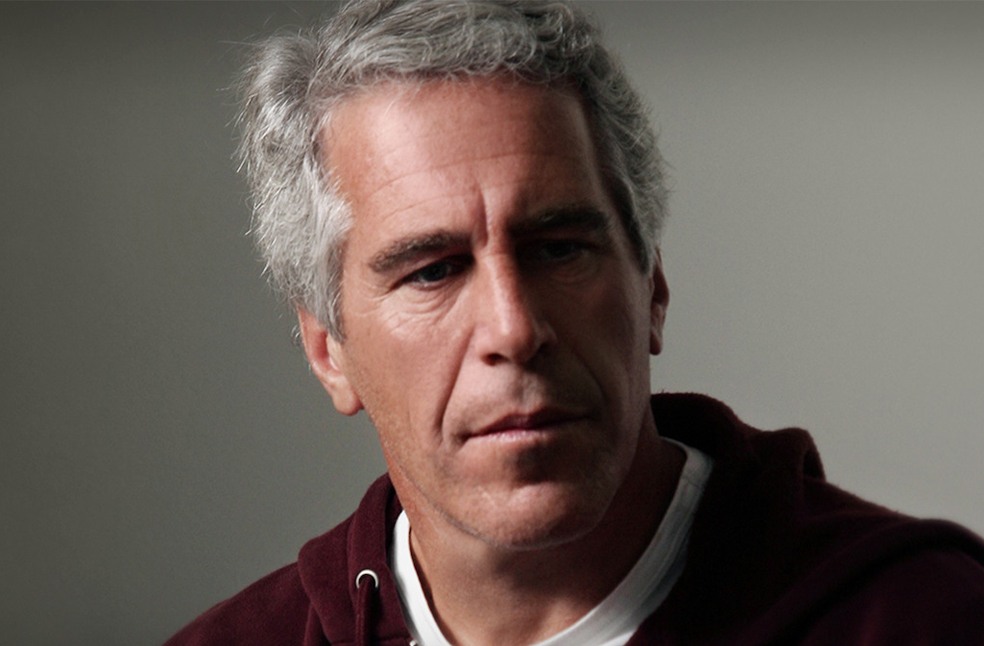
Mountbatten-Windsor has long denied any wrongdoing connected to Epstein and previously expressed regret over their friendship. Andrew has not commented publicly since the release of the latest US documents, and his office did not respond to requests for comment.
The investigation is separate from the civil case brought in the United States by the late Virginia Giuffre, who accused him of sexual abuse when she was a teenager, allegations Mountbatten-Windsor denied.
Prince Andrew settled the lawsuit in 2022 without admitting liability. Giuffre died by suicide in 2025. Her family said in a statement that their ‘broken hearts have been lifted’ by the news that no one is above the law.
In response to the arrest, former US President Donald Trump described the situation as ‘very sad’ and noted that it was bad for the Royal Family.
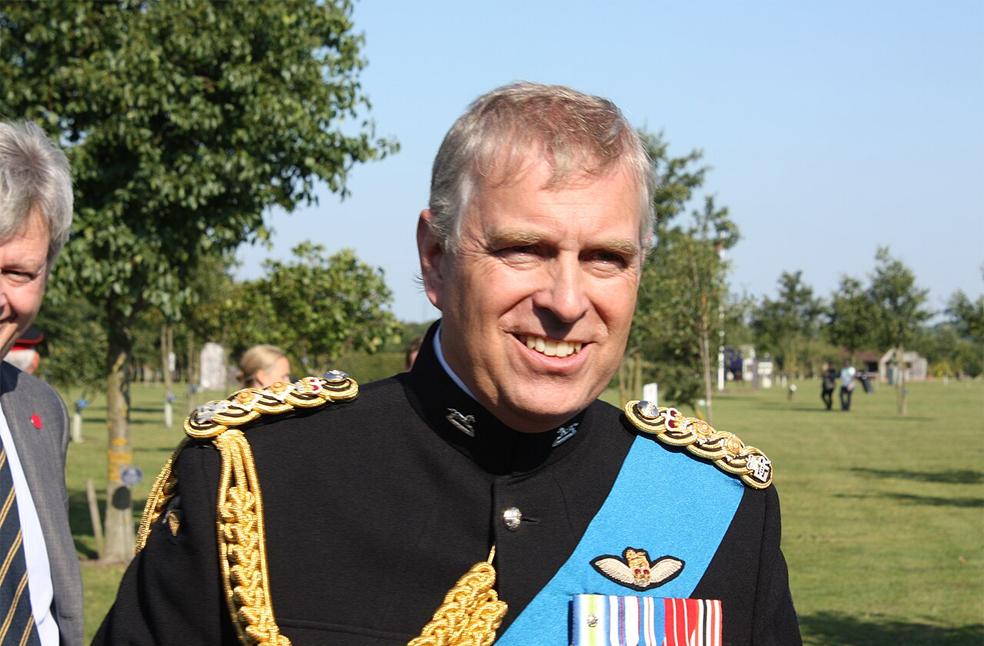
The latest episode represents another low point for the former prince. Mountbatten-Windsor withdrew from public duties in 2019 amid fallout from his ties to Epstein and was stripped of his military titles and royal patronages by the King last October following further revelations about their relationship.
Separately, anti-monarchy campaign group Republic has reported him over allegations he was involved in trafficking a woman to Britain for sex in 2010. Thames Valley Police noted that it was assessing claims that a woman had been taken to an address in Windsor where he had been living.
British Royals accused
US lawmakers have also suggested he should give evidence before congressional committees examining what he knew about Epstein. If Prince Andrew were ultimately to face criminal charges, Mountbatten-Windsor would join a very small number of senior British royals formally accused of offences.
Princess Anne was fined for speeding in 2001 and in 2002 became the first royal in 350 years to be convicted of a criminal offence after pleading guilty to failing to control one of her dogs. Further back in history, Charles I was tried for treason in 1649 and executed following the English Civil War.
RELATED POST | Prince Andrew arrested over Epstein-linked allegations
