


Florida: Airlines worldwide are preparing for flight delays and schedule disruptions after Airbus instructed immediate modifications to thousands of its aircraft, following the discovery that intense solar radiation could corrupt data vital to flight controls.
Around 6,000 aircraft, roughly half of Airbus’s global fleet, have been flagged for updates. The majority, approximately 5,100 planes, can be fixed with a simple three-hour software update. However, 900 older aircraft will require full computer replacements and cannot carry passengers until those systems are updated.
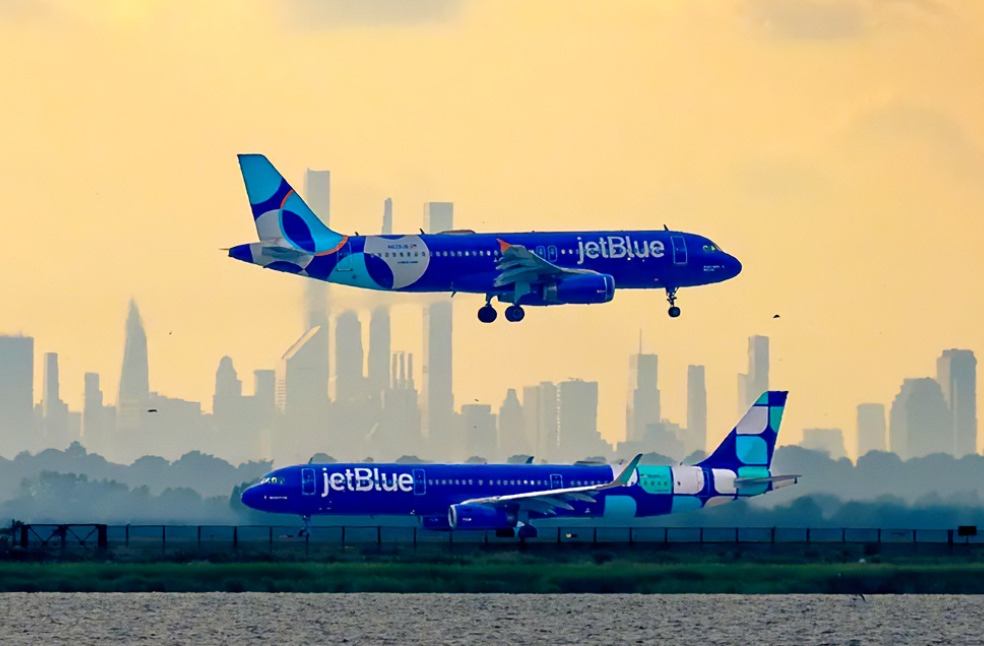
The issue came to light after a JetBlue A320 experienced a sudden loss of altitude on October 30, forcing an emergency landing in Florida. At least 15 passengers were injured. Airbus confirmed the malfunction was linked to the aircraft’s ELAC computer, which controls key flight surfaces such as elevators and ailerons, and can be affected by high-altitude solar radiation.
Regulators and airlines across the globe have begun responding. The UK Civil Aviation Authority (CAA) warned of some disruption and cancellations as airlines work to complete the updates. Heathrow reported no operational impact so far, while Gatwick confirmed limited disruptions affecting a small number of airlines.
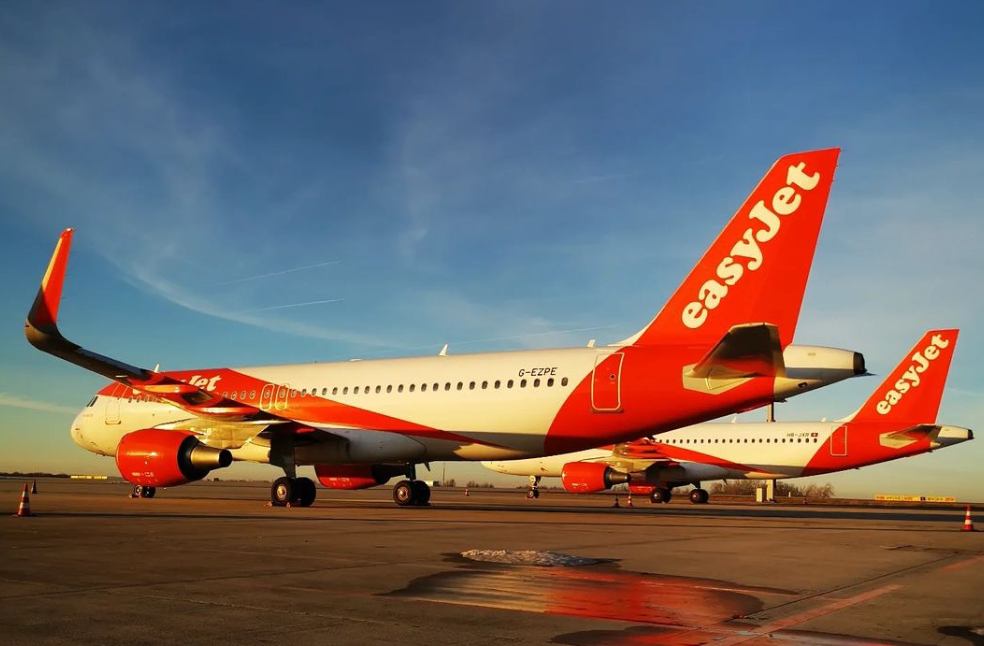
EasyJet said some delays were expected but noted it had already completed updates on many aircraft. British Airways is reportedly minimally affected. Airlines in the US, Europe, India, and Australia are also adjusting operations.
American Airlines said 340 of its aircraft require updates but expects the impact to be short-term, while Delta forecasts only limited delays. Jetstar in Australia has already been forced to hold some flights, though Qantas reported no issues.
EASA, the European Union Aviation Safety Agency, has issued an emergency airworthiness directive requiring airlines to complete software or hardware upgrades before affected aircraft can return to passenger service. Older planes will be permitted to fly only ferry flights without passengers to reach maintenance facilities.
Despite the rare nature of the problem, safety authorities emphasised that commercial aviation remains one of the safest modes of transport. Transport Secretary Heidi Alexander said the quick response demonstrates strong global safety standards. Airbus has apologised for the disruption, stating that the precautionary measures are essential to ensure fleet safety.
TOP PICKS | Pope Leo XIV embarks on 1st foreign trip with message of unity
