



Bengaluru, India: OpenAI, Google, and Perplexity have launched an aggressive push to expand their presence in India by rolling out free plans, triggering an unprecedented battle for artificial intelligence users in the world’s most populous nation.
Analysts say the free plan strategy is designed not only to drive mass adoption but also to collect valuable multilingual data that can strengthen AI training models.
India presents a uniquely attractive market for AI companies. It is the world’s second-largest smartphone market with around 730 million devices, while users consume an average of 21 gigabytes of data per month at just 9.2 cents per gigabyte, among the lowest mobile data costs globally.
This scale, affordability, and linguistic diversity make India an ideal environment for testing AI tools through free plans. To lure price-conscious users, Google began offering its $400 Gemini AI Pro subscription as a free plan for 18 months to 500 million Reliance Jio customers in November.
Reliance Jio is India’s largest telecom operator. Google also recently added India to dozens of countries where it is offering its heavily discounted ‘AI Plus’ package, further strengthening its free plan-led expansion strategy.
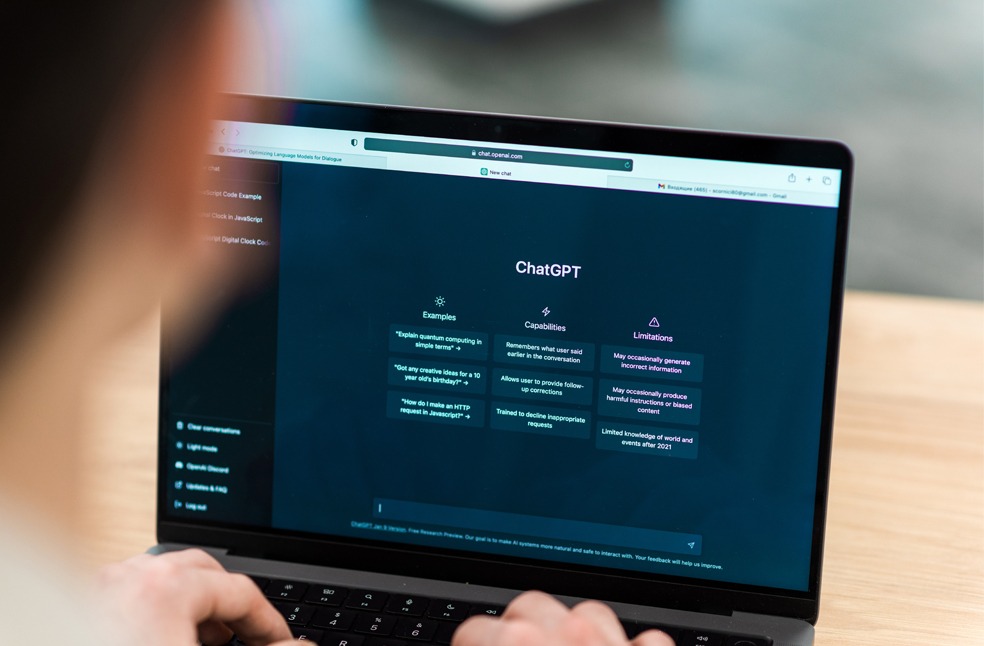
OpenAI has followed a similar approach by making its ChatGPT Go free plan available to users across India for one year. The ChatGPT Go free plan, which offers extended, though not unlimited, usage, was previously priced at $54 in India and remains paid in more than 100 countries. Like Google’s Gemini AI Pro, the ChatGPT Go free plan is available only in India.
Early indicators suggest these free plans are driving a sharp rise in usage. According to market intelligence firm Sensor Tower, daily active users of ChatGPT in India surged 607 percent year-on-year to 73 million as of last week, more than double the number in the United States.
Google’s Gemini also benefited from its free plan, with daily users in India rising 15 percent since the Reliance Jio offer launched in November, reaching 17 million, compared with 3 million in the U.S.

Perplexity has also entered the competition with its own free plan offering. The company made its Perplexity Pro free plan, normally priced at $200 per year globally, available for one year to users of the Indian telecom operator Airtel.
Perplexity says the free plan provides unlimited access to its most advanced research tools. Sensor Tower data shows India now accounts for more than one-third of Perplexity’s global daily active users, up from just 7 percent last year.
However, OpenAI’s India executive, Pragya Misra, said on social media that the decision to introduce the ChatGPT Go free plan reflects the company’s ‘continued India-first commitment’ and its aim to make AI tools more accessible.
Despite the accessibility benefits, AI analysts say the free plan strategy also serves a deeper purpose. Five experts noted that India’s mix of languages, dialects, and communication styles provides crucial training data that can help AI models handle complex linguistic patterns often missing from existing datasets.
The data generated through free plan usage helps address these gaps. “Free plans fill gaps in AI training data sets that currently lack information on user behaviour patterns in the region,” said Sagar Vishnoi, co-founder of AI think tank Future Shift Labs.
The effectiveness of free plans in India is well established. Reliance, led by billionaire Mukesh Ambani, previously used aggressive pricing, including months of free data and voice services, to rapidly grow its telecom business, which now has over 500 million users. Similarly, Reliance and Disney offered free cricket streaming on their platforms before merging their India media operations.
Usage data highlights how well free plans are performing in the AI space. In November, 46 percent of ChatGPT’s monthly users in India opened the app daily, compared with 20 percent for Perplexity and 14 percent for Gemini, according to Sensor Tower.
Overall, the rapid rollout of free plans by global AI leaders underscores India’s growing importance in the future of artificial intelligence, both as a massive user market and as a critical source of diverse training data that could shape next-generation AI models.
MOST READ | FDA warns major retailers over recalled baby formula sales
