


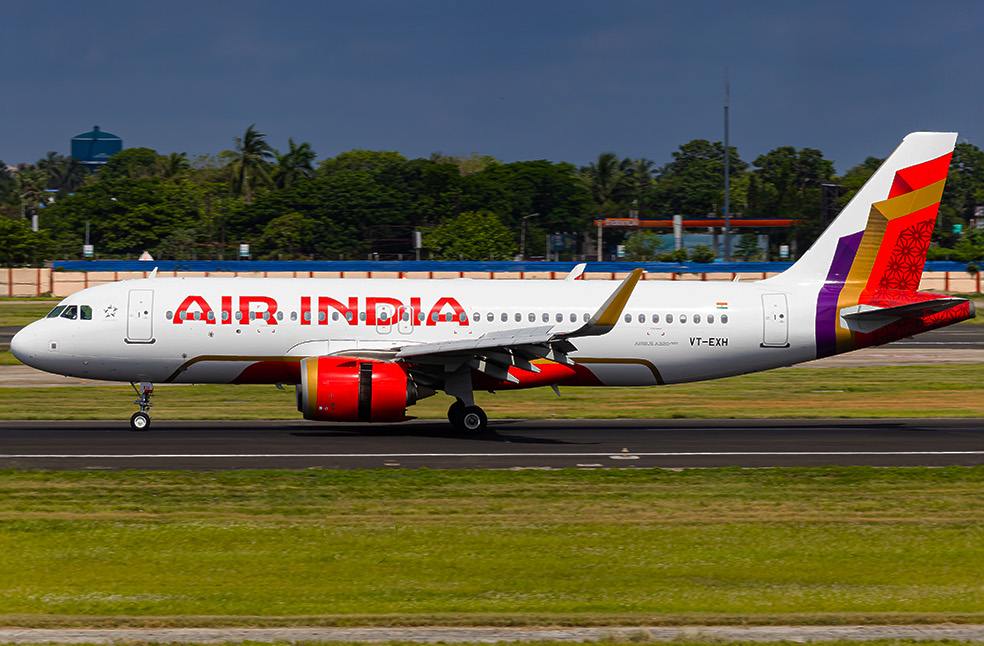
India: Air India Chairman N Chandrasekaran has said that both engines of the Boeing 787-8 Dreamliner which crashed had clean histories, with one being newly installed and the other not due for servicing until December.
Chandrasekaran clarified that, “The right engine was a new engine put in March 2025. The left engine was last serviced in 2023 and is due for its next maintenance check in December 2025.” At least 270 people were killed when flight AI171, en route from Ahmedabad to London, crashed just seconds after takeoff. It is one of the deadliest aviation disasters in India’s recent history.
Investigators are now combing through wreckage and analyzing data from the aircraft’s black boxes including flight data and cockpit voice recordings to determine the cause of the crash. Chandrasekaran remarked that, “There are a lot of speculations and theories. But the fact I know so far is this particular aircraft, this specific tail, AI171, has a clean history.”
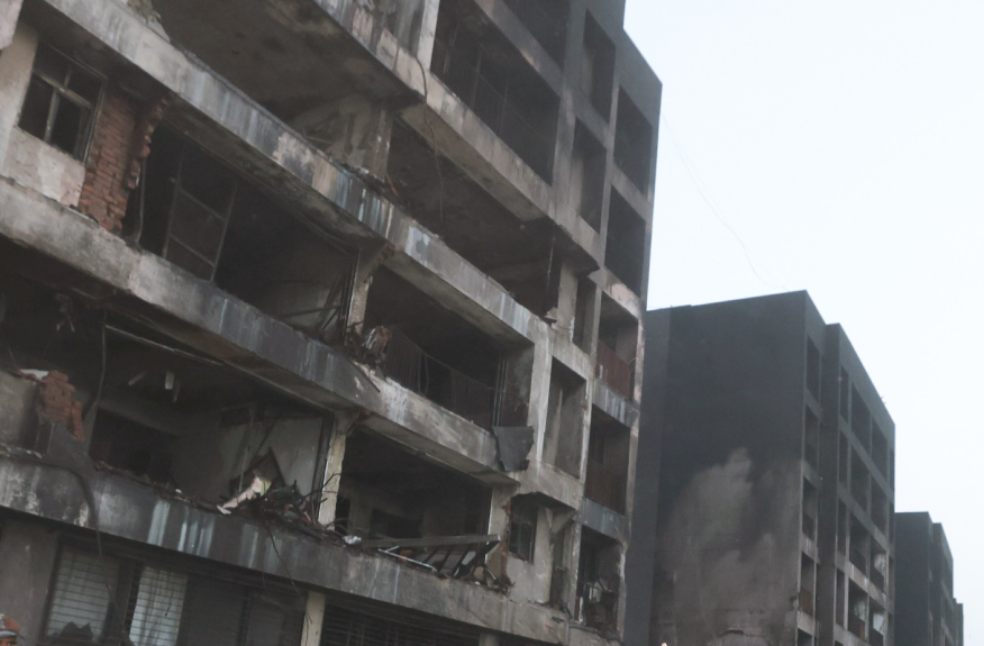
Aviation experts have also weighed in on the engine’s role in the crash. Kishore Chinta, a former investigator with India’s Aircraft Accident Investigation Bureau, told that engine condition depends more on performance monitoring than age, especially in the case of the Genx-1B engines used on the Dreamliner.
Chinta stated that, “These engines don’t follow a fixed overhaul schedule. They are monitored in real-time by a digital system called FADEC.” He added that while the engine overall may not require regular overhauls, certain components known as Life Limited Parts (LLPs) still have a cycle-based lifespan, typically between 15,000 and 20,000 cycles.
Air India has temporarily reduced its international operations by 15 percent on wide-body aircraft until mid-July, citing compounding circumstances including enhanced safety protocols and regional tensions.
Inspections have been completed on 26 out of the airline’s 33 Boeing 787 aircraft, all of which have been cleared for service. India’s aviation regulator had ordered mandatory safety checks on the fleet as a preventive measure after the crash.
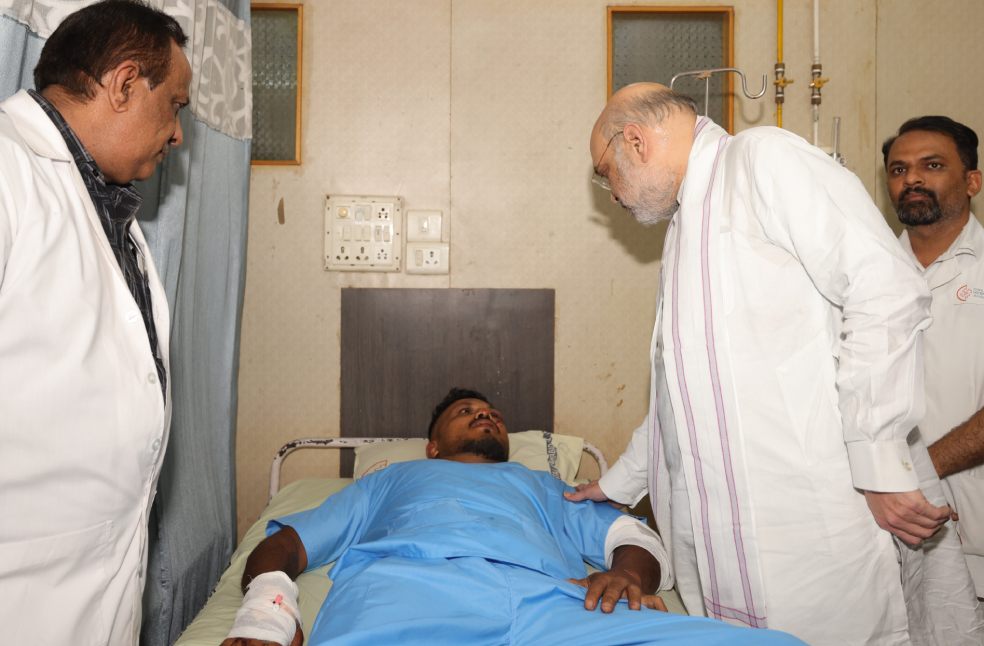
Inspections of the remaining Dreamliners and parts of the airline’s Boeing 777 fleet are still underway. Air India remarked that, “The curtailments are a painful measure to take, but are necessary following a devastating event which we are still working through and an unusual combination of external events.”
The crash comes at a critical time for Air India, which is undergoing a massive restructuring under Tata Sons, the conglomerate that acquired the former national carrier from the Indian government in 2022. As Tata Group works to restore Air India’s reputation and competitiveness, the tragedy is expected to impact public confidence and could slow momentum in its turnaround strategy.
The crash has cast a shadow over the airline’s modernization push, but experts say transparent communication and swift investigation outcomes will be crucial in rebuilding trust.
TRENDING | Oil prices jump after Israel strike on Iran raises supply concerns
