


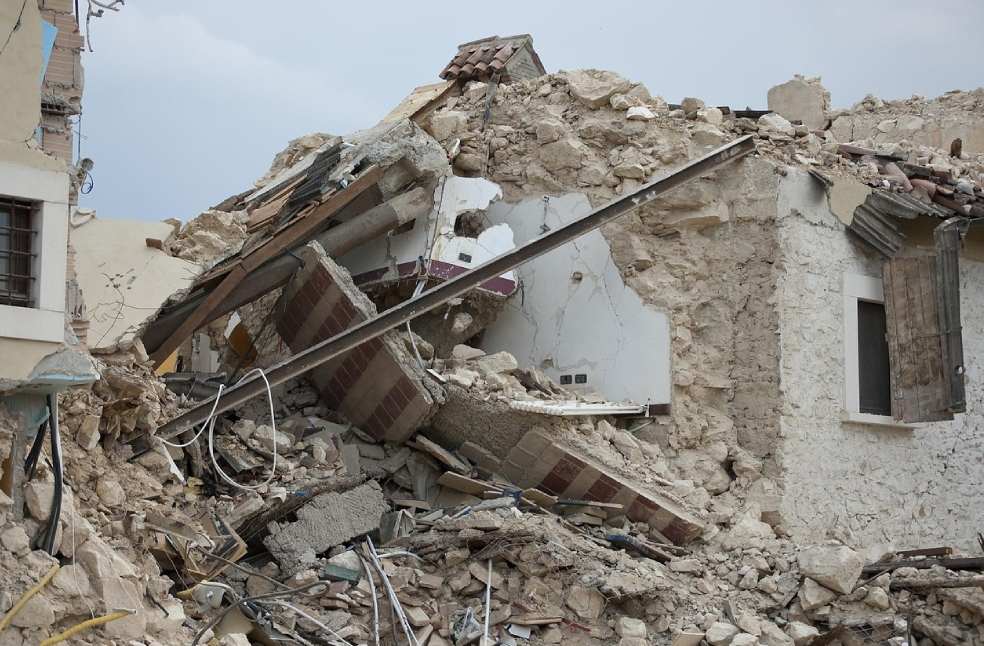
Kabul: Afghan earthquake has devastated eastern regions, killing at least 622 people and injuring more than 1,500, according to authorities.
The magnitude 6 quake has struck Kunar and Nangarhar provinces, toppling homes and leaving families trapped under rubble as rescuers work to recover survivors.
The Taliban-run interior ministry has said that all response teams have been mobilised to provide emergency aid including food, security, and health assistance. Helicopters have been used to ferry the wounded to hospitals, with military teams conducting extensive operations across the affected districts.
Authorities confirmed that the quake has levelled three villages in Kunar and caused heavy damage in several others. At least 610 people have died in Kunar while 12 fatalities have been reported in Nangarhar. Military flights have so far carried out 40 missions, transporting both casualties and survivors to treatment centres.
Sadly, tonight's earthquake has caused loss of life and property damage in some of our eastern provinces.
Local officials and residents are currently engaged in rescue efforts for the affected people.
Support teams from the center and nearby provinces are also on their way,— Zabihullah (..ذبـــــیح الله م ) (@Zabehulah_M33) August 31, 2025
Health officials in Kabul said that rescuers have faced difficulties reaching remote hamlets scattered across mountainous terrain, an area long known for its vulnerability to natural disasters. Homes built from mud and stone have collapsed quickly under the tremors, which struck at a depth of 10 km near the border with Pakistan’s Khyber Pakhtunkhwa region.
This Afghan earthquake has been the deadliest since June 2022, when a magnitude 6.1 quake killed at least 1,000 people in the country’s southeast. Last year, a series of tremors in western Afghanistan claimed more than 1,000 lives, underscoring the nation’s high risk to seismic activity due to its location on the Indian and Eurasian tectonic plates.
The foreign ministry has stated that no international governments have so far extended offers of support for rescue or relief operations. The lack of external assistance adds to the strain on Afghanistan’s limited resources, which are already under pressure from reduced aid flows and the return of displaced citizens from neighbouring countries.
Analysts warn that rebuilding efforts will be difficult given the widespread destruction of housing, infrastructure, and farmland. The earthquake further exposes the fragility of Afghanistan’s disaster preparedness and the challenges in responding effectively to emergencies of this scale.
YOU MAY LIKE | Advanced WhatsApp hack targets fewer than 200; Apple flaws exploited
