


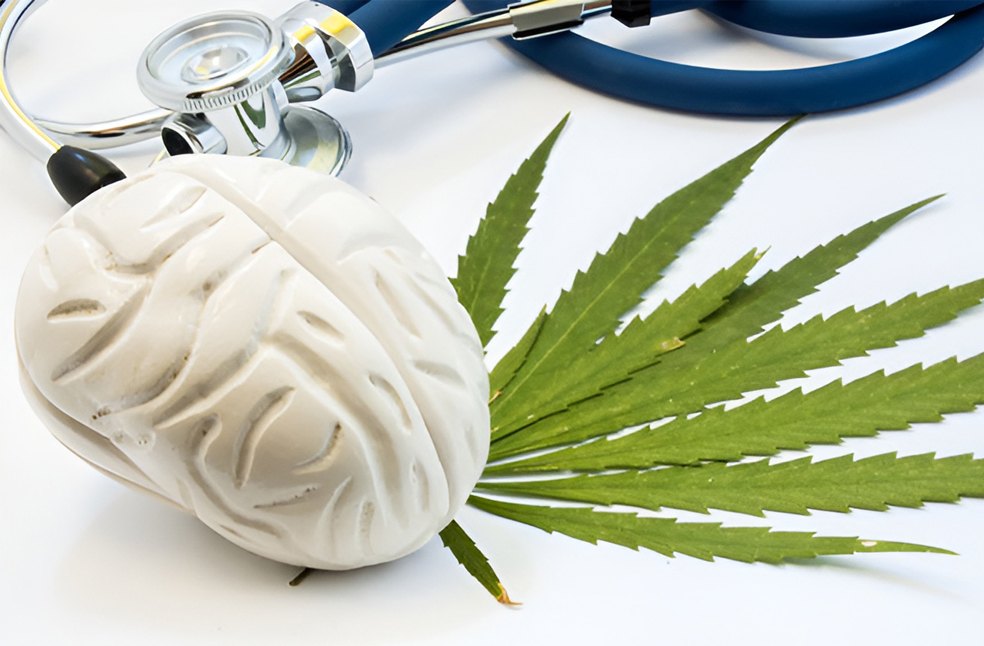
London: A large-scale review has found that cannabis is not an effective treatment for the most common mental health conditions, despite increasing global use for this purpose.
Researchers determined that there is very limited evidence supporting the effectiveness of cannabis-based therapies, or cannabinoids, in treating conditions such as anxiety, Anorexia Nervosa, psychotic disorders, Post-Traumatic Stress Disorder, and opioid use disorder.
Medicinal cannabis
The study was conducted by experts from universities in Sydney, Brisbane, Melbourne, and Bath, and is considered the most comprehensive analysis so far on cannabinoids for mental health and substance misuse. It was prompted by the increasing legalization of medicinal cannabis in countries including the US, UK, Australia, and Canada.
Data from medical cannabis clinics indicate that mental health conditions, particularly anxiety and depression, are the leading reasons patients seek these treatments, followed by chronic pain. In many cases, patients experience both physical and psychological conditions.
Therapeutic benefits of cannabis
The analysis identified some limited therapeutic benefits. Cannabis-based products may help reduce dependence on cannabis itself, improve symptoms of Tourette syndrome, and support better sleep among individuals with insomnia. There is also some evidence suggesting a reduction in certain traits associated with autism spectrum disorder, although this evidence is considered low in quality.
However, the researchers found no convincing evidence that medicinal cannabis is effective in treating mental health conditions. Their conclusions were based on 54 randomized controlled trials involving 2,477 participants, which showed no significant improvements in outcomes related to the disorders studied.
There was also insufficient evidence to determine effectiveness in treating attention deficit hyperactivity disorder, bipolar disorder, obsessive compulsive disorder, and tobacco use disorder. Additionally, no evidence was found supporting cannabis as a treatment for depression.
The findings were published in The Lancet Psychiatry, with researchers concluding that the routine use of cannabinoids for mental health and substance use disorders is rarely justified due to the lack of strong evidence.
Experts have raised concerns that the perceived benefits of cannabis may be overstated. Robin Murray of King’s College London highlighted that therapeutic benefits appear limited while side effects are relatively common, and pointed to the influence of the cannabis industry and expanding clinics in shaping public perception and usage.
Cannabis alleviates symptoms
In contrast, industry representatives maintain that cannabis can help alleviate symptoms of anxiety and PTSD. Mike Morgan-Giles of the Cannabis Industry Council emphasized the importance of access to treatment and referenced real-world evidence, including findings from Project T21, suggesting symptom improvement among patients.
At the same time, the Advisory Council on the Misuse of Drugs is reviewing the impact of the UK’s 2018 legalization of cannabis-based medicinal products, including any unintended consequences. Owen Bowden-Jones of the Royal College of Psychiatrists stated that the findings provide strong evidence that the benefits of cannabis as a medical treatment may have been overstated for many conditions.
While acknowledging modest benefits for certain addictions, he stressed that cannabis should not currently be used for mental illnesses where no proven benefit exists and highlighted the importance of providing patients with clear and accurate information for informed decision-making.
ALSO READ | Sabalenka wins 1st Indian Wells title after thrilling final
