


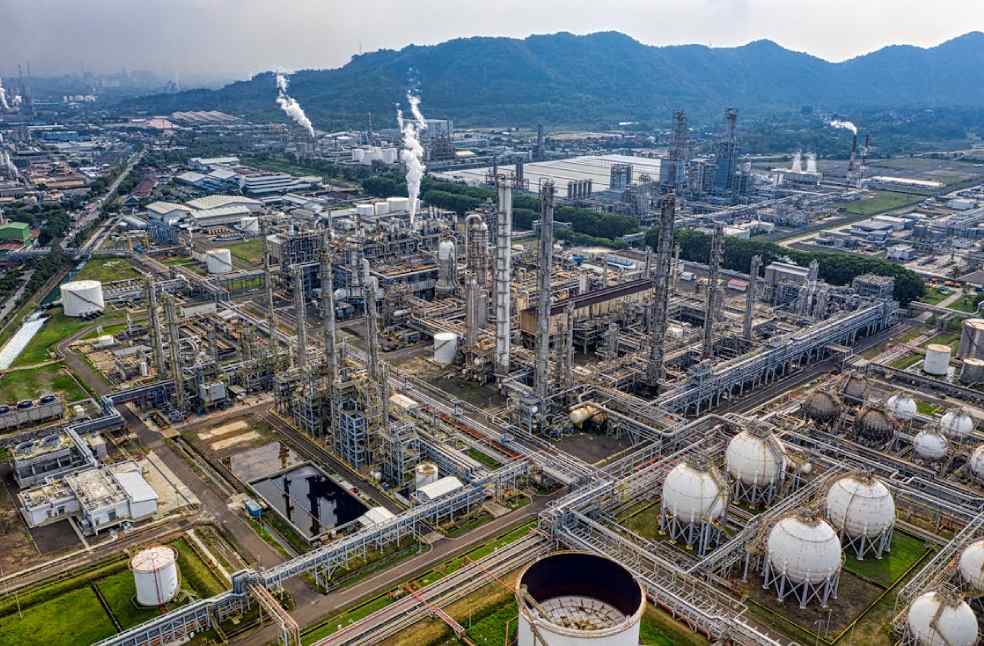
London: Global oil prices have risen again after military strikes targeted Iran’s Kharg Island oil export hub, intensifying fears about energy supply disruptions in the Middle East.
Brent crude, the international benchmark, climbed 1.8 percent during early trading to reach $104.98 (£78.64) per barrel. The increase has followed a weekend of heightened violence in the region, raising concerns about the stability of global energy markets.
Kharg Island, located in the Persian Gulf roughly 27 miles from the Iranian mainland, serves as a critical processing and export hub for Iran. Approximately 90 percent of Iran’s oil exports normally pass through the island’s facilities.
US President Donald Trump said that the strikes had severely damaged the infrastructure on the island. Trump said that, “Most of Kharg Island has been totally demolished.”
Despite the strike, Trump stated that certain energy installations had not been targeted earlier in the conflict. Trump said that, “Only military targets had been hit and oil infrastructure had initially been avoided for reasons of decency.”
However, the attack on Kharg Island has not eased concerns in global markets. Investors remain worried about the impact of ongoing conflict on the flow of oil through key shipping routes.

The oil prices surge has also been linked to the near closure of the Strait of Hormuz. The strategic waterway carries roughly one fifth of the world’s oil supply and is considered one of the most important energy shipping routes globally.
Since the crisis began, attacks on tankers and energy infrastructure have increased across the region. Trump has urged several countries including the United Kingdom, France, Japan, South Korea and China to deploy naval ships to help secure the shipping lane.
The response from allies has been cautious. South Korea has said it is examining possible actions to protect energy transport routes, while the United Kingdom has considered sending minesweeping drones rather than warships.
Rising geopolitical tensions have already pushed oil prices above $100 (£74.93) per barrel last week for the first time since Russia’s invasion of Ukraine. Higher crude prices have begun affecting fuel costs globally. In the United States, the average petrol price reached $3.70 (£2.77) per gallon, according to data from the American Automobile Association.
Some governments in Asia have introduced measures to manage the rising energy costs. Countries including Thailand have expanded fuel subsidies, while Bangladesh has implemented rationing policies to reduce fuel consumption.
Despite the price surge, Trump has suggested that energy prices could eventually fall again once shipping routes are reopened and supply flows stabilise.
DON’T MISS IT | Trump urges allies to send warships to Strait of Hormuz
