


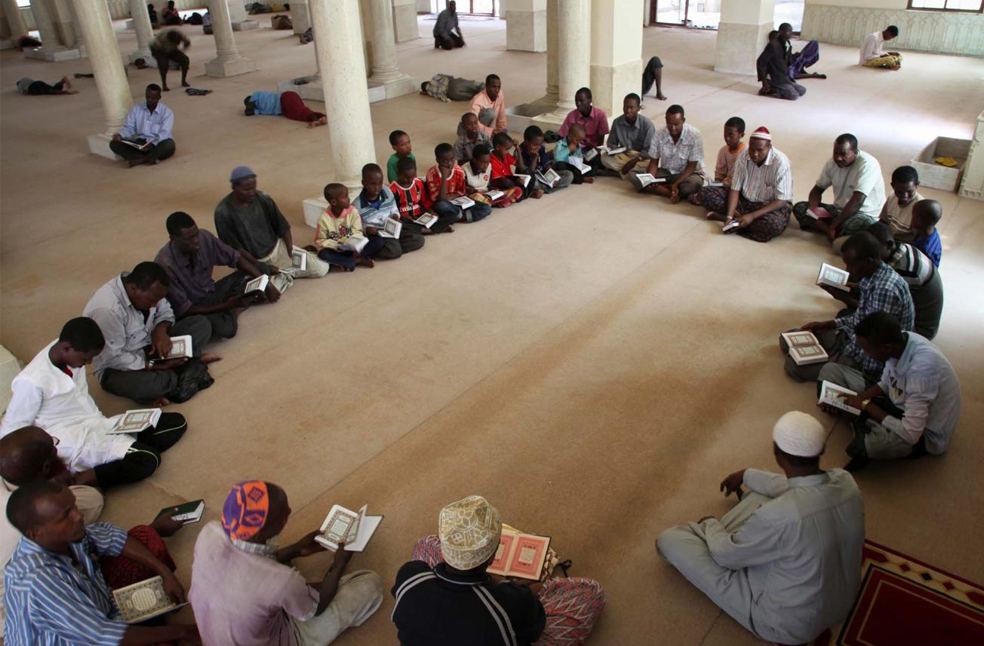
Geneva: March 15 is marked as the International Day to Combat Islamophobia, a global observance aimed at raising awareness about discrimination and hostility faced by Muslims and promoting respect for religious diversity and human rights.
Islamophobia, intolerance, and discrimination against Muslims have existed for many years, but have intensified in recent times. Factors such as the so-called ‘war on terror,’ economic insecurity, and increasing diversity in societies have contributed to the rise of anti-Muslim sentiment in several parts of the world.
Media narratives and political rhetoric have often fuelled fear and resentment by portraying Muslims as extremists or security threats. This has reinforced an ‘us versus them’ mentality and, combined with limited cultural understanding, has strengthened harmful stereotypes and prejudice.
Sunday is the International Day to Combat Islamophobia.
“Let’s re-commit to the equality, human rights & dignity of every person, no matter their faith,” @antonioguterres said, stressing the need to tackle hate speech and stand against discrimination.https://t.co/1Ycwy1TFUS pic.twitter.com/aqWkCTFmHG
— United Nations (@UN) March 15, 2026
Muslims face discrimination
Many Muslims face discrimination ranging from verbal and physical attacks and religious profiling to unequal access to employment, housing, healthcare, and education. In some cases, they also experience restrictions on publicly expressing their religious beliefs. Muslims may additionally face overlapping discrimination linked to ethnicity, socioeconomic status, citizenship, and gender.
According to the United Nations, Islamophobia contradicts the values and principles outlined in the UN Charter. António Guterres, the UN Secretary-General, has repeatedly condemned acts of anti-Muslim hatred and bigotry around the world, warning that the growing trend threatens not only Muslims but also the fundamental rights and freedoms of all communities.
Guterres has emphasised that tackling Islamophobia requires coordinated action. Governments are encouraged to promote social cohesion and protect religious freedom, while online platforms must strengthen efforts to address hate speech.
Individuals are also urged to actively challenge bigotry and xenophobia. In response to the increasing spread of hate speech globally, the UN Secretary-General launched the United Nations Strategy and Plan of Action on Hate Speech in 2019.
The #NoToHate campaign forms part of this initiative, promoting tolerance and inclusion while countering hate speech, racism, antisemitism, Islamophobia, and other forms of discrimination.
Anti-hate crime legislation
Many governments have also taken steps to address Islamophobia by introducing anti-hate crime legislation and measures aimed at preventing and prosecuting hate crimes. Public awareness campaigns have also been implemented to challenge misconceptions about Muslims and Islam.
In 2022, the United Nations General Assembly adopted a resolution sponsored by 60 member states of the Organisation of Islamic Cooperation (OIC) declaring March 15 as the International Day to Combat Islamophobia.
The resolution emphasised that terrorism and violent extremism should not be linked to any religion, nationality, civilisation, or ethnic group. It also called for global dialogue to promote a culture of tolerance and peace based on respect for human rights and religious diversity.
In 2024, the General Assembly adopted another resolution outlining measures to address Islamophobia. The document condemned incitement to discrimination, hostility, or violence against Muslims, including attacks, desecration of religious sites, negative stereotyping, and other acts of intolerance.
It called on member states to introduce legislative and policy measures to combat such hatred and to prohibit incitement to violence based on religion or belief. The resolution also requested the UN Secretary-General to appoint a United Nations Special Envoy to Combat Islamophobia.
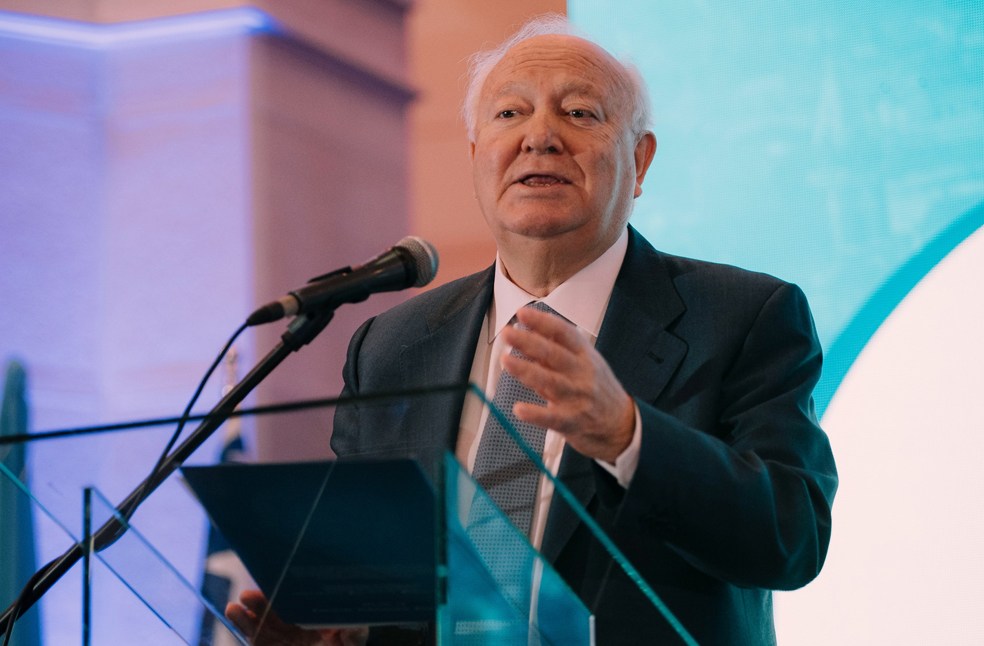
In May 2025, Guterres appointed Miguel Ángel Moratinos Cuyaubé of Spain as the UN Special Envoy to Combat Islamophobia. Moratinos continues to serve as High Representative of the United Nations Alliance of Civilizations (UNAOC) while leading this new mandate aimed at strengthening global efforts to counter Islamophobia.
Moratinos has emphasised that his role is not about defending a particular religion but about safeguarding the fundamental human right of every individual to practise their faith freely and without fear.
MOST READ | London reviews SUV charges over road safety concerns
