



Hanoi: Millions of voters across the country have taken part in the Vietnam election, selecting representatives for the National Assembly and local government councils.
The five yearly vote has involved between 73.5 million and 79 million eligible voters choosing 500 members of the National Assembly along with representatives for local councils. The process remains one of the few electoral activities in the one party political system that governs the Southeast Asian nation.
The Vietnam election has featured 864 parliamentary candidates, with nearly 93 percent belonging to the Communist Party of Vietnam. According to the national election council, only about 7.5 percent of candidates are independent figures, a decrease from about 8.5 percent during the previous election held in 2021.
The ruling party has maintained overwhelming political control in Vietnam for decades. Currently, the Communist Party holds around 97 percent of seats in the National Assembly. Although the parliament has limited authority to challenge the party’s key political decisions, the assembly has occasionally revised proposed legislation before approval.
Many voters have expressed optimism about the country’s development and ongoing economic reforms during the Vietnam election. The economy has experienced rapid growth while the government continues implementing major policy reforms under the leadership of Communist Party chief To Lam.
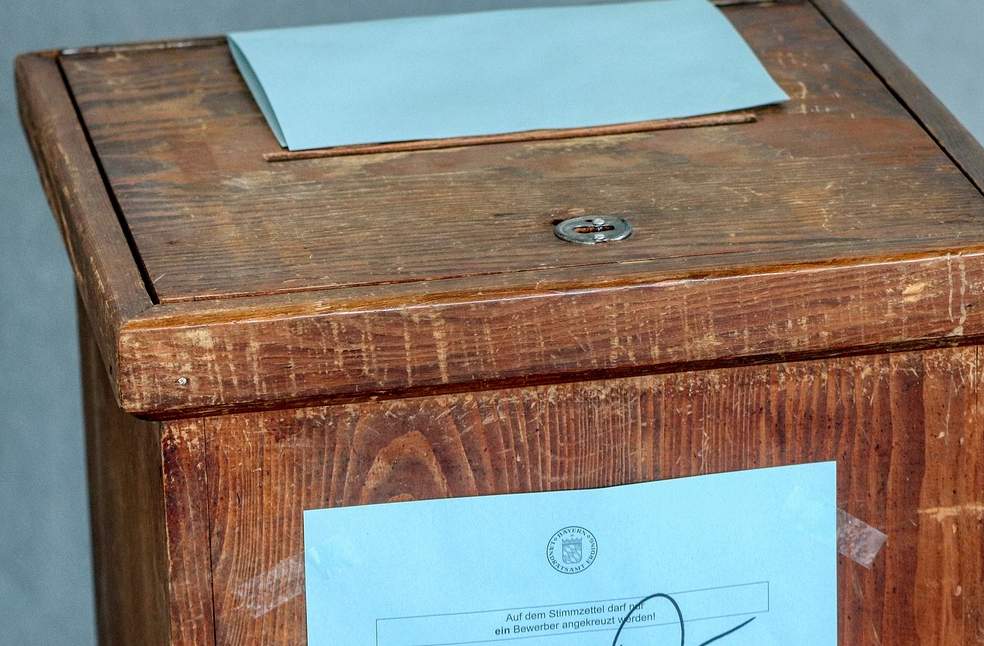
Election authorities have said the results of the Vietnam election will be announced on March 23. Turnout in recent parliamentary elections has consistently exceeded 99 percent, according to the country’s state news agency.
The new National Assembly is expected to hold its opening session in early April. During that meeting, lawmakers will approve the country’s senior state leadership positions that have already been nominated by the Communist Party.
Earlier this year the Communist Party confirmed To Lam as general secretary, the most powerful position in Vietnam’s political system. Party officials are also expected to nominate To Lam for the presidency.
If confirmed, the move would allow To Lam to hold both positions simultaneously for five years. Observers have noted that such a structure would make Vietnam’s leadership system more similar to that of China, where President Xi Jinping also occupies both roles.
Among the candidates in the Vietnam election are several prominent business leaders who are also members of the Communist Party, including Vietcombank chief Nguyen Thanh Tung and technology executive Le Hong Minh, chairman of the firm VNG which operates the popular messaging platform Zalo.
TRENDING | Pink Floyd guitar sells for record $14.6mn at auction
