


Kathmandu: Nepal goes to the polls as citizens across the Himalayan nation participate in a crucial parliamentary election following months of unrest and youth-led demonstrations.
The Nepal vote has drawn voters to thousands of polling stations across the country to choose a new parliament that will determine the country’s political direction.
The Nepal election has taken place nearly six months after large youth-led protests shook the country’s political system and forced the resignation of former prime minister K.P. Sharma Oli. The demonstrations, which erupted after a government decision to ban a social media platform, escalated into nationwide protests that resulted in the deaths of seventy seven people.
Polling stations have been set up in schools, temples and historic courtyards across the country. In Kathmandu, voters have gathered early in the morning to cast ballots despite cold weather conditions. According to the election commission, voting began at 7 a.m. local time and will continue until 5 p.m., with vote counting expected to begin soon after polls close.
Security authorities have deployed more than 300,000 personnel, including members of the military, to maintain order during the Nepal election. These forces have been stationed at more than 23,000 polling booths nationwide.
The country of around 30 million people has faced decades of political instability. Over the past 35 years, Nepal has witnessed 32 government changes, a situation that has slowed economic growth and contributed to unemployment and governance challenges.
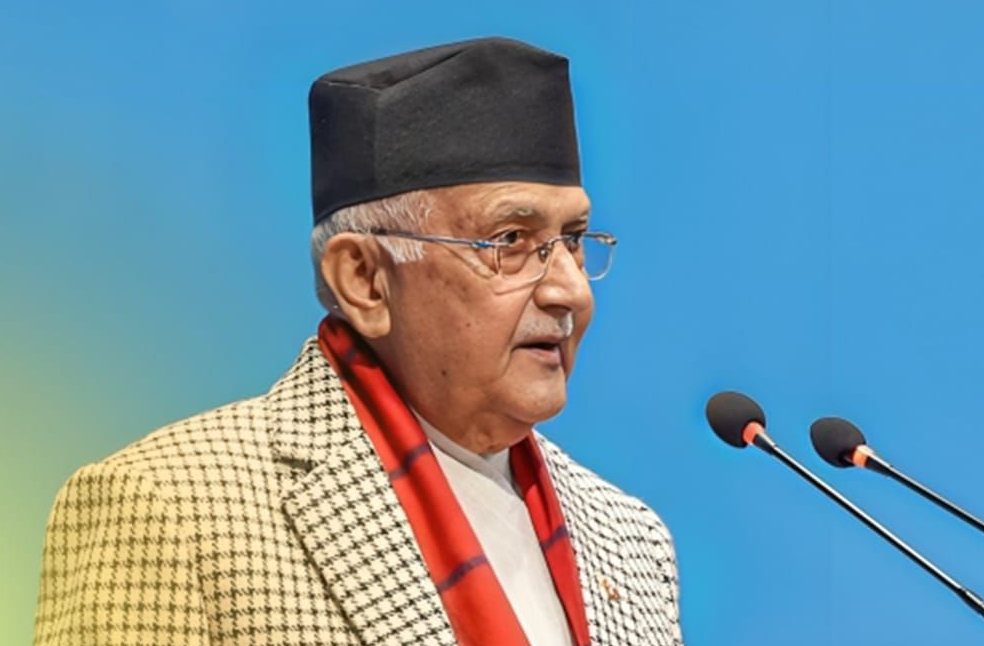
Among the key candidates is K.P. Sharma Oli, leader of the Communist Party of Nepal (Unified Marxist–Leninist). The Nepali Congress led by Gagan Thapa and the Nepali Communist Party, which includes former Maoist insurgents, are also major contenders.
A newer political force, the Rastriya Swatantra Party, has attracted attention during this election. The party has nominated Balendra Shah, a rapper turned politician, as its candidate for prime minister. The results of the Nepal election will indicate whether voters continue to support established political parties or shift toward newer movements promising change and reform.
TRENDING | Sara Duterte faces impeachment probe by lawmakers
