



London: Glucagon-like peptide-1 (GLP-1) receptor agonists, medications widely used to treat obesity and type 2 diabetes, may also help reduce the risk of addiction to alcohol, tobacco, and illicit drugs such as cannabis and cocaine.
The research published in the British Medical Journal further suggests these drugs could lower the chances of overdose, hospitalisation, and death among individuals already using addictive substances.
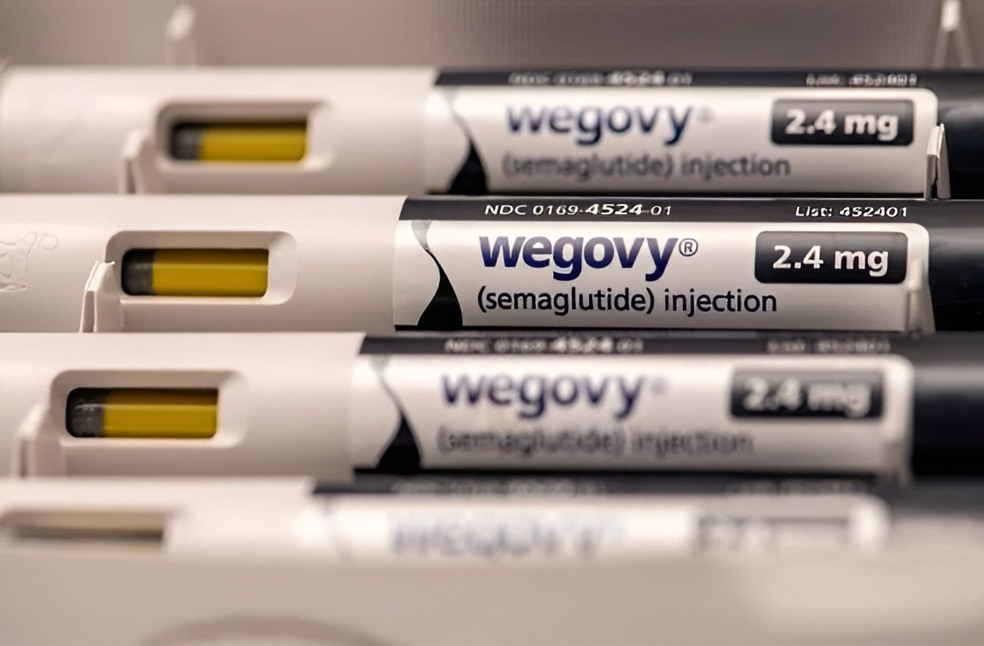
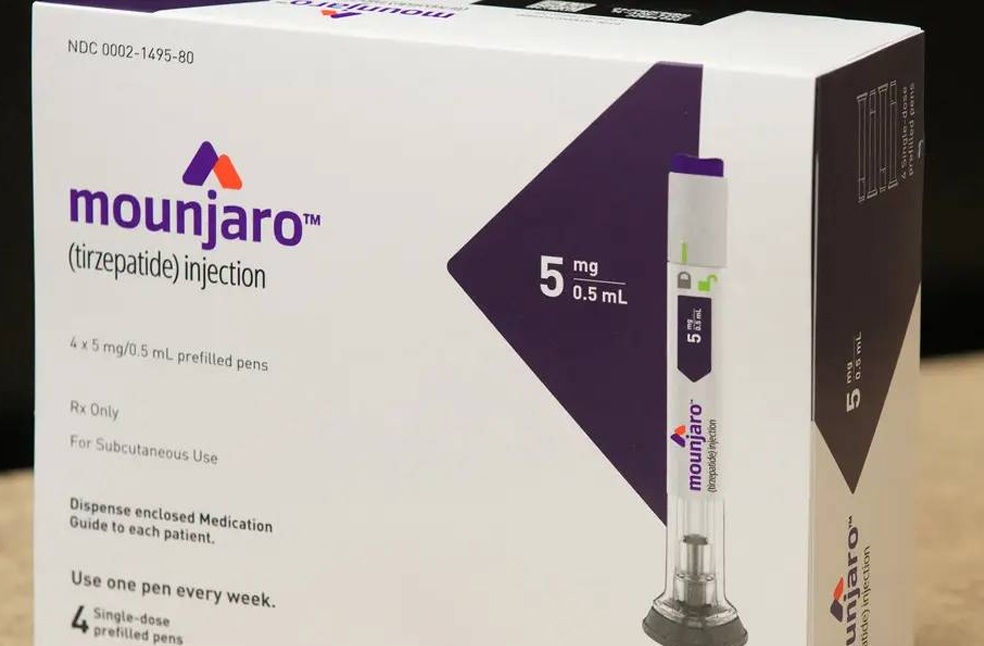
GLP-1 drugs, including brands such as Mounjaro and Ozempic, are designed to mimic a hormone released after eating, helping people feel fuller for longer. Scientists believe they may also act on the brain’s reward pathways, potentially reducing cravings associated with addictive behaviours.
The US study analysed medical data from 606,434 veterans with type 2 diabetes who were followed for up to three years. Researchers compared patients taking GLP-1 drugs with those prescribed sodium-glucose cotransporter-2 (SGLT-2) inhibitors, another class of diabetes medication.
Among individuals with no prior history of substance use, GLP-1 treatment was associated with an 18 percent lower risk of alcohol-related disorders. It also reduced the risk of cannabis use by 14 percent, cocaine by 20 percent, nicotine by 20 percent, and opioid use by 25 percent.
For patients already using substances, GLP-1 medications were linked to a 39 percent reduction in overdose risk, a 31 percent drop in emergency department visits, and a 50 percent lower risk of death.
Professor Claire Anderson, President of the Royal Pharmaceutical Society, said that the findings add to growing evidence examining whether GLP-1 medicines influence brain circuits involved in reward and addiction.
However, the President emphasised that the research was observational and does not prove that the drugs prevent or treat addiction. Anderson stressed that further studies, including clinical trials, are required to determine whether GLP-1 medicines have a direct therapeutic effect.

Gareth Jones, Director of Corporate Affairs at the National Pharmacy Association, described the research as significant and said weight-loss treatments may offer additional therapeutic benefits beyond managing obesity.
Jones noted that understanding of the long-term effects of GLP-1 drugs continues to develop, but evidence indicates they can positively impact a range of health outcomes for eligible patients. The Director also criticised the NHS rollout of the drugs for obese patients as ‘painfully slow,’ despite the growing burden of obesity.
In related research, a separate meta-analysis conducted by experts at the University of Cambridge and published in eClinicalMedicine found that most individuals who discontinue GLP-1 treatment regain around 60 percent of the weight they initially lost within one year, and up to 75 percent over time.
The authors noted that, on average, about 25 percent of the original weight loss is maintained in the long term. For someone who lost 20 percent of their body weight while on the medication, this would equate to sustaining roughly a 5 percent weight reduction.
Social stigma and usage
The analysis reviewed 48 previous studies and found that about half of GLP-1 users stop treatment within a year, rising to 75 percent after two years. Side effects such as nausea and the overall financial cost are considered key factors behind discontinuation.
Social stigma also appears to influence usage. A survey by Simple Online Pharmacy involving more than 3,000 GLP-1 users revealed that two-thirds had not disclosed their treatment to friends or family, fearing judgment and accusations of ‘cheating.’
Around 38 percent reported facing criticism; among them, 79 percent were accused of taking ‘the easy way out,’ while 68 percent were told to ‘just eat less and move more.’
ALSO READ | Victoria to enshrine Right to Work from Home in law
