



London: More than a quarter of the healthy years lost to breast cancer worldwide are linked to lifestyle-related risk factors such as high red meat consumption and smoking, according to the largest global study of its kind.
Published in The Lancet Oncology, the research used data from population-based cancer registries to deliver a comprehensive analysis of breast cancer incidence, mortality, and risk factors.
The study examined figures spanning 1990 to 2023 from more than 200 countries and territories, and also generated projections for trends through to 2050. In the UK, approximately one in seven women is expected to develop breast cancer during her lifetime.
The analysis, conducted by the Global Burden of Disease Study Breast Cancer Collaborators, predicts that new breast cancer cases among women globally will increase by about one-third, from 2.3 million cases in 2023 to more than 3.5 million by 2050.
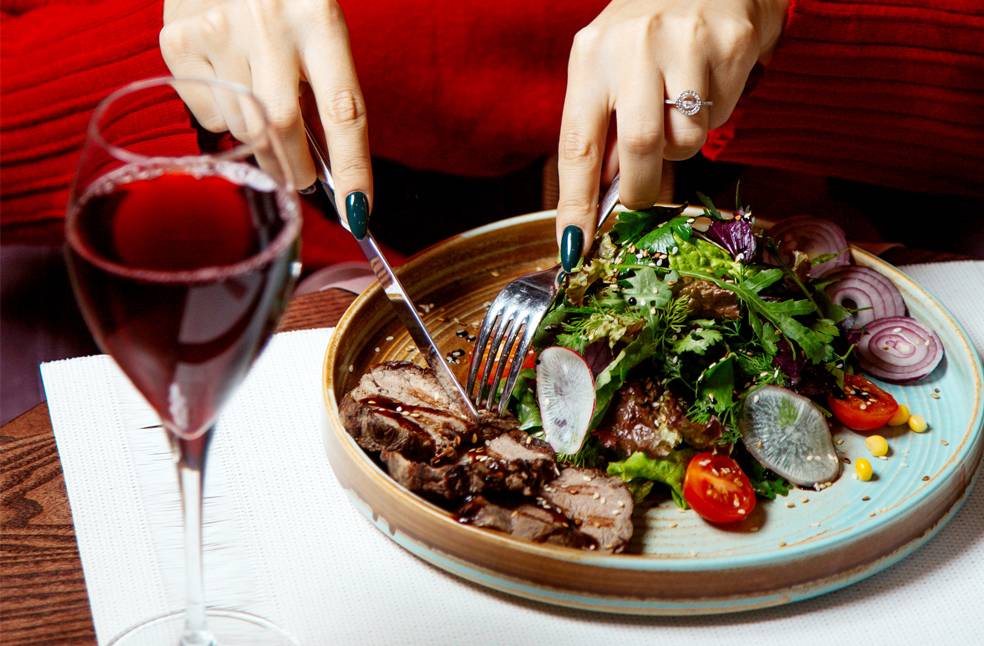
The findings indicate that maintaining a healthy lifestyle, including avoiding smoking, engaging in sufficient physical activity, reducing red meat consumption, and maintaining a healthy body mass index (BMI), could prevent more than a quarter of the healthy years lost to illness, disability, and premature death due to breast cancer worldwide.
These results build on previous research by Cancer Research UK, which found that more than four in 10 cancer cases in the UK were preventable through lifestyle modifications.
Kayleigh Bhangdia, lead author of the study from the Institute for Health Metrics and Evaluation (IHME) at the University of Washington, said breast cancer continues to have a profound impact on women and communities worldwide.
Bhangdia noted that while women in high-income countries typically benefit from screening programmes, earlier diagnosis and comprehensive treatment strategies, the increasing burden of breast cancer is shifting towards low- and lower-middle-income countries.
In these regions, patients often face later-stage diagnoses, limited access to quality care, and higher mortality rates, threatening to overshadow progress made in women’s health.
The study found that in 2023, women aged 55 and older were diagnosed with breast cancer at three times the rate of women aged 20 to 54, 161 cases per 100,000 women compared with 50 per 100,000.
However, incidence rates among younger women aged 20 to 54 have risen by nearly 29 percent since 1990, while rates among older women have remained largely unchanged.
Globally in 2023, 28 percent of the total breast cancer burden, equivalent to 6.8 million years of healthy life lost due to disability, illness, and early death, was attributed to six potentially modifiable risk factors.
High red meat consumption had the largest impact, accounting for nearly 11 percent of all healthy life lost. Tobacco use, including exposure to secondhand smoke, contributed 8 percent, followed by high blood sugar (6 percent), high BMI (4 percent), and both high alcohol consumption and low physical activity at 2 percent each.
Claire Rowney, Chief Executive of Breast Cancer Now, described the findings as a stark reminder of the continued toll of breast cancer globally. The Chief reiterated the organisation’s ambition that by 2050, everyone diagnosed with breast cancer will live and live well.
Rowney emphasised the importance of accelerating progress through global collaboration among researchers and funders to ensure that every woman, regardless of where she lives, has access to early diagnosis, effective treatment, and essential support.
Sophie Brooks, health information manager at Cancer Research UK, said that the figures underscore the significant global impact of breast cancer and stressed that prevention remains critical. Brooks highlighted that a substantial proportion of cases worldwide are linked to preventable factors such as smoking, overweight and obesity, and alcohol consumption.
RELATED POST | Study: Vegetarian diet linked to lower risk of five cancers
