


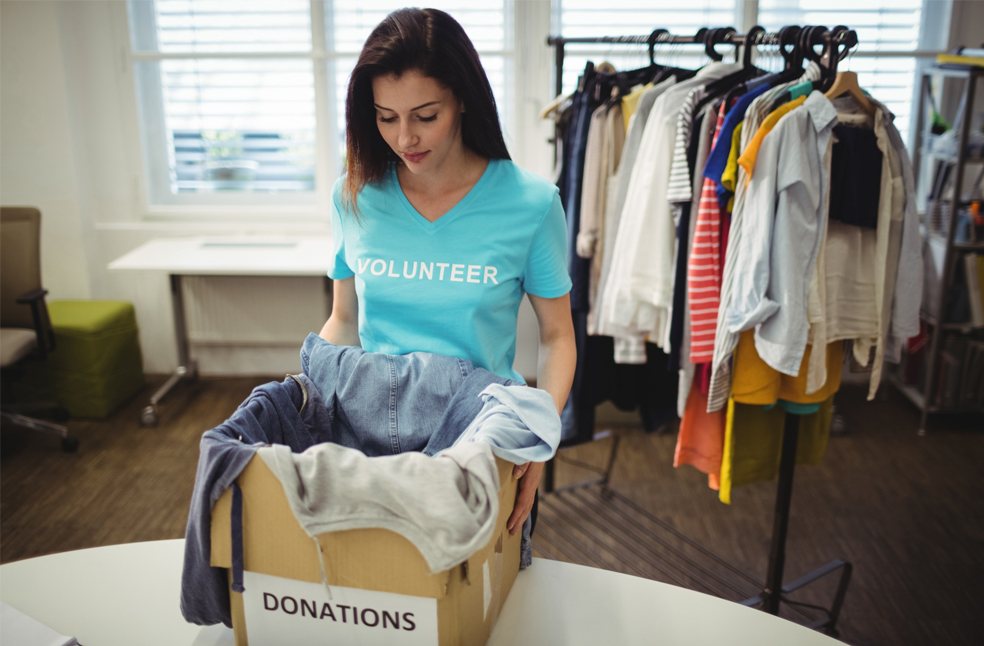
London: Young shoppers inspired by resale platforms such as Vinted and Depop are driving renewed success for charity shops, helping them remain resilient despite mounting pressures from higher energy bills, rent, and employment costs.
Retail sales at Save the Children rose by 3 percent last year. The growth was boosted by a strong December performance, when sales climbed 11 percent compared with the same month a year earlier, generating more than £1 million for the charity’s causes. Ian Matthews, Director of retail and communities, described a ‘big spike’ in sales, with momentum remaining solid into January.
The charity outperformed the wider sector. Data from the Charity Retail Association (CRA) showed average charity shop sales increased by 1.4 percent last year. This was ahead of the broader retail market, where non-food sales rose by 1.1 percent, according to the British Retail Consortium.
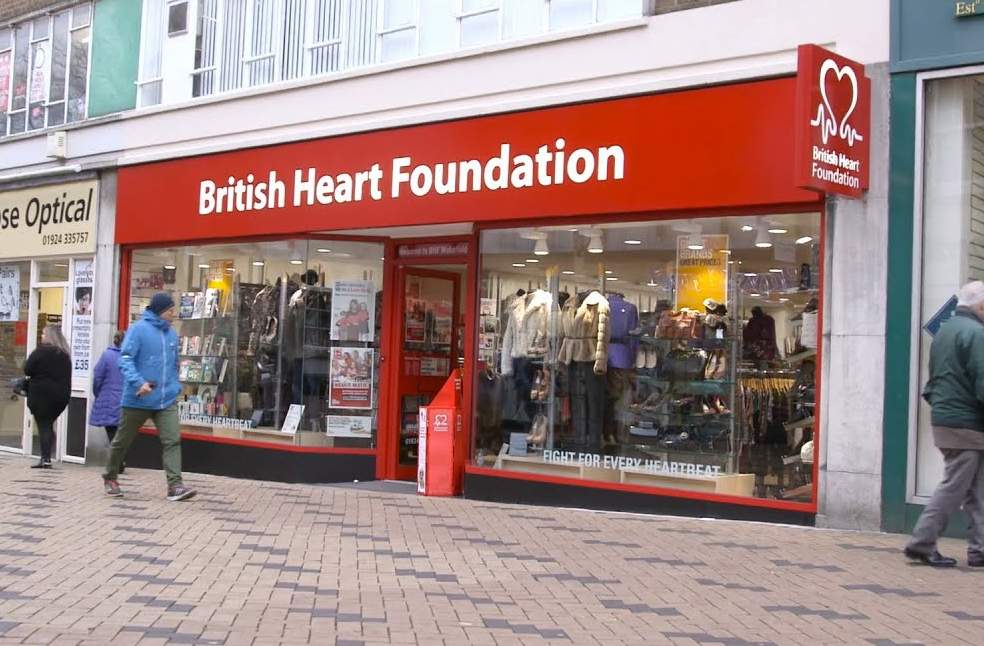
Allison Swaine-Hughes, chief commercial officer at the British Heart Foundation, one of the UK’s largest charity shops, said that platforms such as eBay, Vinted, and Depop have increased interest in secondhand shopping, benefiting the entire reuse sector.

As the biggest eBay charity seller and a top-rated Depop seller, the foundation has experienced strong demand for quality preloved items. Hughes noted that transactions across its physical shops have risen year on year, demonstrating sustained demand throughout its wider estate.
National Insurance and Minimum Wage
Despite stronger sales, profitability remains challenging. Robin Osterley, Chief Executive of the CRA, stated that increases in employer national insurance contributions and the minimum wage have “put a big squeeze on profitability” for some charities.
The total number of charity shops across the UK fell by nearly 80 last year to 4,304. Rising inflation in rent, utilities, and wages, combined with the impact of fast fashion on the quality of donated goods, contributed to the decline. Some major charities have shut outlets, including Scope, which is cutting 77 of its 138 stores by the end of next month.
However, Osterley added that the sector’s overall narrative was one of “change and consolidation rather than disaster.’ While store numbers declined, the total retail space occupied by charities increased by almost 6 percent, as many organisations moved towards larger premises offering greater product variety.
Online sales also surged as charities broadened their customer base. In addition, many have introduced new ways to clear less sought-after stock, including specialist clearance websites and discount rails with items priced at £1 or less.
‘Save the Children’ has also benefited from a growing and increasingly youthful volunteer base. Last year, 42 percent of new charity shop volunteers were aged between 18 and 24, up from 28 percent in 2021. Over the past five years, the average age of volunteers has fallen by 14 years to 28.
The rise in volunteers has allowed the charity to process more stock and tailor product displays to different communities, for example, highlighting vintage clothing in urban stores near universities. Matthews said there has been a noticeable increase in younger people engaging with shops, both as customers and volunteers.
Although resale platforms have intensified competition for high-quality donations, as some individuals choose to sell items online rather than donate them, Matthews emphasised that the public remains generous with both their time and their contributions.
The Director of retail added that the expanding secondhand market is pushing charities to innovate, noting that younger consumers are increasingly motivated by sustainability and more conscientious spending habits.
MOST READ | Study: Vegetarian diet linked to lower risk of five cancers
