


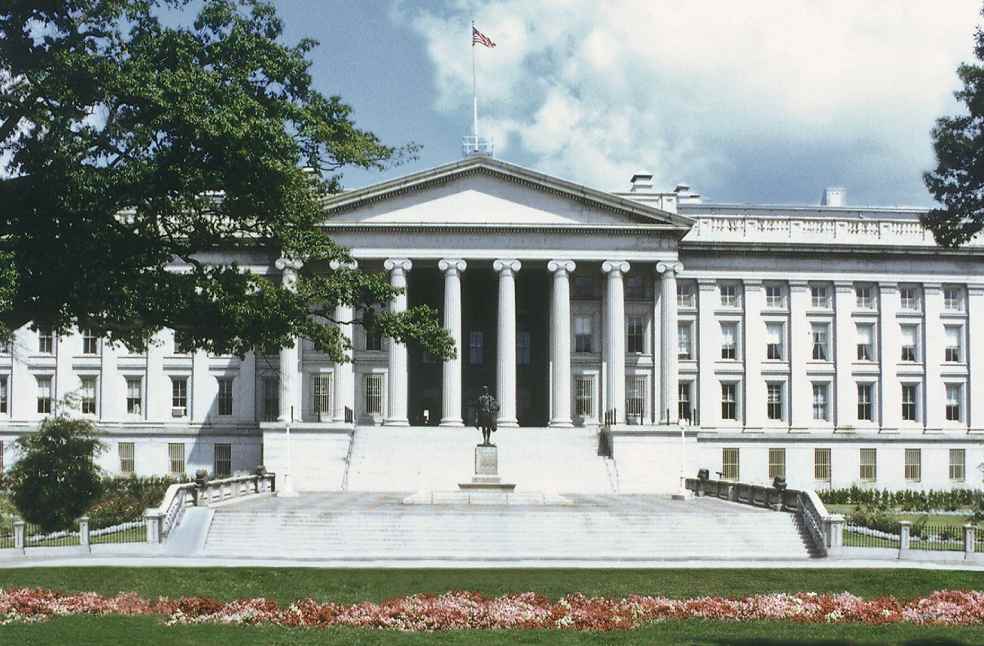
Cuba: The US Department of the Treasury has announced it will allow the resale of certain Venezuelan oil shipments to Cuba, a move aimed at easing the island’s deepening fuel shortages as regional leaders warn of a mounting humanitarian emergency.
The Treasury said companies could seek licences to resell Venezuelan crude for commercial and humanitarian use in Cuba under a new favourable policy. However, the authorisation excludes any transactions involving Cuban military, intelligence services, or government institutions.
Energy lifeline disrupted
For more than two decades, Venezuela served as Cuba’s primary oil supplier through a barter arrangement, exchanging fuel for Cuban medical and professional services. That supply collapsed after Washington tightened control over Venezuelan oil exports following actions against President Nicolás Maduro.
We must speak plainly about what is happening in Cuba.
Cuba is our Caribbean neighbour. Their doctors and teachers have supported countries across our region, including Jamaica. Our histories are connected, and we care deeply about the Cuban people.
Today, many Cubans are… pic.twitter.com/vGP1KIiIaq
— Andrew Holness (@AndrewHolnessJM) February 25, 2026
Mexico, which had briefly filled the gap, also halted shipments after facing threats of US tariffs, further intensifying Cuba’s energy crunch. The shortages have crippled electricity generation, transportation, and aviation across the island of nearly 11 million people.
Caribbean leaders warn of regional fallout
Concern over the crisis dominated discussions at a Caribbean summit hosted in Saint Kitts and Nevis. Leaders from the Caribbean Community (CARICOM) warned that instability in Cuba could ripple across the region.
Andrew Holness, Prime Minister of Jamaica, stressed solidarity with Havana, cautioning that humanitarian suffering serves no one and that a prolonged crisis would not remain confined to Cuba.
Summit host Terrance Drew described reports of food shortages and deteriorating living conditions, warning that a destabilised Cuba would affect neighbouring states.
Washington blames Havana’s policies
Addressing the gathering, US Secretary of State Marco Rubio argued that Cuba’s economic collapse stems from domestic policies rather than US sanctions. He said restrictions would be reimposed if oil supplies benefited the Cuban government or military.
Rubio urged sweeping reforms, blaming economic mismanagement and the absence of a robust private sector for the crisis. Cuba has been under communist rule since the 1959 revolution led by Fidel Castro.
Aid efforts and rising tensions
With fuel shipments stalled since December, Cuba has struggled to maintain power supplies. Several countries, including Mexico and Canada, have pledged humanitarian assistance, while Russia is considering fuel deliveries, according to Deputy Prime Minister Alexander Novak.
Separately, Cuban authorities reported a deadly maritime incident involving a Florida-registered speedboat that entered Cuban waters, leaving four people dead and six injured. US officials said no American personnel were involved.
The limited easing of oil restrictions could provide short-term relief, but analysts say Cuba’s broader economic and energy challenges remain unresolved. Regional leaders continue to warn that prolonged instability on the island could trigger migration pressures and economic disruptions across the Caribbean.
MOST READ | Qantas unveils biggest frequent flyer overhaul to boost loyalty
