



London: Almost half of people across the UK are delaying or avoiding contacting their GP when they fall ill because they believe getting an appointment will be too difficult, a major survey has found.
Overall, 48 percent of respondents said that they did not seek help from their family doctor over the past year, either initially or at all, when they became unwell. Just over a quarter (27 percent) chose to manage their illness themselves or waited for it to resolve naturally, despite concerns among doctors that avoiding GP care could seriously harm patients’ health.
The findings underline widespread public anxiety about access to key NHS services, including A&E departments, GP appointments, hospital treatment, and ambulance services when calling 999.
The results come from a representative survey of 2,214 adults conducted in December by Ipsos for the Health Foundation. Three in 10 respondents stated that they did not expect to be offered a GP appointment at a suitable time, while 17 percent believed that simply contacting their practice would be difficult.
Prof Victoria Tzortziou Brown, chair of the Royal College of GPs, noted that general practice serves as the ‘front door’ to the health service and stressed that all patients should be able to see their GP when needed.
Separate polling carried out last month by Savanta for the Liberal Democrats found that a third of Britons had chosen not to attend A&E in the past two years despite needing treatment, as they expected long waiting times before being seen.
Helen Maguire, the Liberal Democrats’ health spokesperson, stated that patients deserve far better. Maguire described it as heartbreaking to think of elderly people or parents with sick children remaining at home in pain because they have lost confidence that the system will support them.
The Health Foundation noted that the survey should ‘ring alarm bells’ over the government’s plan to shift more healthcare from hospitals into community settings, one of the ‘three big shifts’ outlined in its 10-year strategy to transform the NHS in England.
It warned that persistent public concerns about general practice and A&E, often described as the NHS’s ‘front doors,’ suggest policymakers may need to reconsider their priorities.
The Ipsos survey also revealed deep pessimism about the state of the NHS:
- Faster access to GP appointments and A&E services are the public’s top priorities.
- Only 32 percent believe the NHS currently provides a good service nationally.
- 42 percent think the standard of care has worsened over the past year, while just 12 percent believe it has improved.
- 47 percent fear NHS care will decline further over the next year, compared with only 15 percent who expect improvement.
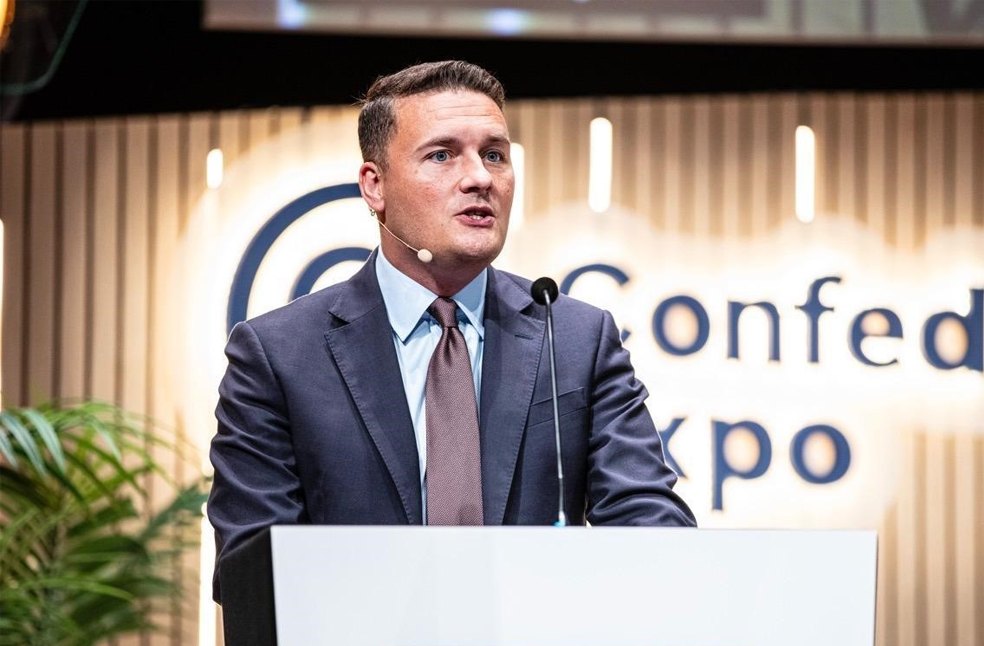
The findings are likely to concern Health Secretary Wes Streeting and his counterparts in Edinburgh and Cardiff, particularly as only 15 percent of the public believe their national government is pursuing the right policies to restore the health service, while 54 percent disagree.
GP contract 2025–26
The results emerged as Streeting published a new GP contract setting out the services family doctors in England must provide during 2025–26. The contract requires GP practices to see all patients with urgent medical needs on the same day they make contact. It also reallocates £300 million in funding to enable surgeries to recruit 1,600 additional doctors.
However, Dr. Katie Bramall, Chair of the British Medical Association’s GP committee, highlighted that the GPs would be concerned about raising unrealistic expectations of unlimited same-day urgent care while potentially facing new barriers around specialist referrals, all while trying to keep practices open and prevent further surgery closures.
Bramall also criticised Streeting for not negotiating the contract directly with the BMA, as had been customary for many years. Instead, the health secretary consulted a range of GP and patient organisations after disagreements with the BMA over proposals to expand online access to GPs during working hours.
ALSO READ | Trump Organization plans 335m skyscraper in Australia
