



Southampton: A newly developed medical tampon could help detect the earliest signs of ovarian cancer, with researchers in Southampton preparing to begin a clinical trial of the device.
The tampon works by identifying biological signals in vaginal fluid that may indicate the presence of cancer. Scientists hope it could offer a breakthrough in early detection, particularly as there is currently no national screening programme for ovarian cancer.
Around 7,600 new cases of ovarian cancer are diagnosed in the UK each year, and many are identified only once the disease has reached an advanced stage. The new study, called Violet, will recruit approximately 250 women.
Participants will include patients who have already been diagnosed with ovarian cancer and are due to have their ovaries removed, as well as women with the BRCA gene mutation who have chosen risk-reducing surgery.
According to Cancer Research UK, people with BRCA mutations face a significantly increased risk of developing several cancers, including breast, ovarian, pancreatic, and prostate cancer.
Dr. Jemma Longley, consultant medical oncologist at University Hospital Southampton and chief investigator of the Violet trial, said the lack of a screening programme leaves women with genetic risk factors facing difficult decisions.
Those with recognised mutations such as BRCA may opt to have their ovaries and fallopian tubes surgically removed to lower their cancer risk. However, this procedure can trigger surgical menopause in younger women and lead to significant long-term health effects.
Mr David Constable-Phelps, consultant gynaecological oncology surgeon and co-investigator in the study, said that if the tampon proves effective, it could be a ‘complete game-changer’ for women with ovarian cancer.
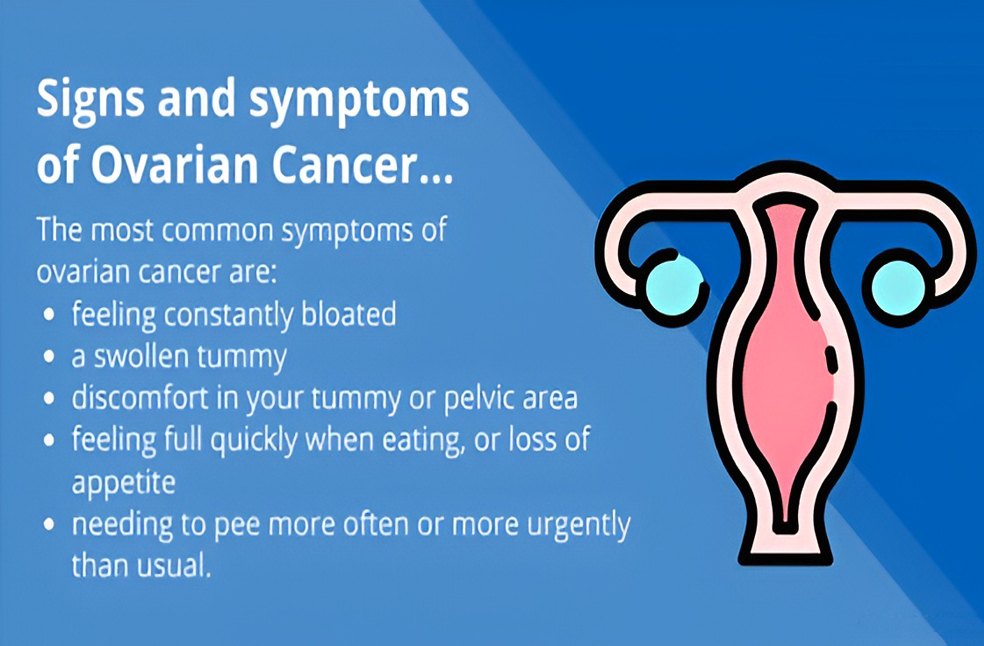
Phelps explained that the disease often presents with non-specific symptoms in both its early and later stages, meaning tumours can spread silently to other organs before being detected.
Researchers are optimistic that the trial will uncover meaningful biological signals in the vaginal fluid of women with early-stage tumours, potentially improving cure rates through earlier diagnosis.
Constable-Phelps added that the study could also pave the way for further translational research, helping scientists better understand the biology of ovarian cancers.
The diagnostic tampon was developed by the biotechnology company Daye. If the Violet trial delivers promising results, researchers hope to move forward with a larger follow-up study.
MOST READ | Avatar moth wins New Zealand ‘Bug of the Year’
