


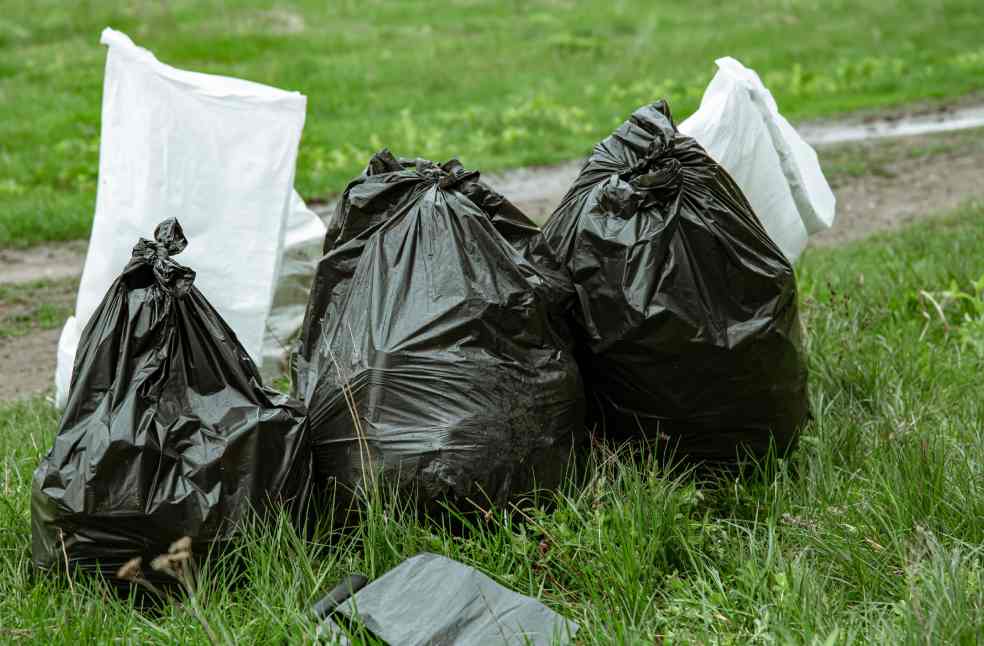
Havana: A deepening fuel crisis in Cuba has spiralled into a sanitation and public health emergency, with garbage piling up across the capital Havana and other towns as collection trucks run out of fuel.
Only 44 of the city’s 106 rubbish trucks remain operational, drastically slowing waste collection and leaving refuse stacked on street corners. The uncollected trash has begun attracting pests and producing foul odours, raising fears of disease outbreaks and environmental hazards.
Residents say the situation has worsened rapidly, with some neighbourhoods going more than 10 days without a garbage pickup. Waste heaps now line pavements and roads, forcing pedestrians and motorists to navigate around them.
Public health risks mount
Health concerns are growing as decomposing waste accumulates in densely populated areas. Experts warn that such conditions can accelerate the spread of mosquito-borne and water-borne diseases, especially in tropical climates. Similar past crises in the city have been linked to increases in illnesses such as dengue and leptospirosis due to rats, flies and stagnant waste.
Across the island, fuel shortages have already disrupted hospitals, transport systems and food distribution, compounding humanitarian pressures on the population.
Fuel blockade blamed for collapse of services
The Cuban government attributes the crisis to tightened US restrictions that have choked off oil imports, particularly shipments previously supplied by Venezuela. The loss of fuel has paralysed essential services ranging from public transport to electricity generation and waste management.
Washington has recently intensified pressure by threatening sanctions on countries supplying oil to Cuba, further isolating the island’s energy lifelines.
International aid and diplomatic tensions
Along with the worsening situation, humanitarian assistance has begun arriving from some countries. Mexico has sent naval shipments carrying aid supplies, while Spain has announced plans to channel assistance through international agencies following talks between foreign ministers in Madrid.
Cuban officials have condemned US actions as violations of international law and called for global support, while diplomatic tensions between the two countries continue to escalate.
Crisis adds to broader economic hardship
The waste emergency underscores the wider collapse of infrastructure triggered by the fuel shortage. Garbage accumulation, blackouts, transport shutdowns and shortages of basic goods have become daily realities for millions of Cubans, intensifying an already severe economic crisis.
With no immediate solution in sight, residents fear that the sanitation breakdown could soon evolve into a full-scale public health disaster if fuel supplies and waste collection services are not restored.
TOP PICKS | Mass shooting at high school hockey game in Pawtucket leaves 2 dead
