


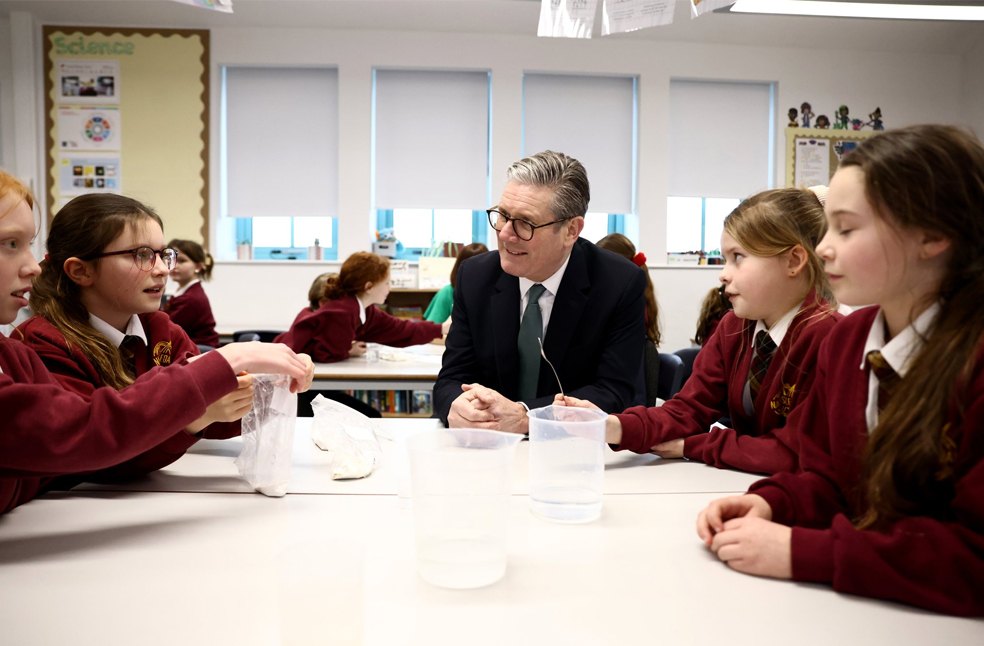
London: Developers of artificial intelligence chatbots that put children at risk could face massive fines or even be blocked from operating in Britain under legislative changes to be unveiled by Prime Minister Keir Starmer.
The move follows public outrage last month after Elon Musk’s X platform was forced to halt its Grok AI tool from generating sexualised images of real people in the UK. Ministers say they are preparing a ‘crackdown on vile illegal content created by AI,’ using the controversy to justify urgent reforms.
With growing numbers of children turning to AI chatbots for homework support and even mental health advice, the government noted that it would ‘move fast to shut a legal loophole’ and compel all AI chatbot providers to comply with illegal content duties under the Online Safety Act or face legal consequences.
No social media platform should get a free pass when it comes to protecting our kids.
That's why I'm taking action.
— Keir Starmer (@Keir_Starmer) February 15, 2026
Starmer is also expected to fast-track potential new limits on children’s social media use, pending parliamentary approval following a public consultation into a possible ban for under-16s.
Proposed changes could include measures such as restricting infinite scrolling. If agreed by MPs, new rules could come into force as early as this summer.
However, the Conservative Party criticised the government’s announcement. Laura Trott, the shadow Education Secretary, dismissed claims of immediate action as ‘smoke and mirrors.’ Trott added that Labour had repeatedly stated it held no fixed position on preventing under-16s from accessing social media, adding that she believes such access should be stopped.
The reforms come after Ofcom acknowledged it lacked authority to act against Grok in certain circumstances. Under current legislation, AI-generated images and videos created without the chatbots searching the internet fall outside regulatory scope unless they constitute pornography.
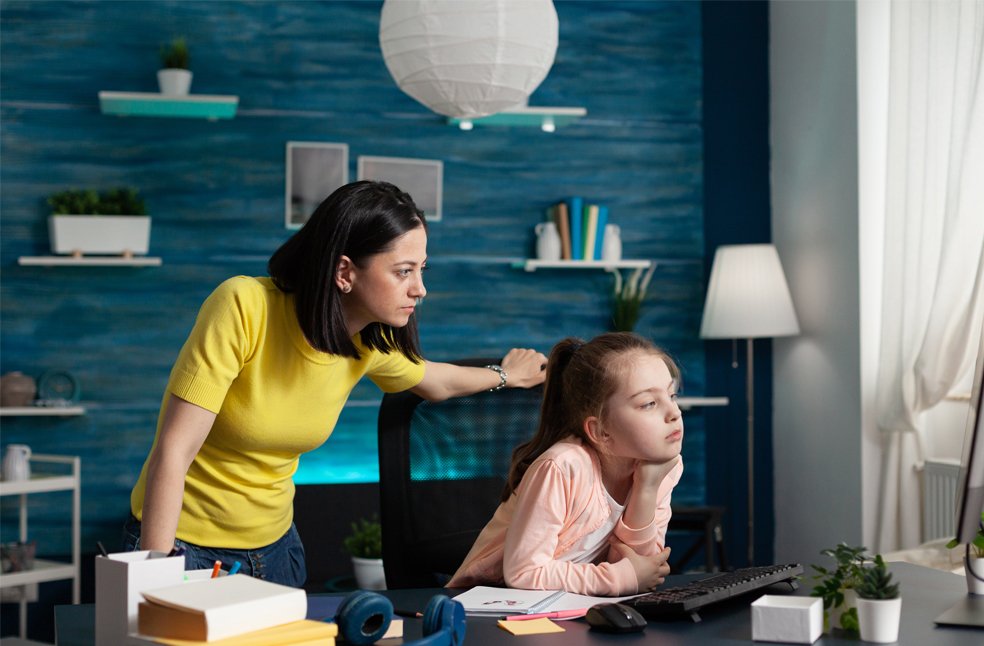
The proposed changes aim to bring AI chatbots fully within the Online Safety Act, a loophole that has existed for more than two years.
Starmer noted that the rapid technological advances require laws to evolve at the same pace. The PM argued that action against Grok demonstrated that no platform receives special treatment and added that the government is now closing gaps that place children at risk while preparing the ground for further safeguards.
Under the Online Safety Act, companies that breach regulations can face fines of up to 10 percent of their global revenue. Regulators may also seek court orders to block access to their services within the UK.
At present, AI chatbots are already covered by the law if they function as search engines, generate pornography, or operate in user-to-user environments. However, they can still be used to create material that promotes self-harm, suicide, or even child sexual abuse content without breaching the act, an issue ministers say they intend to address.
Chris Sherwood, Chief Executive of the NSPCC, stated that young people have contacted the charity’s helpline, reporting harm linked to AI chatbots and expressed concern that tech companies cannot be relied upon to ensure safe design.
Meanwhile, OpenAI, the $500bn San Francisco-based company behind ChatGPT, one of the UK’s most widely used chatbots, and xAI, which develops Grok, were approached for comment.
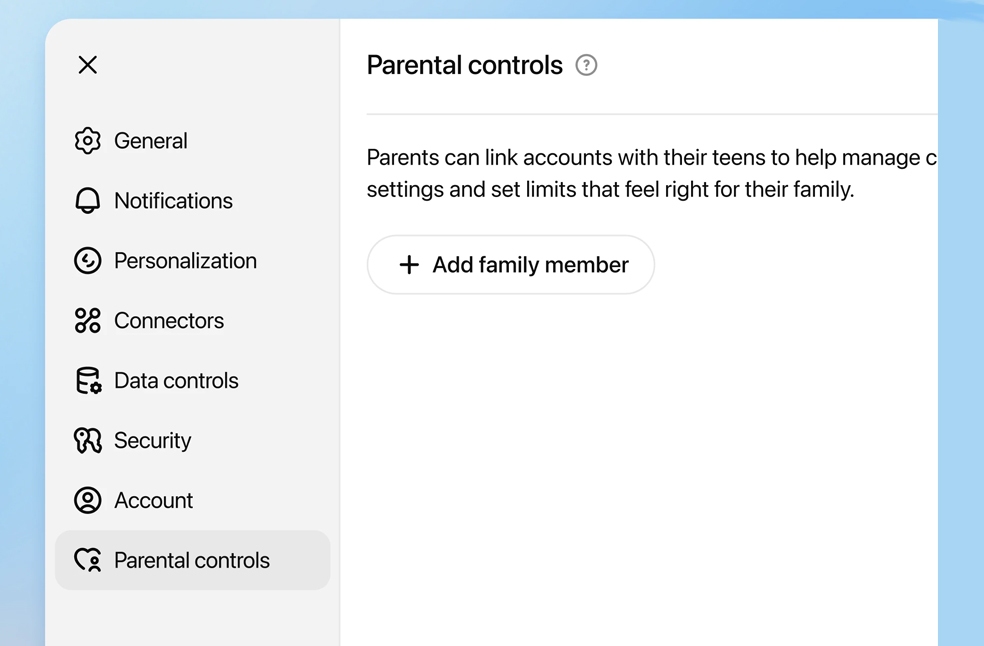
OpenAI has recently introduced parental control features and is deploying age-estimation technology after the death of Californian teenager Adam Raine. The 16-year-old took his own life, and his family alleges he experienced “months of encouragement from ChatGPT” before his death.
The government also plans to consult on requiring social media platforms to implement technical measures that prevent users from sending or receiving nude images of children, a practice that is already illegal in the UK.
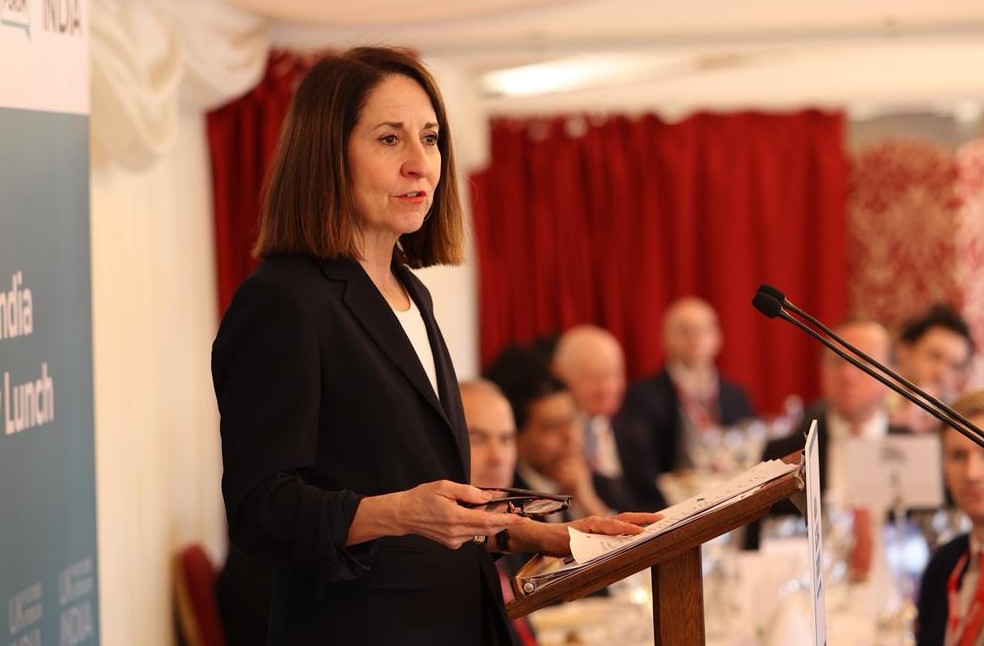
Technology Secretary Liz Kendall remarked that ministers would not delay action, pledging to tighten AI chatbot rules while preparing to act swiftly once the consultation on youth social media use concludes.
The Molly Rose Foundation, established by the father of 14-year-old Molly Russell following her death after viewing harmful online content, described the proposals as ‘a welcome downpayment.’
However, it urged the Prime Minister to commit to introducing a strengthened Online Safety Act that makes product safety and children’s wellbeing central to doing business in the UK.
As the government moves to close longstanding legal gaps, the debate over AI regulation and children’s online safety is set to intensify in the weeks ahead.
ALSO READ | Yuko Yamaguchi to leave Hello Kitty role after 46 years
