


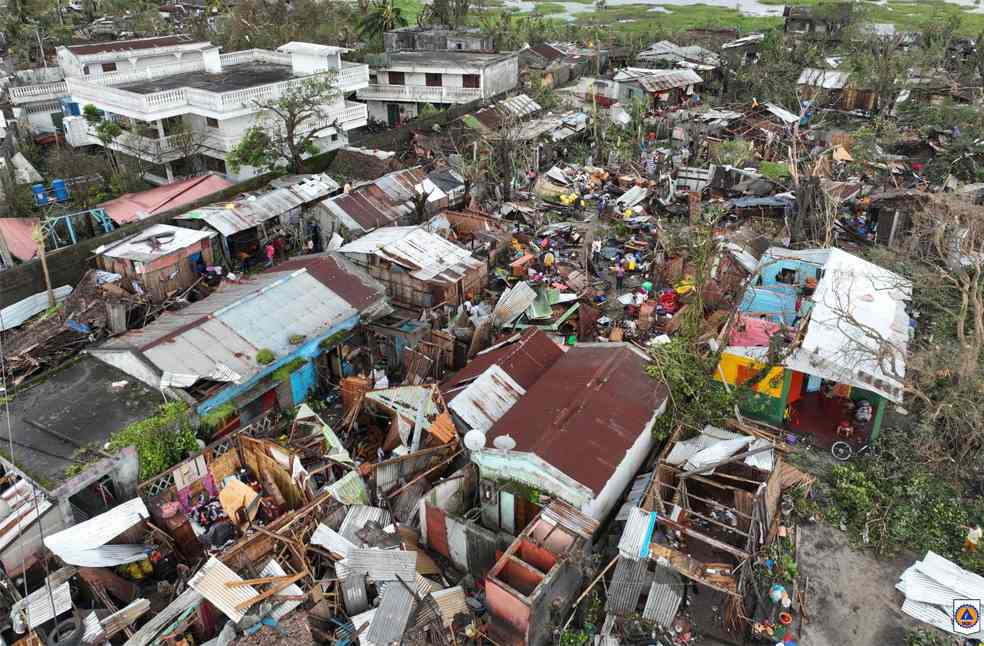
Toamasina: Madagascar is grappling with hurricane-force winds and heavy rains as Cyclone Gezani sweeps across the island, leaving widespread destruction in its wake. Residents report extensive damage to homes and infrastructure, while authorities warn of severe flooding and landslides.
At 1am local time on February 11 (22:00 GMT), Meteo Madagascar issued an update stating that “widespread flooding, flash floods, and landslides are highly likely” as the cyclone moves from the eastern coast toward the country’s central highlands overnight and throughout Wednesday.
Red alerts for imminent danger have been issued for the northeast regions of Analanjirofo, Atsinanana, Alaotra Mangoro, Analamanga, and Betsiboka, according to Meteo Madagascar’s website. Residents described catastrophic impacts. In the port city of Toamasina, floodwaters, electricity outages, and structural damage to homes have been reported.
Electricity was cut off for hours, leaving communities in the dark. In response, Colonel Michael Randrianirina, who has led Madagascar since an October military coup, said that he would travel to Toamasina after the cyclone passes to be closer to affected residents.
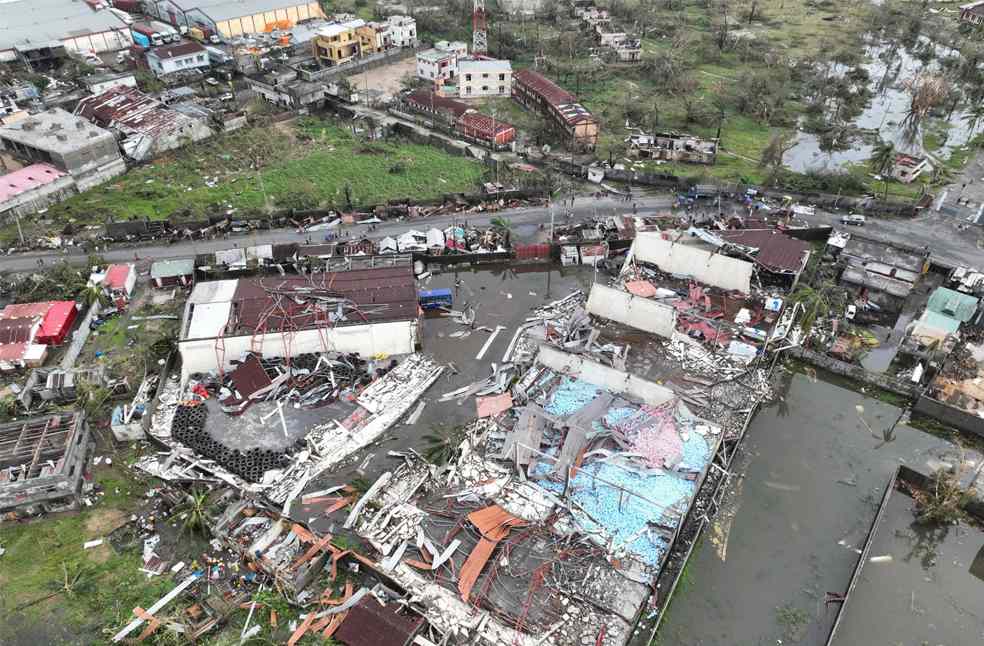
The CMRS cyclone forecaster on Reunion Island confirmed that Toamasina was “directly hit by the most intense part” of Gezani. Experts say the cyclone’s landfall may be among the strongest recorded in the region during the satellite era, comparable to Cyclone Geralda in February 1994, which killed at least 200 people and affected half a million.
Although Gezani weakened to a tropical storm while moving inland, it is expected to regain cyclone strength as it moves across the Mozambique Channel, between Maintirano and Morondava, on its way to mainland Africa.
Cyclone Gezani struck Madagascar less than two weeks after Tropical Cyclone Fytia hit the northwest on January 31. Fytia killed at least 12 people, displaced 31,000, flooded or damaged 18,600 homes, destroyed 493 classrooms and 20 health facilities, and caused extensive losses to rice fields. Drinking water supplies were also affected, creating public health risks.
The ongoing storms highlight the increasing risk island nations face from climate change, which contributes to more intense tropical cyclones, heavier rainfall, and rising sea levels. Malagasy authorities and meteorologists are urging residents to take precautions as the cyclone continues its path.
MOST READ | Fuel crisis forces Canadian airlines to halt Cuba services
