


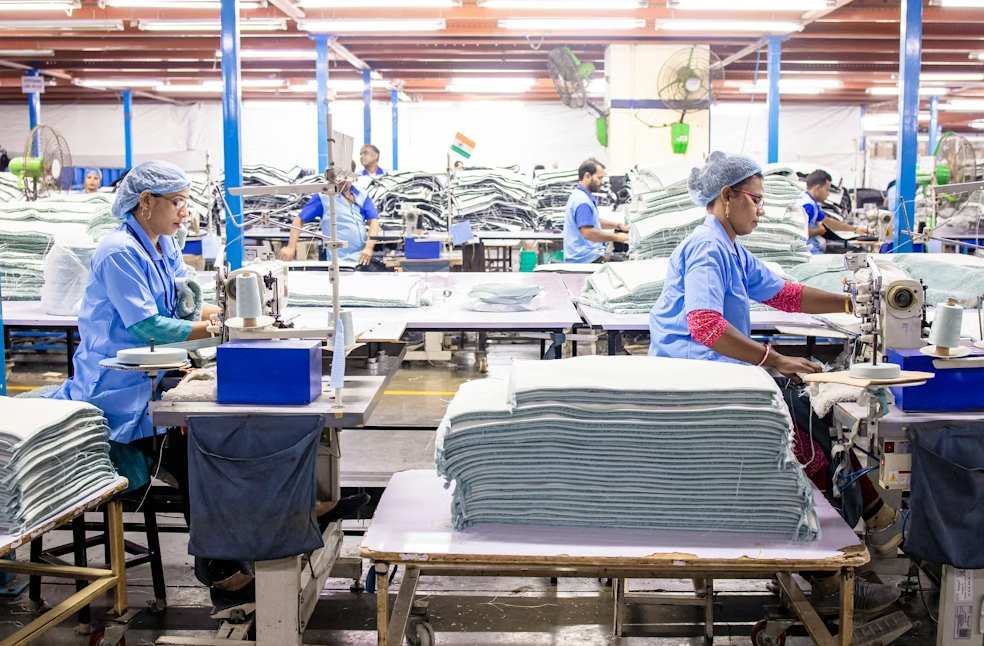
Washington: Revised tariffs on Bangladeshi exports have been introduced under a new trade understanding between the United States and Bangladesh. The deal has granted exemptions for selected garments and textile products produced using US-made materials, while also slightly reducing the overall tariff rate applied to Bangladeshi imports.
The United States has lowered its tariff rate on Bangladesh from 20 percent to 19 percent. In addition, certain clothing and textile items manufactured with American cotton and man-made fibres have been allowed to enter the US market without tariffs.
The volume of these tariff-free exports has been linked to how much textile material the United States supplies to Bangladesh. Bangladesh’s apparel sector remains central to the country’s economy.
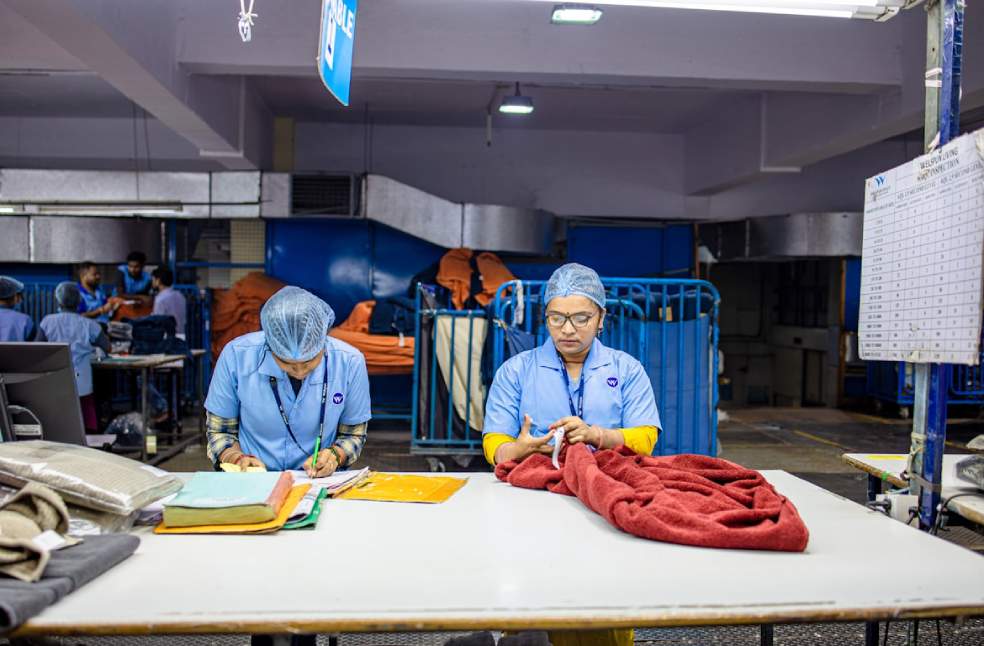
The industry accounts for more than 80 percent of total export earnings and provides employment to around four million workers. As the world’s second-largest exporter of garments after China, Bangladesh has sought improved access to major markets while navigating changing global trade conditions.
In return for eased tariffs, Bangladesh has agreed to widen market access for a range of American products. These include chemicals, medical devices, automotive components, agricultural goods and meat products. Dhaka has also committed to recognizing American food, drug and vehicle safety standards, which has been expected to streamline the entry of US goods into the Bangladeshi market.
The agreement has included broader commitments as well. Bangladesh has pledged to uphold internationally recognized labour standards and strengthen environmental protections. It has also reaffirmed plans to purchase billions of dollars’ worth of American aircraft, energy and agricultural products as part of its economic cooperation with Washington.
The change in tariffs has come after extended negotiations following earlier US duties imposed on global trading partners. The revised rate has placed Bangladesh close to regional competitors such as India, which currently faces an 18 percent US tariff. Both countries compete strongly in global markets for garments, footwear and agricultural products.
Analysts have noted that the adjustments to tariffs could help stabilise trade ties while giving Bangladesh improved access to the American market. The agreement has also been viewed as part of wider efforts to strengthen economic relations and ensure smoother trade flows between the two countries.
POPULAR | Sanae Takaichi wins landslide in Japan lower house vote
