


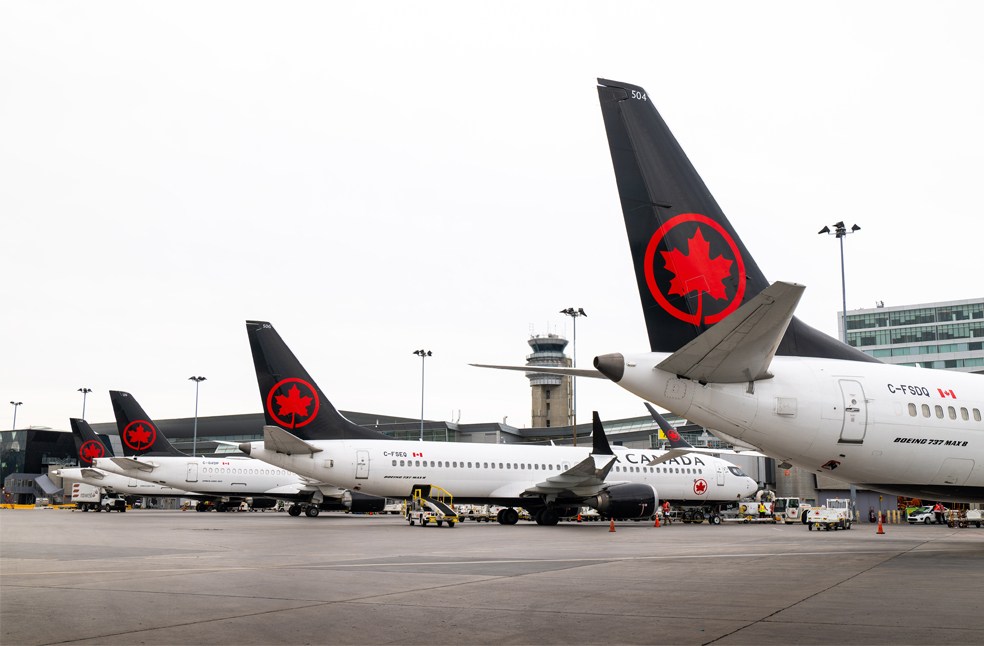
Havana: Several Canadian airlines suspended flights to Cuba after the Caribbean nation warned that it was running dangerously low on jet fuel, a situation exacerbated by tighter US restrictions on oil shipments from Venezuela.
Air Canada, the country’s largest airline, said that the aviation fuel is expected to be commercially unavailable at Cuban airports from February 10, citing official notices that warned fuel supplies would be unreliable. As a result, the carrier halted flights and announced contingency measures to manage stranded passengers.
Smaller airlines WestJet and Air Transat also cancelled services to Cuba due to the anticipated fuel shortages. According to a notice issued to pilots, the fuel shortfall is expected to last from February 10 until March 11.
Air Canada Suspending Cuba Service in Response to Aviation Fuel Shortage : https://t.co/AW6B1EbjDl
//
Air Canada suspend son service à destination de Cuba en raison d’une pénurie de carburant d’aviation : https://t.co/IXH4TSGODC pic.twitter.com/ljywtrwxQu— Air Canada (@AirCanada) February 9, 2026
Cuba’s Civil Aviation Corporation (ECNA) released a brief statement but did not acknowledge the fuel shortage or the flight cancellations. Instead, it remarked that authorities were working to ensure airspace safety and maintain reliable aviation operations. Spain’s Air Europa stated that it would begin making refuelling stops in Santo Domingo, Dominican Republic, for its Madrid–Havana–Madrid flights starting February 10.
Fuel shortages are a recurring challenge for Cuba, and many international airlines already have contingency plans, including refuelling in nearby countries such as Panama, the Bahamas, the Dominican Republic, and the United States.
Air Canada noted that it will operate empty aircraft to Cuba over the coming days to repatriate approximately 3,000 passengers. The airline plans to carry additional fuel for return journeys and make refuelling stops if required.
WestJet announced that it has begun an orderly suspension of its Cuban operations, while continuing limited flights to assist customers returning to Canada. Air Transat has also halted all flights to Cuba until the end of April and is organising repatriation services.

The situation has unsettled travellers in Cuba. At Havana’s José Martí International Airport, residents expressed concern over the uncertainty caused by the announcements. Despite the disruptions, some flights continued operating, including a Copa Airlines flight to Panama.
US carriers such as American Airlines, Southwest Airlines, and Delta Air Lines said their Cuba-bound flights were continuing as normal, noting that aircraft carry sufficient fuel for onward journeys. Cuba has long depended on Venezuela for much of its jet fuel supply, but it has not received crude oil or refined products from the country since mid-December.
The disruption followed a US move to block Venezuelan exports. US President Donald Trump has since warned that Cuba would receive no further oil from Venezuela and threatened tariffs against any country supplying fuel to the island.
In December, Venezuela’s state oil company PDVSA loaded an 80,000-barrel shipment of jet fuel destined for Cuba, but the tanker never departed due to the US blockade. The vessel later unloaded the fuel at a Venezuelan port and took on 150,000 barrels of gasoline instead.
ALSO READ | Humanoid robots steal Lunar New Year spotlight in China
