



Dhaka: The World Health Organisation (WHO) has confirmed the death of a patient in Bangladesh after contracting the Nipah virus, while stressing that the risk of international spread remains low.
In a statement issued, the WHO said the patient was admitted to hospital on January 28, where throat swabs and blood samples were collected. Laboratory tests confirmed Nipah virus infection the following day. Bangladesh’s International Health Regulations National Focal Point formally notified the WHO of the case on February 3, 2026.
The patient, a woman aged between 40 and 50 from Naogaon district in the Rajshahi Division, began experiencing fever and neurological symptoms on January 21. She reported no recent travel history but had consumed raw date palm sap, a known risk factor for Nipah virus transmission.
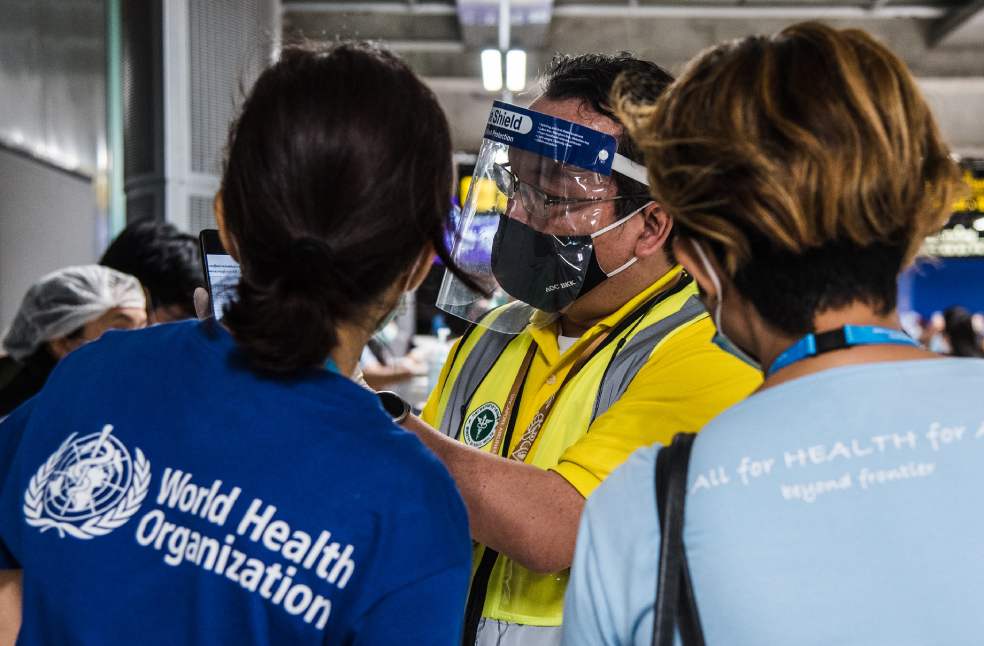
Health authorities have identified and tested 35 contacts linked to the case, with no additional infections detected so far. The confirmation comes around a week after two Nipah virus cases were reported in India’s West Bengal state, prompting heightened vigilance in the region. Concerns over the outbreak have led China and several Southeast Asian countries to tighten health screening at airports. However, the WHO said it does not recommend any travel or trade restrictions based on current information.
The organisation stated that, “WHO assesses the overall public health risk posed by Nipah virus to be low at the national, regional and global levels.” Since 2001, Bangladesh has reported about 348 Nipah virus cases, with roughly half linked to the consumption of raw date palm sap. Outbreaks typically occur seasonally between December and April, coinciding with the harvesting and consumption of the sap.
There are currently no licensed medicines or vaccines specifically approved to treat Nipah virus infection. The disease is known for its high fatality rate, estimated to range between 40 and 75 percent.
WHO Director-General Tedros Adhanom Ghebreyesus last week described Nipah as a ‘rare but serious disease,’ noting that authorities have stepped up surveillance and testing, strengthened infection prevention and control measures in healthcare settings, and are actively informing the public on how to reduce the risk of infection.
TRENDING | Milan-Cortina 2026 Winter Olympics open with spectacular ceremony
