


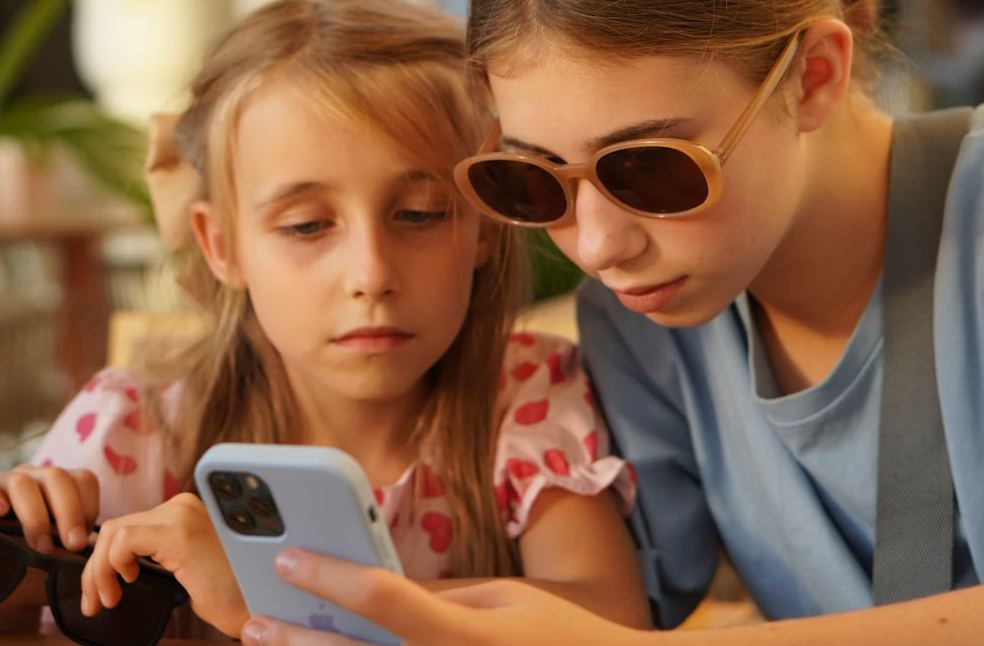
New Delhi: Social media access for children has become a growing policy issue in India, with several states and lawmakers considering age-based restrictions similar to measures introduced overseas.
The discussion has intensified after ministers in southern states have begun studying whether limits on Social media use for those under 16 could be effective in protecting children online.
The annual Economic Survey prepared by a team led by India’s chief economic adviser has recommended that the federal government consider age-based limits for Social media use. While the survey’s recommendations are not binding, they have often influenced policy direction and public debate.
Australia has already introduced a national ban on most Social media platforms for children under 16, requiring companies to verify user ages and disable accounts belonging to underage users. Lawmakers in France have approved a bill in the lower house to block Social media access for under-15s, though it still needs approval from the Senate. The United Kingdom has also been exploring similar steps.
In India, legislator LSK Devarayalu of the Telugu Desam Party has proposed a private member’s bill seeking to bar children under 16 from using Social media. Such bills rarely become law but have shaped parliamentary discussion. The Andhra Pradesh government has also formed a group of ministers to study global regulatory frameworks and has invited major technology platforms including Meta, X, Google and ShareChat for consultations.
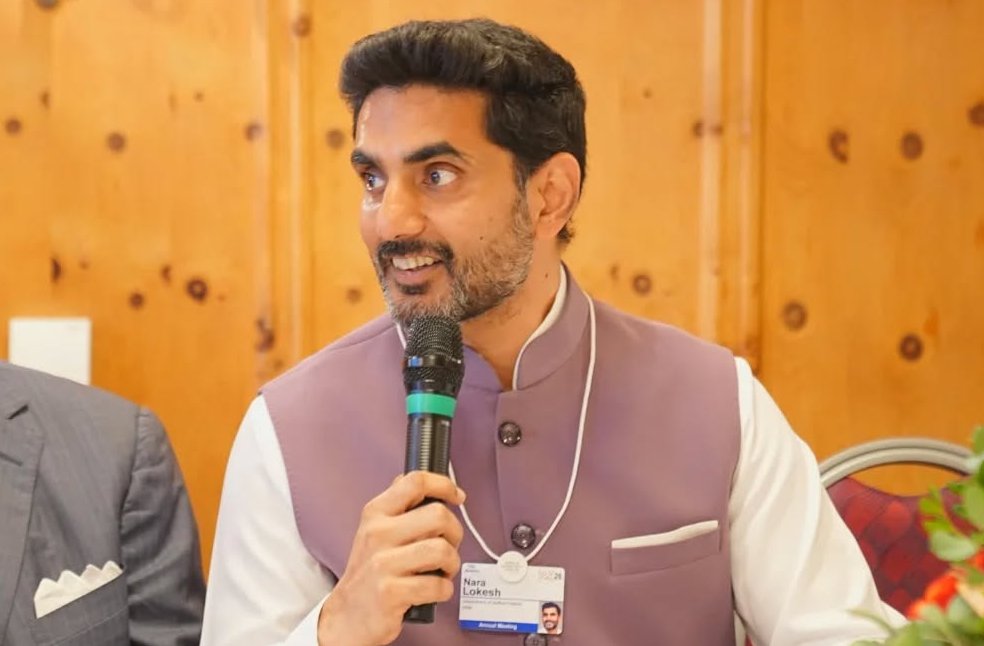
Information Technology Minister Nara Lokesh has said that, children have been slipping into relentless Social media usage affecting attention spans and education, and added that authorities would aim to make platforms safer and reduce harmful impacts. Goa and Karnataka have also indicated interest in studying restrictions or promoting responsible use initiatives, including digital detox programmes involving students and teachers.
Experts have warned that enforcing any ban would be difficult. Digital rights activist Nikhil Pahwa has pointed to challenges in verifying user age and accurately identifying location through IP addresses, especially when state borders are close.
Public policy expert Prateek Waghre has also noted that enforcement would depend heavily on cooperation from platforms and internet intermediaries, which could challenge directives in court.
Studies have suggested additional hurdles in India’s digital environment, where accounts are often created with help from family members and may not be tied to personal email addresses. Some parents have supported the idea of restrictions, while others have argued that parental supervision and engagement remain central to addressing excessive screen time.
The debate has reflected a broader attempt to balance child safety with digital access, as policymakers have continued to assess whether regulation, parental responsibility or platform-level safeguards offer the most effective solution.
DON’T MISS | China bans hidden car door handles over EV safety risks
