


Close Menu

    Get the latest news around the globe

    Editor's Pick

    DoorDash to take over Deliveroo in landmark international deal

    Women tend to fall out of love sooner than men; Study

    Japan issues tsunami warning following a 7.6 magnitude earthquake

    Facebook X (Twitter) Instagram
    Facebook X (Twitter) LinkedIn Instagram
    Britain HeraldBritain Herald
    Subscribe
    • Home
    • World Roundup
    • Business
    • Tech World
    • Entertainment & Events
    • Curious
    • More…
      • Spotlight
      • Knowledge
      • Lifestyle
      • Awareness
      • Women World
      • Sports
      • Travel
      • Notable
      • Contact Us
    Britain HeraldBritain Herald
    Home » Exploring the science behind world’s deep blue sky
    Knowledge

    Exploring the science behind world’s deep blue sky

    The color of the sky is determined by Rayleigh scattering, which affects shorter wavelengths of light, scattering blue light more than red.
    News DeskBy News DeskJanuary 29, 2026
    Facebook Twitter LinkedIn WhatsApp
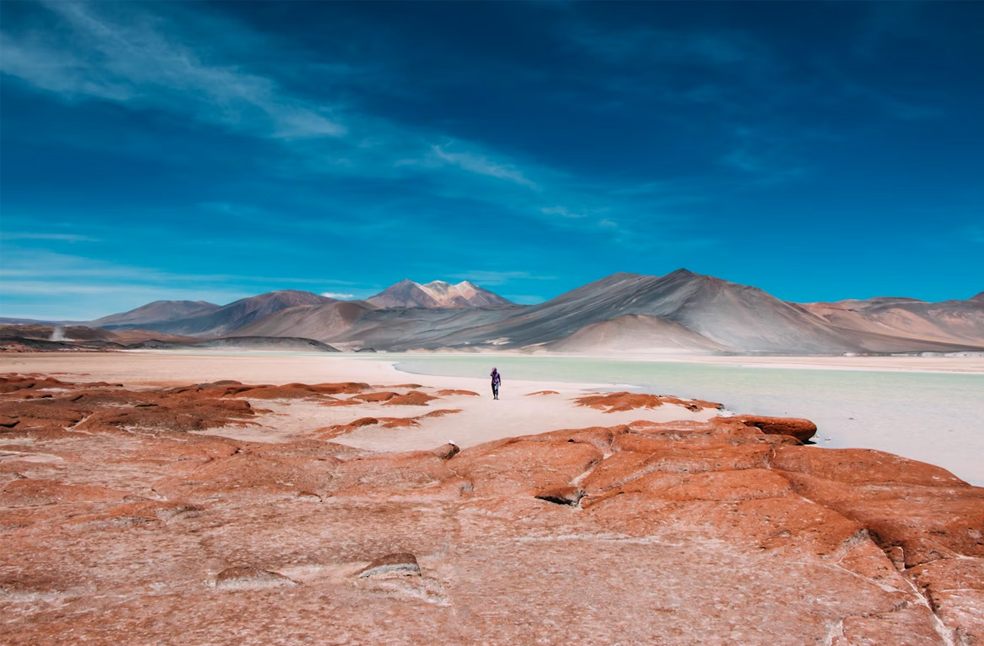
    World's bluest sky-Image from-Unsplash
    Image Via: Diego Jimenez@Unsplash | Cropped by BH

    Cape Town, South Africa: Sometimes the sky seems impossibly vivid, appearing much bluer than the clearest summer days at home.

    Places like Cape Town in South Africa and Briançon in France are celebrated for their strikingly deep blue skies, but is this effect just perception, or is there a scientific reason behind it?

    The color of the sky is determined by Rayleigh scattering, which affects shorter wavelengths of light, scattering blue light more than red. The blue we see is essentially the blue component of scattered sunlight.

    Factors that can alter the sky’s color

    • High humidity, dust, smoke, or pollutants scatter light across a broader range of wavelengths,
    • a process called Mie scattering, resulting in a whiter or milkier sky.
    • At higher altitudes, there is less atmosphere above, reducing scattering and making the sky appear darker and more vividly blue.
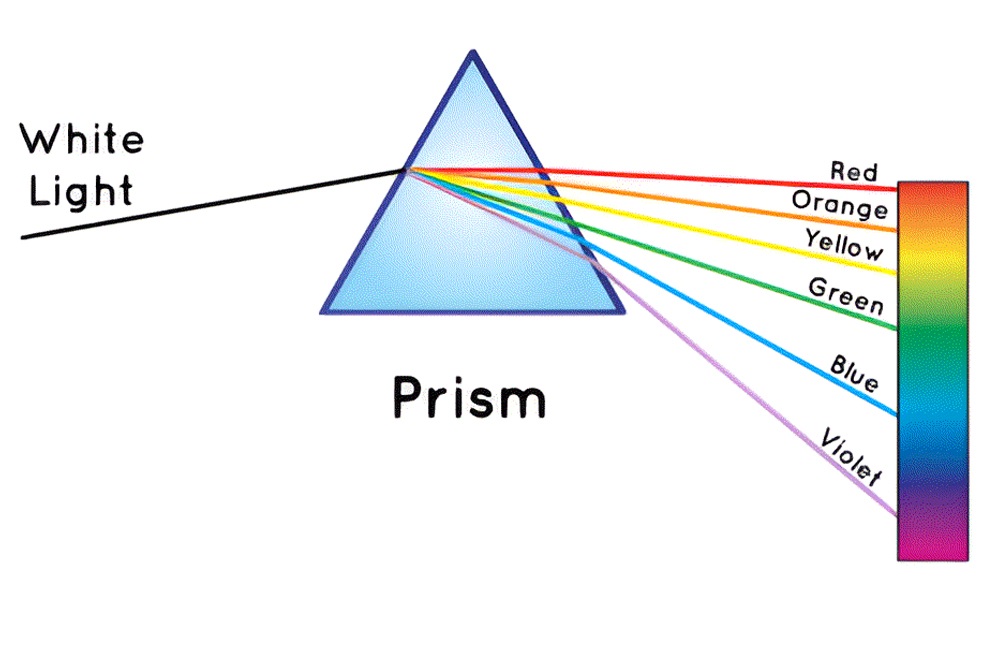
    World's bluest sky-Image Via-NASA Space Place
    Image Credits: NASA Space Place | Cropped by BH

    The science detailed

    The sky looks blue because of a process known as Rayleigh scattering, in which air molecules, mainly nitrogen and oxygen, scatter shorter wavelengths of sunlight more efficiently than longer ones.

    Blue light, which has a shorter wavelength, is scattered in all directions across the atmosphere, giving the daytime sky its blue appearance. Meanwhile, longer wavelengths such as red and orange pass through the atmosphere more directly and become more noticeable at sunrise and sunset.

    Why the sky is Blue

    • Sunlight Composition: Sunlight may appear white, but it is actually made up of all the colors in the visible spectrum.
    • Scattering in the Atmosphere: As sunlight enters Earth’s atmosphere, it collides with gas molecules, causing the light to scatter.
    • Wavelength Effect: Blue light travels in shorter waves and scatters much more strongly, about four times more than red light.
    • Human Vision: Although violet light has an even shorter wavelength, the sun produces less of it, and human eyes are more sensitive to blue, making blue the dominant color we see.

    Why not at Sunset?

    At sunrise and sunset, sunlight travels a longer path through the atmosphere. During this extended journey, most of the blue light is scattered away before it reaches our eyes, allowing red, orange, and yellow hues to dominate the sky.

    World's bluest sky-Image Via-Unsplash
    Image Via: henrique setim@Unsplah | Cropped by BH

    Antarctica tops the list

    Spectroscopic studies have revealed regional differences in sky color, but no comprehensive global survey has been conducted to determine the clearest skies worldwide.

    Antarctica is likely the top contender for the deepest, most saturated blue sky. Its combination of high altitude, extremely low humidity, and minimal pollution gives the sky a striking sapphire hue, often leaving visitors in awe.

    Other notable locations include the Atacama Desert in Chile and the Tibetan Plateau, both renowned for their high elevations and dry conditions, which also produce intensely blue skies.

    From the coastal skies of Cape Town to the icy expanse of Antarctica, the variations in blue illustrate how geography, climate, and altitude combine to create some of the most breathtaking skies on Earth.

    MOST READ | Seven in 10 UK mothers feel overloaded; Study reveals

    STAR OF SECTOR 2025
    Bluest Sky On Earth Clear Sky Destinations Deep Blue Sky High Altitude Sky Mie Scattering Rayleigh Scattering Sky Color Science Sunlight Composition Wavelength Effect World's Bluest Sky
    Share. Facebook Twitter LinkedIn WhatsApp
    Avatar
    News Desk

    The news/article published above has been sourced, compiled, and corroborated by a member of the Britain Herald News Desk Team. If you have any queries or complaints about the published material, please get in touch with us at BritainHerald@Gmail.Com

    Newly Updated

    Verdi-led walkout freezes public transport across Germany

    February 2, 2026

    Gold and silver slide sharply after record rally reverses

    February 2, 2026

    Is coffee after a meal good for digestion? Experts explain

    February 2, 2026
    STAR OF SECTOR 2025

    Business

    Gold and silver slide sharply after record rally reverses

    Business February 2, 2026

    Washington: Gold and silver prices have extended steep losses, marking a sharp reversal from the…

    India Budget 2026 bets big on manufacturing, tech and fiscal discipline

    February 1, 2026

    ET NOW Global Business Summit 2026 to host global leaders

    January 31, 2026

    Venezuela approves major oil law reform to boost foreign investment

    January 30, 2026
    Stay In Touch
    • Facebook
    • Twitter
    • LinkedIn
    • Instagram

    Curious

    Two-year-old sets Guinness World Records with snooker shots

    January 28, 2026

    Is phubbing destroying your real-life connections?

    December 12, 2025

    Scientist reports 1st direct signal of dark matter

    November 26, 2025

    Zodiacal Light: How to spot the subtle pre-dawn sky glow

    September 29, 2025

    Get the latest news around the globe

    Knowledge

    Winter Phenomenon: Exploding trees and frost damage

    Knowledge January 30, 2026

    Northern US: During winter cold spells, reports of exploding trees often capture attention. In reality,…

    Exploring the science behind world’s deep blue sky

    January 29, 2026

    Horses sense human fear through smell, researchers say

    January 15, 2026

    Experts push for respirators over surgical face masks

    January 10, 2026
    18-EA-387-TryEngineeringSummerInst_BannerAd_300x250_Robot
    About Us
    About Us

    Britain Herald is a global news brand that plays a significant role in educating and informing the masses with informative content, the latest updates, and current affairs across the World.

    Operated and Managed by WellMade Network, the portal is a sister concern of GCC Business News and Emirati Times. For inquiries about Media Partnerships, Investment and other opportunities in line with our Editorial Policy, please contact us at;

    Email Us: News@BritainHerald.com
    Whatsapp: +971 5060 12456

    We Have

    Verdi-led walkout freezes public transport across Germany

    February 2, 2026

    Gold and silver slide sharply after record rally reverses

    February 2, 2026

    Is coffee after a meal good for digestion? Experts explain

    February 2, 2026

    Sara Duterte faces fresh impeachment complaints in Philippines

    February 2, 2026
    Facebook X (Twitter) LinkedIn Instagram
    • Home
    • Business
    • Tech World
    • Awareness
    • Contact Us
    Privacy & Cookies Policy | Terms & Conditions
    © 2002 BritainHerald.com, An Initiative by WellMade Network

    Type above and press Enter to search. Press Esc to cancel.