


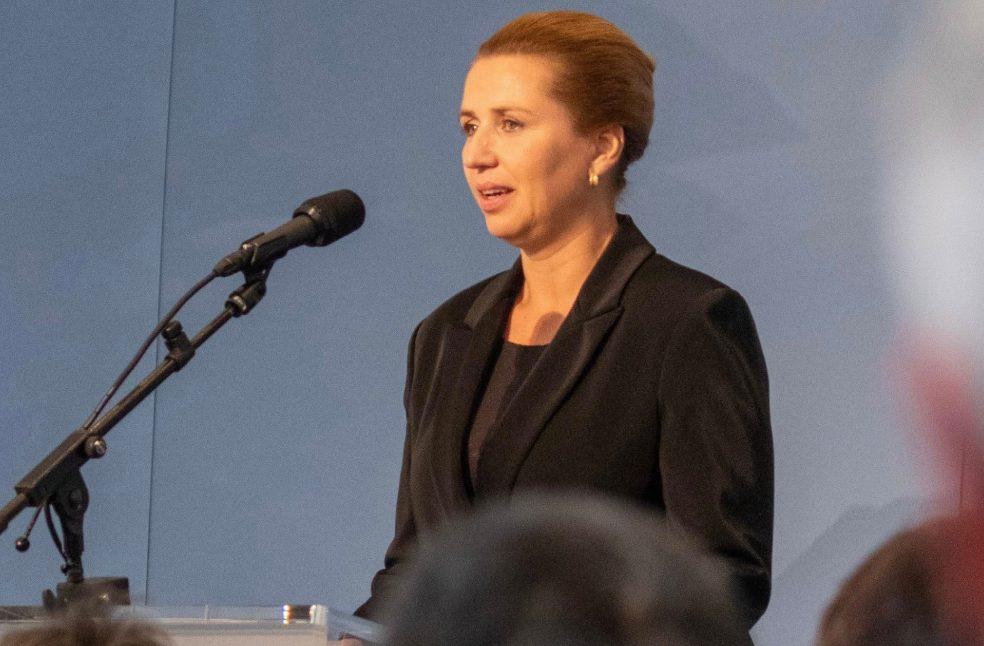
Nuuk: Greenland has become the focal point of renewed diplomatic engagement after Danish Prime Minister Mette Frederiksen has travelled to Nuuk for talks with Greenlandic leader Jens-Frederik Nielsen.
The visit has followed a volatile period marked by threats from US President Donald Trump, which were later rolled back in favour of negotiation and diplomatic discussion.
Frederiksen has arrived in the Greenlandic capital directly from Brussels, where meetings with NATO Secretary General Mark Rutte have focused on strengthening Arctic security cooperation. Discussions have included enhanced deterrence and defence in the region, reflecting the strategic importance of Greenland within transatlantic security frameworks.
The trip has been framed as a show of unity and reassurance for Greenlandic citizens during a period of political uncertainty. Frederiksen has emphasised that Denmark stands firmly with Greenland, stressing that diplomatic routes would remain the priority.
Tensions had escalated earlier when Trump threatened potential military action and trade tariffs against several European nations linked to Greenland’s sovereignty. However, a significant shift occurred when Trump announced that military options had been ruled out and that discussions would move forward through diplomatic channels.
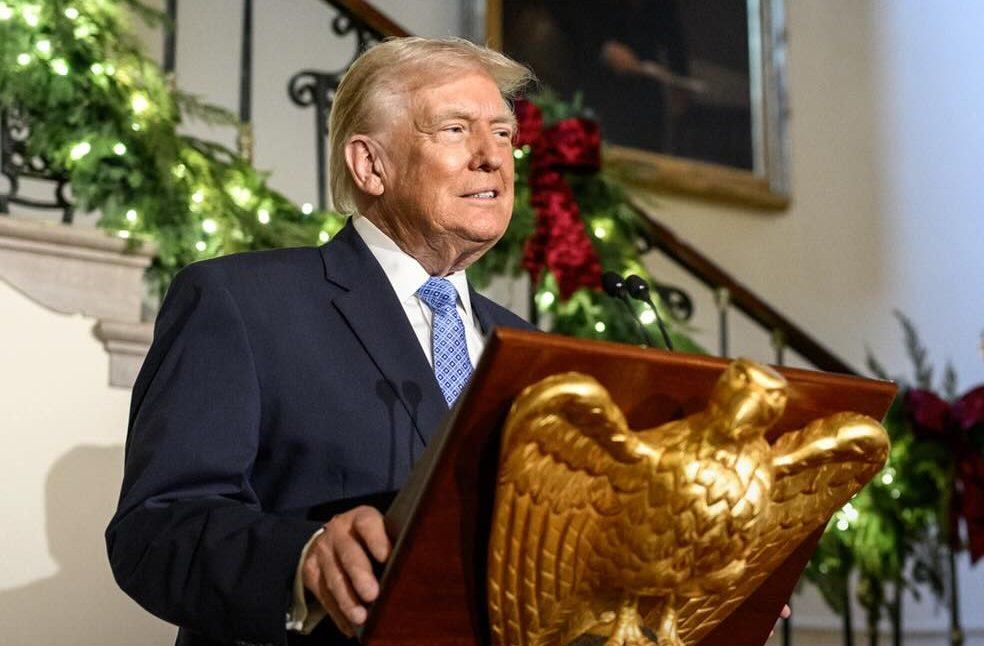
Despite the announcement, details surrounding the agreement have remained limited. Questions persist about the scope and structure of the framework, as neither Washington nor NATO has provided further clarification. Greenland continues to hold strategic importance due to its Arctic position, natural resources and role in global security planning.
After landing at Nuuk airport, Frederiksen was greeted by Nielsen in a symbolic gesture of unity and cooperation. Frederiksen said that the visit was intended to demonstrate Denmark’s strong backing of Greenlandic interests during what has been described as a serious political moment. Frederiksen stated that diplomatic efforts would now take priority as discussions continue.
Greenland’s leadership has maintained that the territory’s sovereignty and political future remain non-negotiable, with dialogue focused on cooperation rather than confrontation. Observers have noted that Denmark’s visible engagement has helped stabilise concerns and reassure local governance structures.
The situation has illustrated the growing importance of Greenland within international diplomacy, especially as Arctic regions become increasingly significant for defence and climate-related policies. Greenland has been positioned as a vital geopolitical link between Europe and North America, heightening global attention on its political status.
The visit has reinforced Denmark’s commitment to protecting Greenlandic interests while promoting stability through international cooperation. Greenland has now entered a new phase of diplomatic engagement where dialogue and negotiation remain the guiding principles.
MOST READ | Bird migration to UK set to rise after European cold snap
