


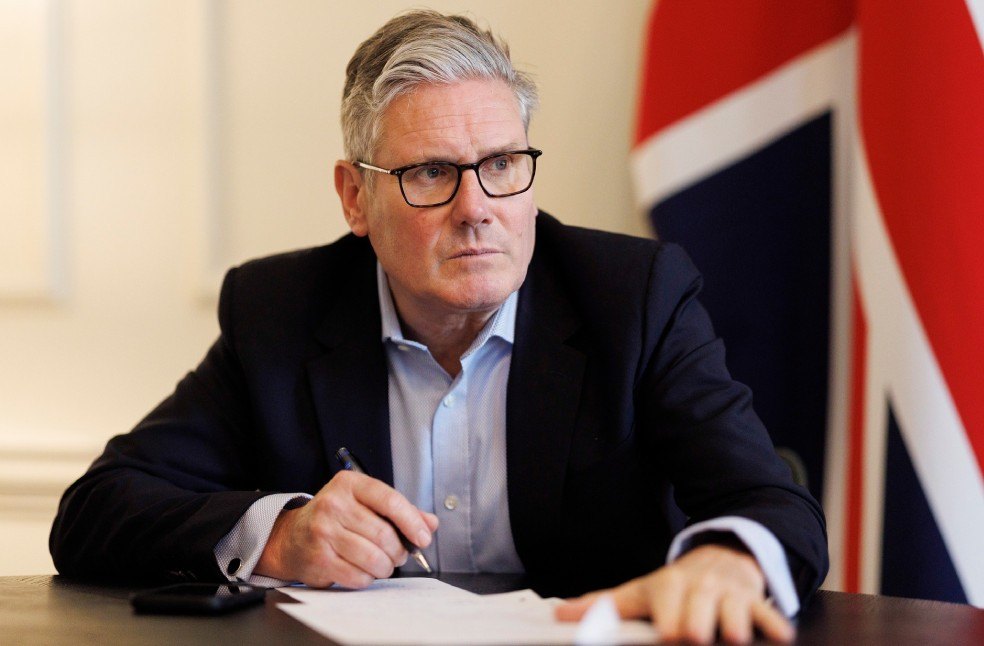
London: Keir Starmer has come under mounting scrutiny as senior Labour figures and trade union leaders have urged that Andy Burnham should be allowed to contest the Gorton and Denton byelection without interference from party leadership. The developing situation has placed Starmer at the centre of a growing debate over whether Labour’s candidate selection process remains transparent and democratic.
Angela Rayner has been expected to support Burnham’s right to stand, with indications that the deputy prime minister will argue at Labour’s north-west regional conference that no candidate should be blocked from participating. Rayner’s stance has added to internal pressure on Starmer, whose allies have reportedly been attempting to prevent Burnham from becoming the party’s nominee amid fears of a future leadership challenge.
The timetable for the byelection has been extremely tight. Applications have opened on Friday evening, with candidates required to seek approval from the national executive committee within twenty-four hours and complete submissions by Sunday night. A candidate is expected to be selected within a week, leaving little time for political manoeuvring.
Burnham has not formally confirmed plans to run but has made ambitions clear in recent months. Prior to Labour’s conference last year, Burnham said many MPs had encouraged a leadership bid, comments that caused unease within No 10 and among cabinet ministers. Any parliamentary run would require Burnham to resign as mayor of Greater Manchester, a position held since 2017.
Supporters of Burnham have warned that blocking the bid could trigger serious backlash among MPs, party members and trade unions. Andrea Egan, general secretary of Unison, said that local party members should decide their candidate, warning against what has been described as excessive central control. Jo White, who leads Labour’s so-called red wall MPs group, has also argued that northern members must be trusted to make their own choice.
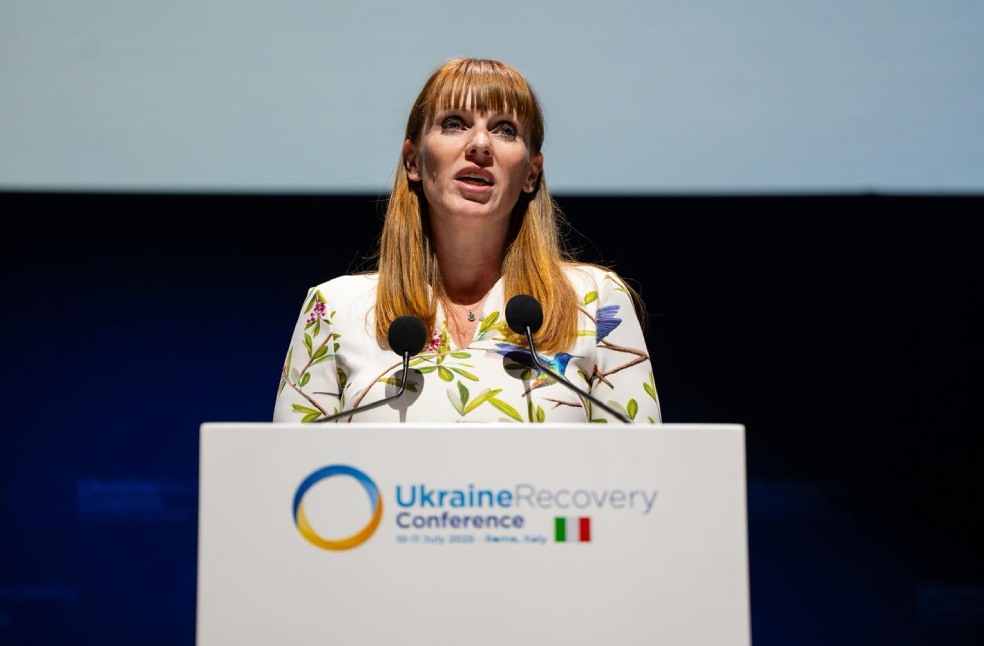
The byelection has been triggered by the resignation of Andrew Gwynne on medical grounds. Gwynne previously held the seat for Labour with a majority of 13,413 votes in 2024. Reform UK and the Greens were close contenders, receiving 14 percent and 13 percent of the vote respectively, raising the prospect of a competitive contest.
Other potential candidates have included Bev Craig, leader of Manchester City Council, who has been viewed as a favourite among Starmer’s allies. Reports have also suggested that Burnham could attempt to secure a high-profile successor for the mayoralty, with figures such as former footballer Gary Neville being mentioned.
Opposition parties have signalled interest in contesting the seat. Green Party leader Zack Polanski and Workers Party leader George Galloway have hinted at possible campaigns, while Reform UK could field candidates such as Zia Yusuf or former Conservative MP Jonathan Gullis.
Stephen Kinnock, a health minister, has insisted that the selection process will follow standard party procedures. Kinnock said that Burnham is performing effectively as mayor and remains a respected political figure.
For Starmer, the controversy has underscored the challenge of balancing party unity with concerns about leadership authority. Allies of Burnham have argued that preventing a parliamentary return could be seen as a sign of insecurity, while supporters of Starmer have maintained that stability within Labour remains the priority.
DON’T MISS | TikTok avoids US ban with new majority American ownership
