


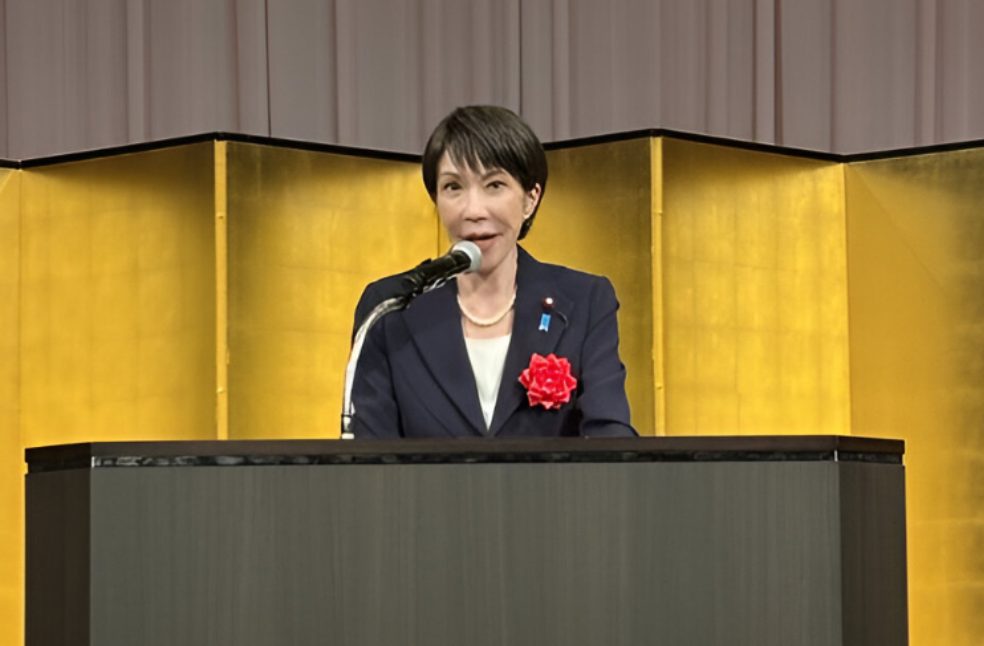
Tokyo: Japan’s Prime Minister Sanae Takaichi has dissolved the country’s lower house of parliament ahead of a snap general election scheduled for February 8, triggering the start of an official 12-day campaign next week.
The dissolution was formalised after the speaker of the 465-member lower house read out the order, as lawmakers erupted into the traditional rallying cry of ‘banzai’.
Takaichi, Japan’s first female prime minister, announced earlier this week her intention to call an early election. Elected leader in October, she has been in office for just three months but currently enjoys approval ratings of around 70 percent.
Takaichi hopes to capitalise on her popularity to strengthen the position of the governing coalition, comprising her Liberal Democratic Party (LDP) and the Japan Innovation Party (JIP), which currently holds only a slim majority in the powerful lower chamber.
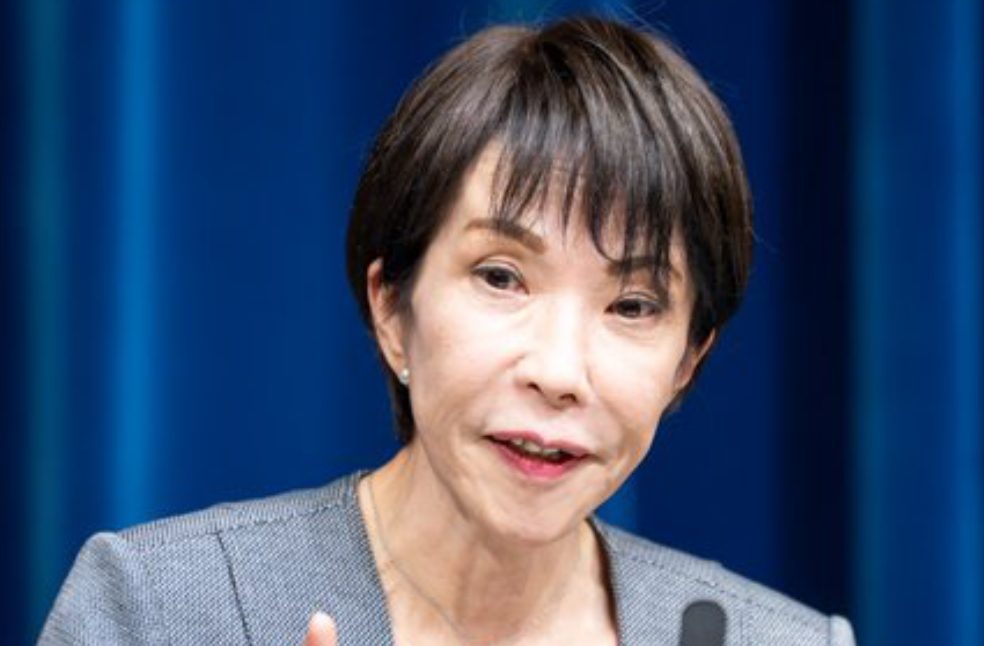
However, analysts caution that strong support for Takaichi personally may not necessarily translate into votes for the LDP. According to public broadcaster NHK, the key issues shaping the election campaign will include the rising cost of living and national security, particularly amid growing tensions with China.
Relations between Tokyo and Beijing have deteriorated since November, following Takaichi’s suggestion that Japan could become involved if China were to take military action against Taiwan. Beijing has since stepped up economic and diplomatic pressure on Japan.
Inflation has emerged as a central political issue. Both governing and opposition parties have floated proposals such as removing the consumption tax on food to ease pressure on household budgets.
Public frustration over rising prices was a key factor behind the downfall of former Prime Minister Shigeru Ishiba, whom Takaichi replaced in October.
Latest government figures released showed that inflation eased slightly in December. Consumer prices, excluding fresh food, rose 2.4 percent year-on-year, down from 3 percent in November, largely due to government subsidies on electricity and gas. While the slowdown offers some relief, inflation remains above the central bank’s 2 percent target.
The rising cost of rice has become a powerful symbol of the cost-of-living crisis. Prices more than doubled in mid-2025 compared with the previous year, before easing somewhat in recent months. In December alone, rice prices were still more than 34 percent higher than a year earlier.
The LDP has governed Japan almost continuously for decades, despite frequent leadership changes. The main opposition Constitutional Democratic Party (CDP) has now formed an alliance with Komeito under the banner of the Centrist Reform Alliance, hoping to attract swing voters.
Political analysts say the race could be tighter than usual, depending on how effectively the opposition mobilises voters, though they still consider a change of government unlikely.
MOST READ | Australia observes national day of mourning for Bondi shooting victims
