


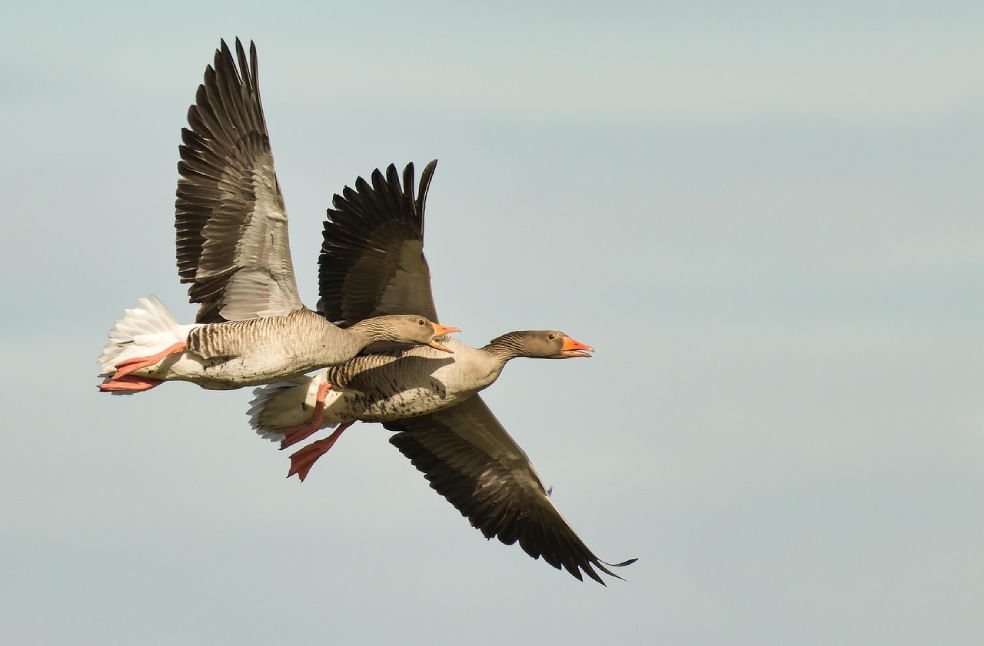
London: Bird migration to the UK has intensified following a wave of cold and unsettled weather across parts of continental Europe, increasing the likelihood of sightings of species such as fieldfares and redwings during the winter season.
The Royal Society for the Protection of Birds (RSPB) has highlighted that harsher temperatures in regions such as Poland and Scandinavia have encouraged more birds to move westwards in search of food, shelter, and milder conditions.
Bird migration patterns typically see these species spend much of the year on the European continent before crossing into the UK during winter. The movement is influenced by both extreme cold and the reduced availability of food sources in their breeding regions.
Beccy Speight, Chief Executive of the RSPB, said that, when compared with countries such as Norway and Sweden, the UK has warmer winters that attract large numbers of migratory birds seeking shelter, food, and water. Speight said that, numbers change each year depending on weather conditions in both the UK and Europe, and colder spells increase the chances of seeing surprise migratory visitors in gardens and parks.
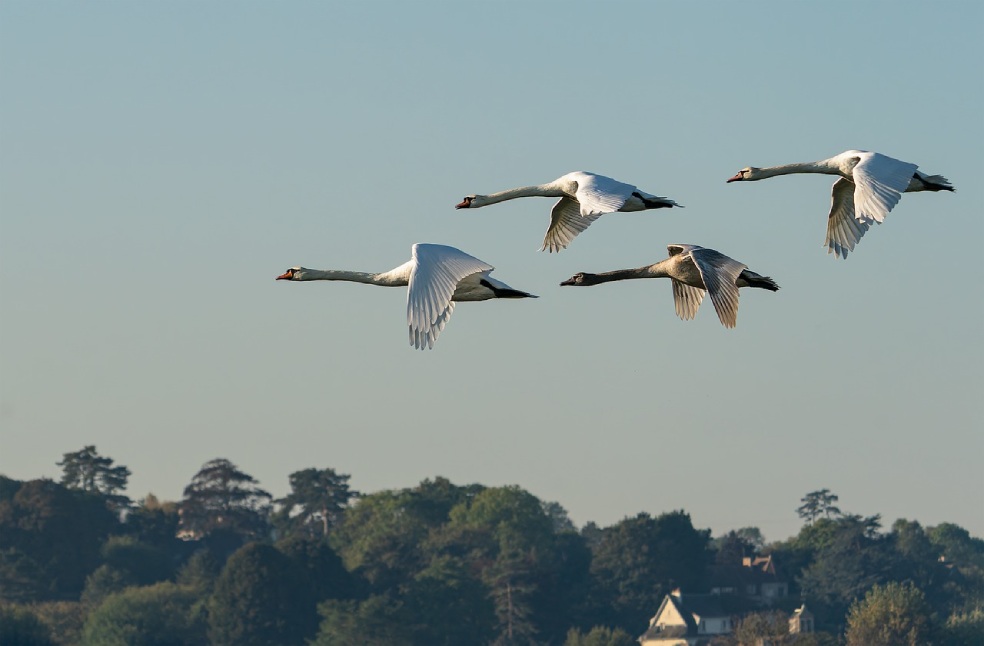
Bird migration trends have drawn particular attention ahead of the RSPB Big Garden Birdwatch, the world’s largest garden wildlife survey, scheduled to take place between January 23 and 25. The annual event encourages people to spend one hour observing and counting birds in gardens or local green spaces, with results submitted to the RSPB to help build a nationwide picture of bird populations and seasonal movements.
Last year, almost 600,000 participants took part in the survey, recording more than nine million birds across over 80 species. Around 3,000 of those sightings included fieldfares and redwings, two species closely linked with winter bird migration to the UK. The data has provided valuable insights into how weather conditions and environmental changes influence population movements and species distribution.
The RSPB Big Garden Birdwatch, first launched in 1979, has remained one of the most important citizen science projects in the UK. A parallel survey encouraging school participation will also take place during the first week of the spring term in February, extending awareness of bird migration and conservation among younger age groups.
Bird migration trends observed during this winter have reinforced the importance of public participation in monitoring wildlife patterns. Even during colder months, the presence of migratory birds has continued to bring nature closer to everyday life while providing valuable information for conservation planning and ecological research.
TRENDING | Novak Djokovic cruises into Australian Open third round
