


Beijing: Nvidia has seen shipments of its H200 chips halted after Chinese customs authorities have instructed that the processors are not permitted to enter the country.
Nvidia suppliers have paused production of components after being informed that shipments would not be cleared, according to a report that cited people familiar with the matter. Nvidia has been expecting more than one million orders from Chinese clients for the H200, which is its second most powerful artificial intelligence processor.
Suppliers have been operating around the clock in preparation for shipments that were expected to begin as early as March. The sudden pause has created uncertainty for manufacturers and customers who had been preparing for large-scale deployment of the chips.
Nvidia has been caught in the middle of intensifying US-China tensions over advanced technology. Chinese customs officials have informed agents that the H200 is not allowed to enter the country, while domestic technology firms have been summoned and warned against buying the chip unless it is strictly necessary.
Nvidia’s H200 has become one of the biggest flashpoints in US-Sino relations because of its advanced computing capabilities. There has been strong demand from Chinese companies, but it remains unclear whether Beijing wants to fully restrict the chips to promote domestic alternatives, whether it is still reviewing its policy, or whether the move is being used as leverage in wider negotiations with Washington.
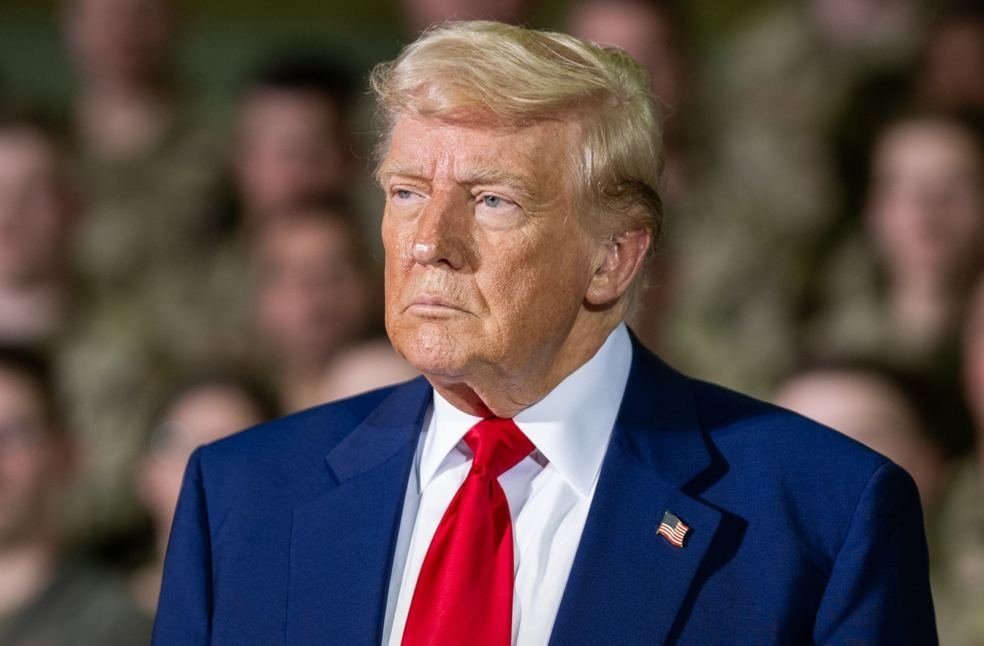
Nvidia had received clearance from the US government to export the US-designed and Taiwan-manufactured chips to China, with reports suggesting that Washington would take a share of the profits. Many of the export controls and tariff mechanisms affecting Nvidia today have originated from measures introduced during Donald Trump’s presidency, which reshaped US trade policy with China around strategic technologies.
Nvidia has found itself at the centre of debate among experts and policymakers over whether selling advanced AI chips to China is strategically sound. Supporters have argued that controlled access could slow China’s development of rival technologies and keep Chinese firms dependent on US hardware.
Critics have warned that such powerful processors could be used in military systems that might one day be deployed against US interests or its allies, adding to concerns about national security risks.
ALSO READ | Horses sense human fear through smell, researchers say
