


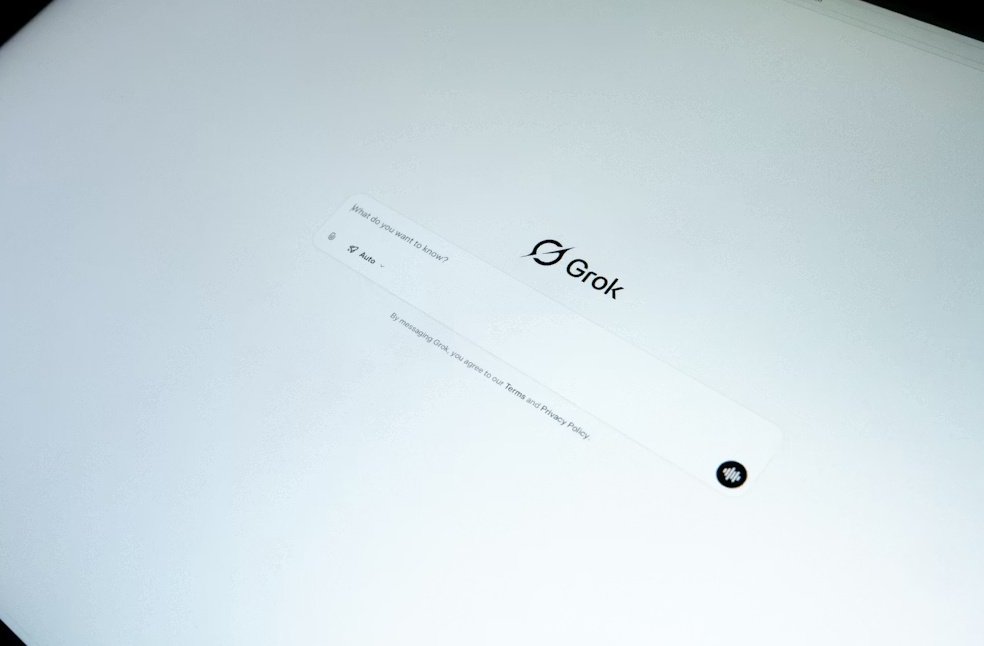
London: The UK government will bring into force legislation making it illegal to create non-consensual intimate images, following mounting concerns over Elon Musk’s Grok AI chatbot and its use on the social media platform X.
Speaking to Labour MPs, Prime Minister Sir Keir Starmer warned that X could lose its ‘right to self-regulate’ if it fails to control Grok. “If X cannot control Grok, we will,” PM said, adding that the government would act quickly in response to the issue.
In addition to enforcing existing law, the government plans to introduce new legislation that would make it illegal to supply online tools used to create non-consensual intimate images. The company has previously stated that “anyone using or prompting Grok to make illegal content will suffer the same consequences as if they upload illegal content.
The announcement came hours after Ofcom noted that it was launching an investigation into X over what it described as ‘deeply concerning reports’ that Grok had been used to alter images of people. If the platform is found to have breached UK law, Ofcom could issue fines of up to 10 per cent of X’s global revenue or £18 million, whichever is greater.

Should X fail to comply, the regulator could also seek a court order requiring UK internet service providers to block access to the platform entirely.
Technology Secretary Liz Kendall urged Ofcom not to take ‘months and months’ to conclude its investigation and demanded the regulator publish a timeline ‘as soon as possible.’
Kendall confirmed that provisions in the Data (Use and Access) Act, passed in June 2025, which criminalise the creation or request of deepfake intimate images, will be brought into force this week. Campaigners had accused the government last week of delaying implementation of the law.
The Technology Secretary noted that, “Let me be crystal clear – under the Online Safety Act, sharing intimate images of people without their consent, or threatening to share them, including pictures of people in their underwear, is a criminal offence for individuals and for platforms.
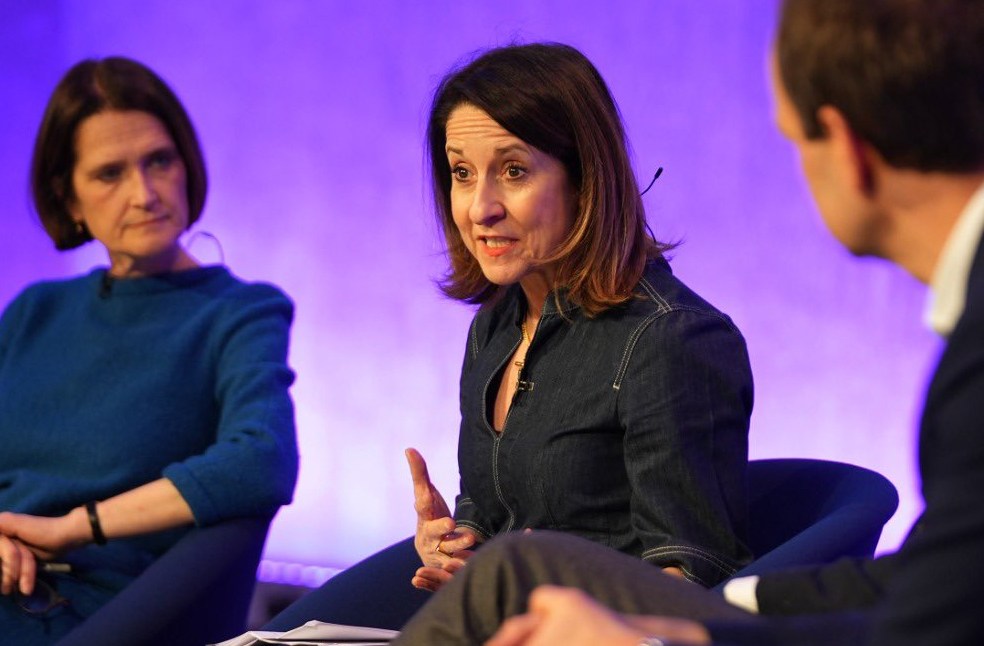
“This means individuals are committing a criminal offence if they create or seek to create such content, including on X, and anyone who does this should expect to face the full extent of the law,” Kendall stated.
Kendall stressed that responsibility does not lie solely with individuals but also with the platforms hosting such material. The government would build on measures in the Crime and Policing Bill to criminalise nudification apps, creating a new offence that would make it illegal for companies to supply tools specifically designed to generate non-consensual intimate images.
Legal expert Jamie Hurworth said that Kendall’s remarks indicate how seriously the government is now treating the issue, though he warned it remains unclear whether an overstretched police force will have sufficient resources to investigate and prosecute offenders. Hurworth added that accountability must extend across the entire chain, from creators to platforms.
Ofcom’s investigation will examine whether X failed to remove illegal content swiftly once it became aware of it, and whether it took appropriate steps to prevent UK users from accessing such material.
The controversy has triggered a global backlash against Grok’s image-generation feature, with Malaysia and Indonesia temporarily blocking access to the tool over the weekend. An Ofcom spokesperson said the investigation would be treated as ‘a matter of the highest priority’ but did not specify how long it would take.
Responding to criticism online, Elon Musk claimed the UK government was seeking ‘any excuse for censorship.’ Kendall rejected that claim, saying the action was not about restricting freedom of speech but about tackling violence against women and girls.
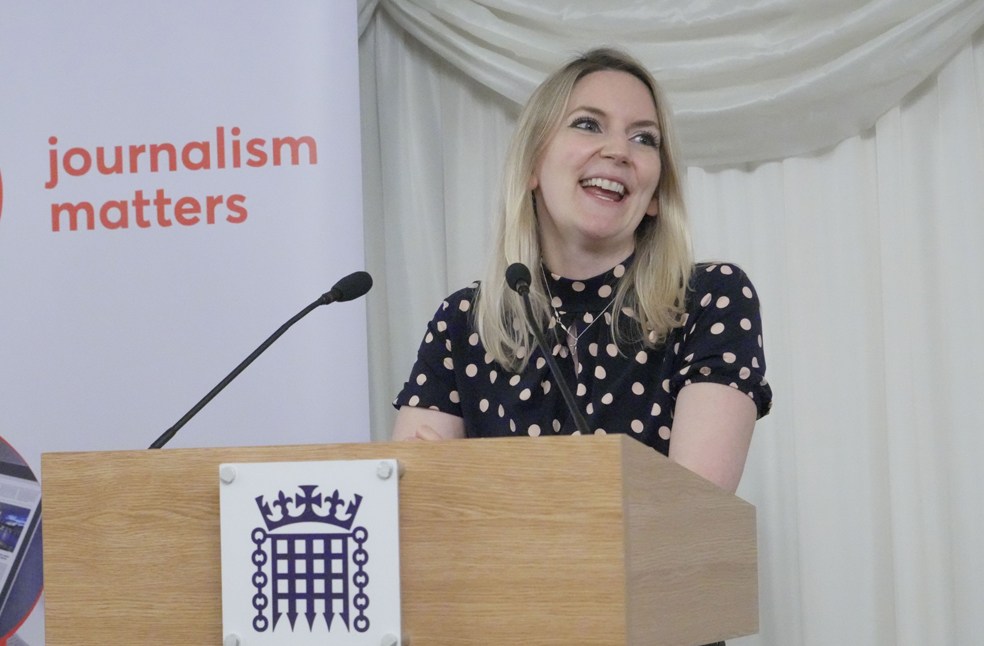
Shadow Technology Secretary Julia Lopez welcomed Ofcom’s investigation and stated that her party supported government action against nudification tools. However, she criticised comments Kendall made last week, suggesting she would back Ofcom if it blocked access to X in the UK.
Lopez added that such a move would be extraordinarily serious, arguing that while the internet has long been used by criminals, platforms have not previously been banned and can play a vital role in exposing wrongdoing, enabling democratic movements, and allowing the free exchange of ideas, including unpopular ones.
ALSO READ | Extreme weather brings travel chaos to Northern Europe
