


EL SEGUNDO, Calif: Mattel has introduced its first-ever autistic Barbie, further expanding the brand’s focus on diversity and representation. The launch comes just six months after the debut of Barbie’s first doll with type 1 diabetes.
Part of the Barbie Fashionistas range, the new doll is designed to help more children ‘see themselves in Barbie’ while encouraging all children to engage with toys that reflect the real world around them.
Autism is a form of neurodivergence that shapes how individuals experience, interpret and interact with society. While autism presents differently in every person, the World Health Organization estimates that more than one in 100 children worldwide is autistic.
Barbie design
The autistic Barbie was developed in collaboration with the US charity the Autistic Self Advocacy Network. The doll has been thoughtfully designed to reflect some of the ways autistic children may experience, process and communicate with their environment.
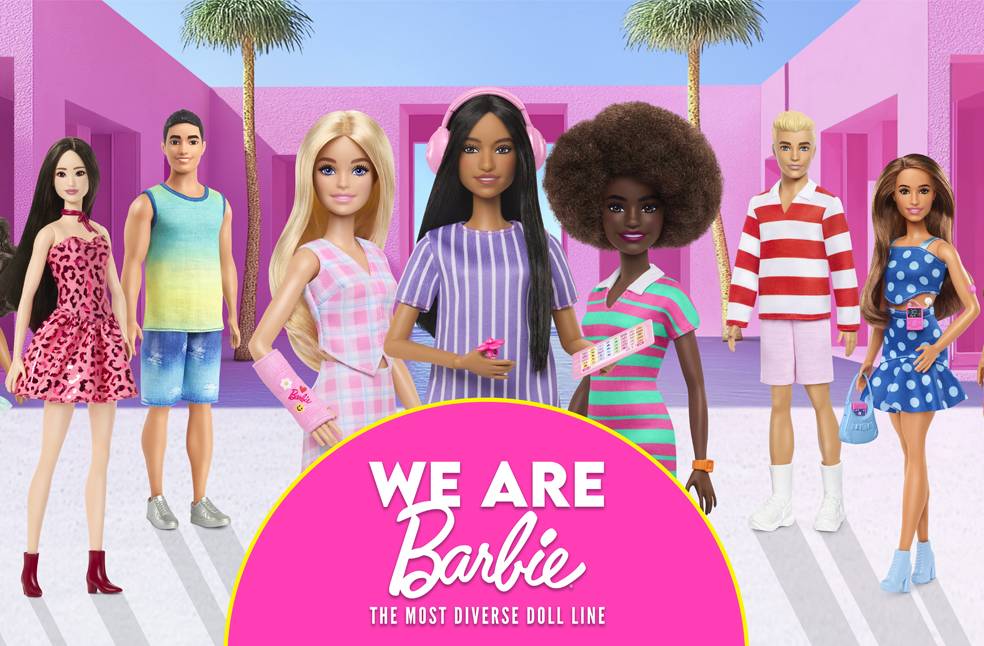
Her eyes are positioned to gaze slightly to one side, acknowledging that some autistic people avoid direct eye contact. She also has fully bendable elbows and wrists, allowing for repetitive movements such as hand-flapping or stimming, which can help regulate sensory input or express excitement.
To further reflect common support tools, the doll wears a pink fidget spinner on her finger to help manage stress, pink noise-cancelling headphones to reduce sensory overload, and carries a pink tablet featuring symbol-based augmentative and alternative communication buttons to assist with everyday communication.
Her clothing has been carefully selected with sensory comfort in mind. Barbie wears a loose-fitting purple pinstripe A-line dress with short sleeves and a flowing skirt to minimise fabric-to-skin contact. The outfit is completed with flat purple shoes designed to promote stability and ease of movement.
Since Barbie’s debut in 1959, dolls with disabilities were absent from the range until 2019. From that time, Mattel has introduced Barbies who are blind, use wheelchairs, have Down syndrome, prosthetic limbs, vitiligo and hearing aids. The Ken range has also expanded to include a doll with a prosthetic leg, another who uses a wheelchair with a ramp, and one with hearing aids.

Announcing the launch, Jamie Cygielman, Mattel’s global head of dolls, said that the autistic Barbie represents the latest step in the company’s commitment to inclusion and representation.
Cygielman added that Barbie has always aimed to reflect the world children see and the possibilities they imagine, adding that the new doll helps redefine what inclusion looks like in the toy aisle and beyond because every child deserves to see themselves represented.
The Head noted that the autistic community was closely engaged throughout the design process, with the company mindful that autism is experienced differently by every individual and is not always visible.
Jamie explained that the doll’s features represent how some people on the autism spectrum may experience and express the world, adding that working with influential voices from within the community helps Barbie showcase more authentic and diverse experiences.
Mattel is not alone in producing autistic dolls. Lottie also offers dolls with autism, while Lego has introduced a range of minifigures representing non-visible disabilities.
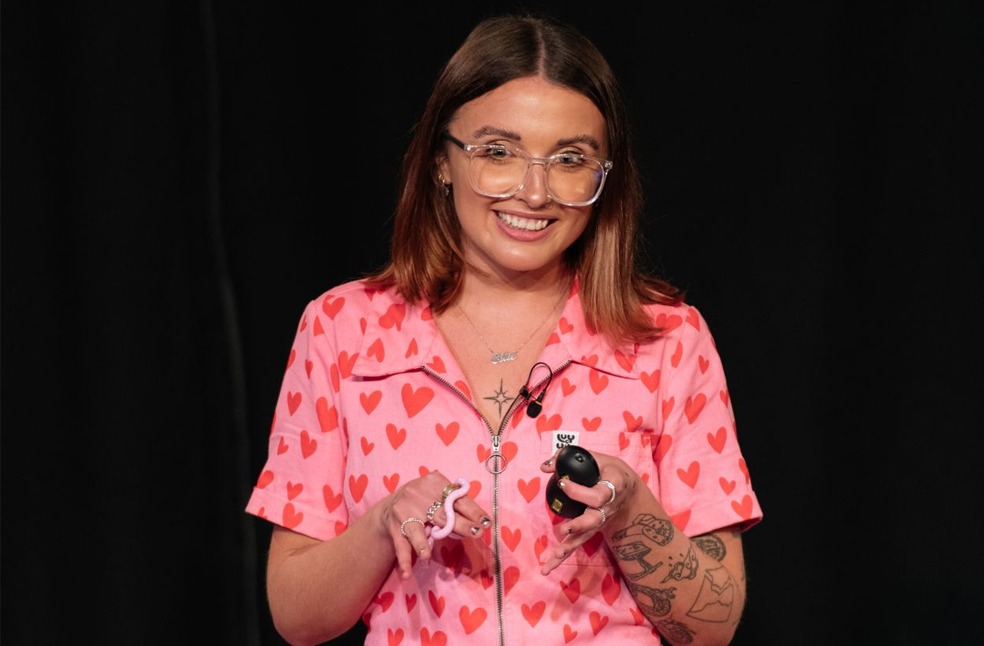
Ellie Middleton, an author and founder of an online community for neurodivergent people, remarked that she hopes the autistic Barbie will challenge widespread misconceptions that contribute to late diagnoses.
Middleton explained that she never considered she might be autistic, nor did those around her, because she had never seen anyone who looked or behaved like her represented as autistic.
The introduction of an autistic Barbie changes that narrative, Middleton noted, adding that the doll sends a clear message to young girls that it is acceptable to be autistic, to be different, and to embrace those differences with pride.
ALSO READ | India proposes smartphone source code access; Firms resist
