


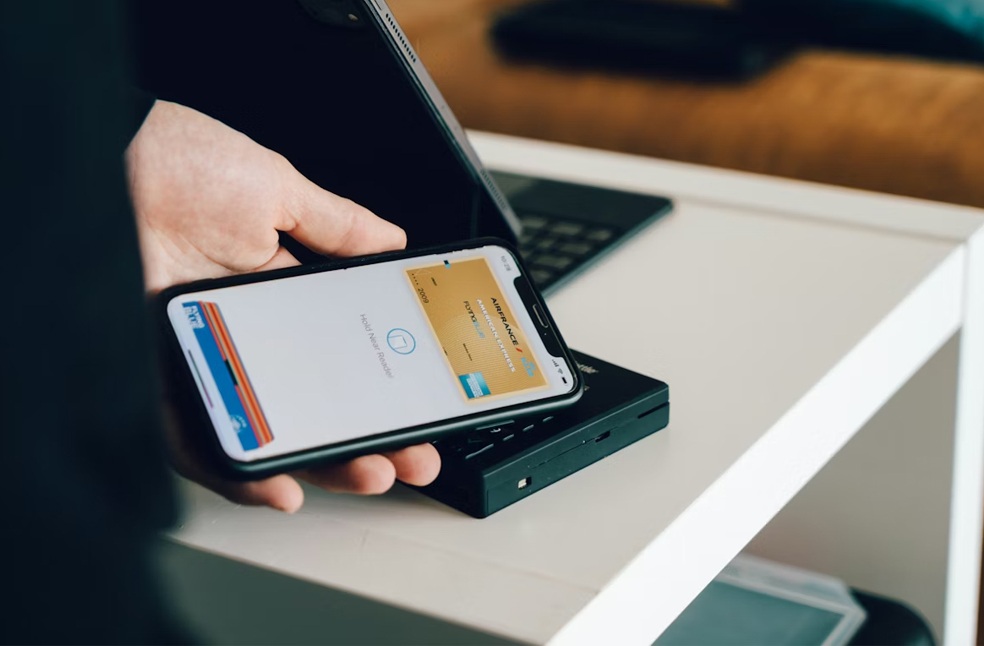
Birmingham: Banks are warning customers about a growing rise in digital wallet fraud, where criminals pose as bank officials and trick victims into approving notifications that give scammers access to their payment cards stored in digital wallets.
Financial institutions say digital wallet scams allow criminals to add victims’ cards to digital wallets such as Apple Pay or Google Pay, before draining accounts through high-value purchases. Santander said that digital wallet fraud was the second biggest cause of card scam losses last year, while HSBC reported an increase in digital wallet-related fraud cases over the past 18 months.
UK Finance, the banking trade body, said that attempts involving digital wallets have surged as improved security systems force criminals to make repeated attacks. Experts say the success of digital wallet scams lies in the fact that victims are not asked to transfer money directly.
Danai Antoniou, Chief Scientist at financial services AI firm Gradient Labs, noted that criminals often downplay security warnings linked to digital wallets, claiming they are routine messages. Victims frequently describe feeling panicked and under pressure after being told their account is under attack, leading them to approve notifications connected to digital wallets.
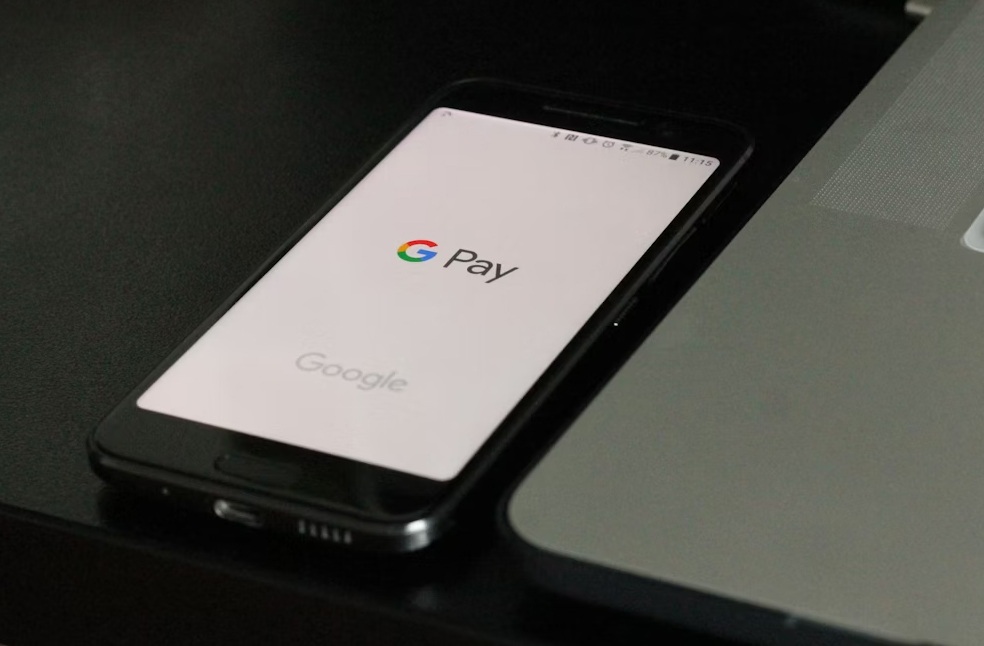
How the scam works
The fraud often begins weeks earlier with phishing messages offering fake benefits or cheap products, prompting victims to share personal and banking details. Fraudsters later call, pretending to be from the victim’s bank, using the stolen information to appear legitimate.
They then claim suspicious transactions have been blocked and ask the victim to approve a genuine bank notification or share a one-time passcode, which actually authorises the criminal to add the card to their digital wallets. Once access to a digital wallet is secured, criminals act quickly, draining accounts through purchases at technology and fashion retailers, where goods can be easily resold.
How to protect yourself
Banks stress they do not need customer assistance to secure accounts linked to digital wallets. Customers are advised never to trust unsolicited calls, to hang up and call their bank using official contact details, and to treat one-time passcodes for digital wallets with the same care as a PIN.
UK Finance also advises setting up transaction alerts, regularly checking account activity, and contacting banks immediately if digital wallet fraud is suspected. Apple remarked that the banks are responsible for approving cards added to digital wallets, while noting that it provides information to help financial institutions combat fraud.
MOST READ | Grok AI sparks global alarm over non-consensual images
