


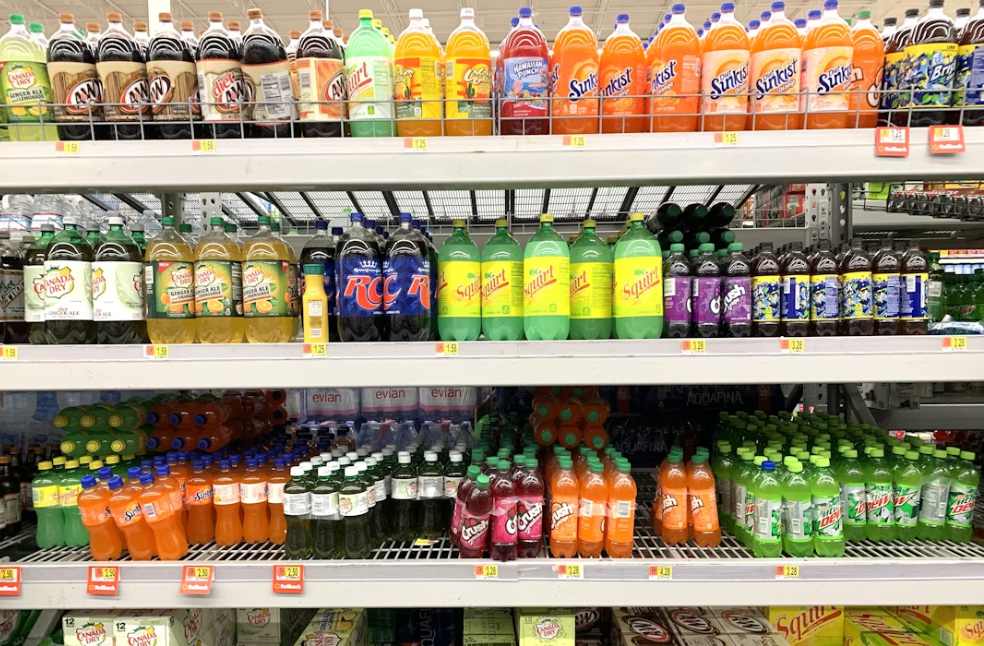
Washington: Several US states have introduced new restrictions on what items can be purchased using government food assistance benefits, with bans on products such as soda, candy and energy drinks taking effect from New Year’s Day.
The changes affect recipients of the Supplemental Nutrition Assistance Program, widely known as SNAP, and will begin in West Virginia, Utah, Indiana, Iowa and Nebraska. The measures are aimed at limiting the use of taxpayer-funded benefits for foods considered unhealthy.
Under the new rules, West Virginia and Utah will ban the purchase of sodas using SNAP benefits. Nebraska will prohibit both sodas and energy drinks, while Indiana will restrict the purchase of sodas and candy. Iowa will implement the strictest policy, banning soda, candy and other pre-packaged foods that are subject to state sales tax, including items such as sweet popcorn and chocolate-coated nuts.
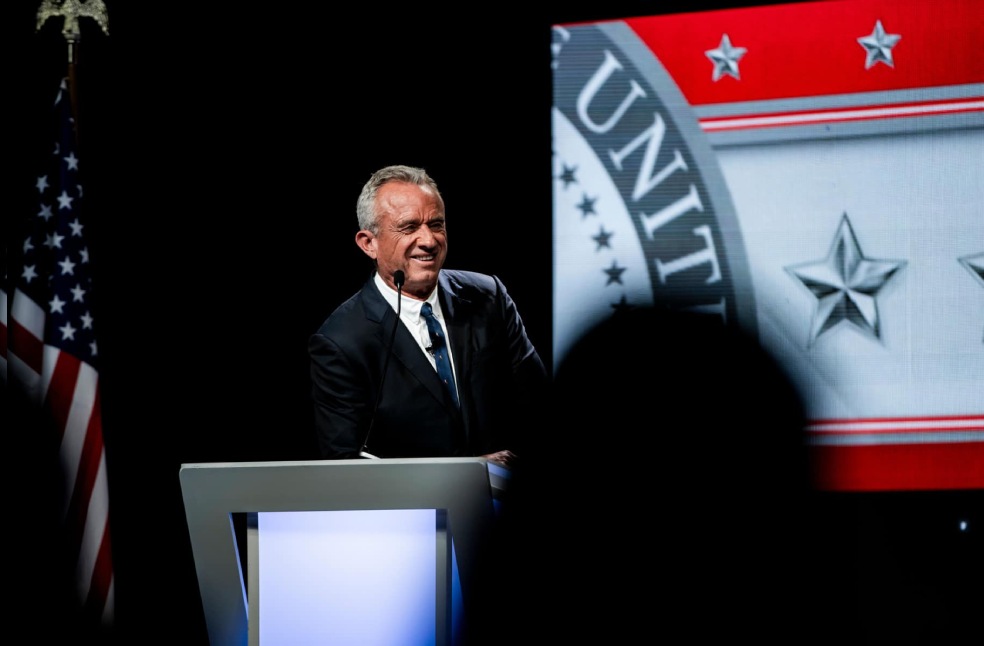
The move forms part of a broader push by US health and agriculture officials, including Health Secretary Robert F. Kennedy Jr and Agriculture Secretary Brooke Rollins, who have argued that public funds should not be used to support foods linked to rising rates of diabetes and chronic illness.
Traditionally, SNAP beneficiaries have been allowed to purchase most grocery items, with only a small number of exclusions such as alcohol, tobacco, hot foods and dietary supplements. However, 18 states have now submitted formal requests seeking permission to expand restrictions on food and drink purchases under the programme.
Additional bans are scheduled to roll out throughout 2026, with Florida and Texas planning to introduce restrictions in April, South Carolina in August, and Missouri in October.
SNAP currently supports nearly 42 million people, representing about 12 percent of the US population. Critics of the new restrictions have warned that the changes could create confusion for both recipients and retailers, and may place additional strain on an already complex food assistance system.
Opponents argue that limiting food choices does not address the root causes of poor nutrition and could make it harder for vulnerable families to access affordable food, particularly during periods of economic uncertainty.
TRENDING | Iceland records hottest Christmas Eve at 19.8C
