


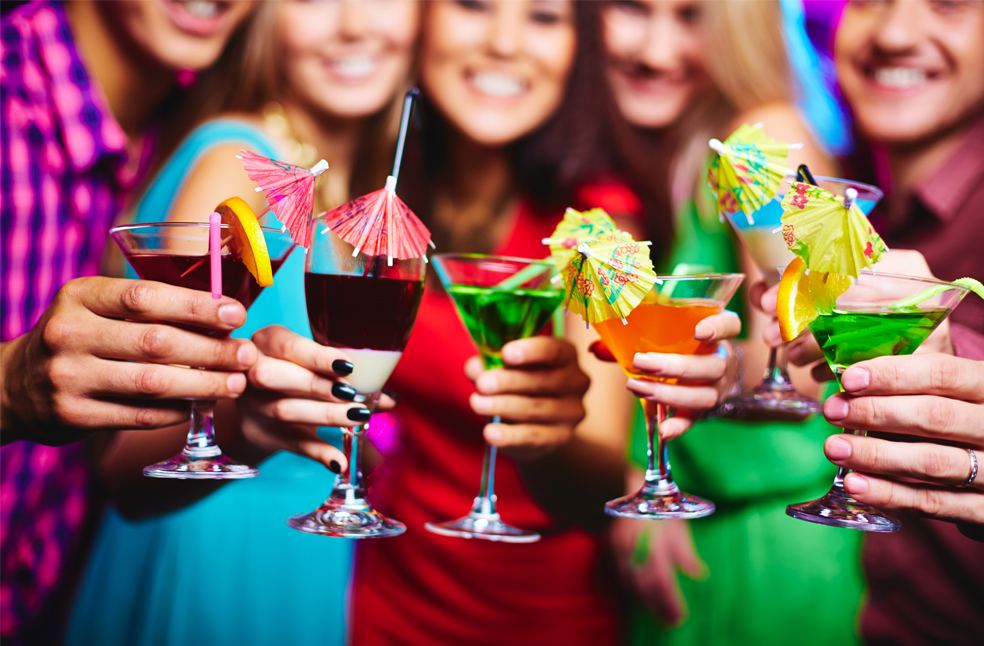
London: Christmas and New Year’s Eve celebrations were once commonly followed by next-day hangovers, but changing attitudes towards moderation have reshaped drinking habits, giving rise to a new industry buzzword: ‘coasting.’
The trend encourages consumers to opt for alcoholic drinks that are around half the strength of traditional versions, allowing them to enjoy the same number of drinks with fewer negative effects.
Coasting typically involves choosing mid-strength options such as white wine, lager, or cocktails. These drinks occupy the space between standard alcoholic beverages and no- or low-alcohol alternatives, often referred to as ‘nolo.’
While there are currently no official industry definitions, mid-strength beers and ciders typically contain around 2–3 percent alcohol by volume, wines range from 3 percent to 9 percent, and spirits usually sit between 15 percent and 20 percent.
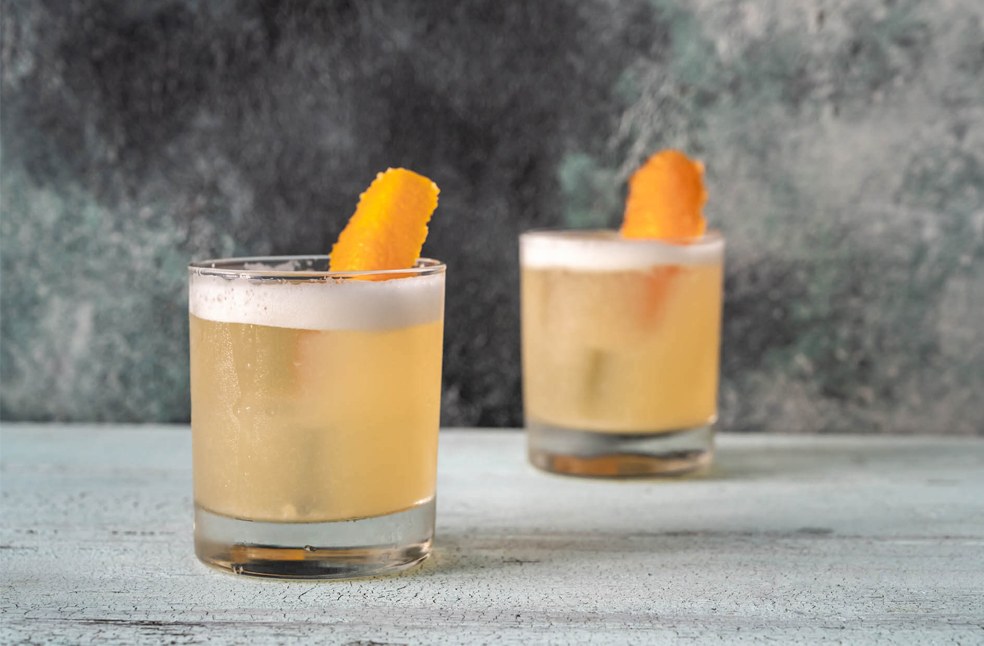
Retailers report a significant increase in demand for mid-strength drinks. Vanessa Pearson, trading manager for beers, wines, and spirits at Ocado Retail, attributed a ‘huge increase in customer interest’ to the coasting trend.
Pearson noted that Ocado’s sales of mid-strength wines rose by 4,000 percent in 2025 as the emerging category gained momentum. The rise of coasting aligns with wider evidence showing a long-term decline in alcohol consumption in the UK.
According to the latest data from drinks industry research company IWSR, the average UK adult consumed 10.2 alcoholic drinks per week in 2024. This represents the lowest level since data collection began in 1990 and marks a significant drop from a peak of 14 drinks per week recorded around two decades ago.
Despite this decline, overall abstention rates have not increased, suggesting that more moderate drinking habits, rather than total avoidance, are driving the shift. Major supermarkets, including Ocado and Waitrose, are adapting to this evolving drinking culture by expanding their ranges of mid-strength products alongside no- and low-alcohol options.
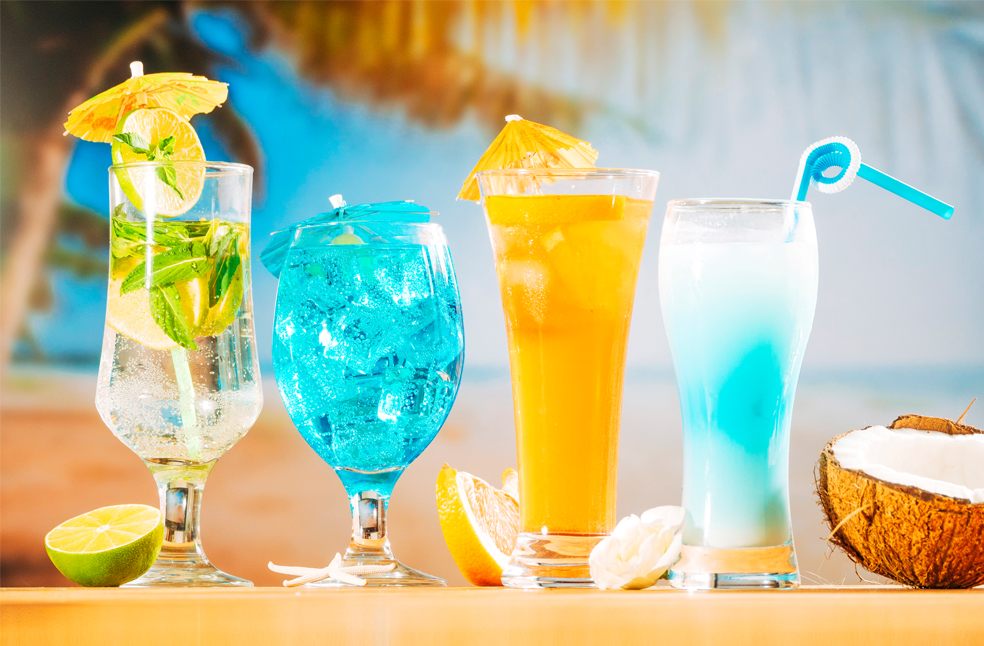
Ocado now stocks brands such as La Felicite rosé (9 percent), Nice Session sauvignon blanc (3.4 percent), and Quarter Proof gin (15 percent). Both Ocado and Waitrose also reported a rise in online searches for nolo products in the lead-up to the festive season.
Among the most sought-after alcohol-free options are Botivo, a British non-alcoholic aperitif inspired by Italian classics such as Campari and Aperol, and Mother Root, a ginger-based alcohol-free aperitif. There has also been growing interest in Bero, a new beer brand co-founded by actor Tom Holland.
Sarah Holland, a drinks buyer at Waitrose, said that consumers continue to seek ‘big flavours’ from nolo drinks, noting that demand extends beyond traditional gin alternatives.
Holland added that sales of alcohol-free cocktails and wines in cans are ‘booming.’ To meet this demand, Waitrose has recently added products such as Jukes 8’s sparkling rosé and Pentire’s alcohol-free paloma cocktail to its shelves.
To help make mid-strength drinking a mainstream choice, a group of specialist drinks brands, including Club Soda, Quarter Proof, Gentle Wines, and Small Beer, has formed the ‘mid-strength collective.’
A survey conducted on behalf of the group found that 21 percent of consumers are still drinking alcohol but consuming fewer drinks per occasion, while 13 percent are coasting through social events.
A further 6 percent practice ‘zebra striping,’ alternating between alcoholic, mid-strength, and alcohol-free drinks during the same occasion. Commenting on the findings, Blake Gladman, strategy and insight director at consultancy Kam, highlighted that the way consumers engage with alcohol is evolving.
Gladman stated that while some people are choosing alcohol-free alternatives, a growing segment is turning to mid-strength drinks as a middle ground, allowing them to extend social experiences without compromising on taste, quality, or overall enjoyment.
MOST READ | Beyoncé becomes 5th billionaire musician; Says Forbes
