


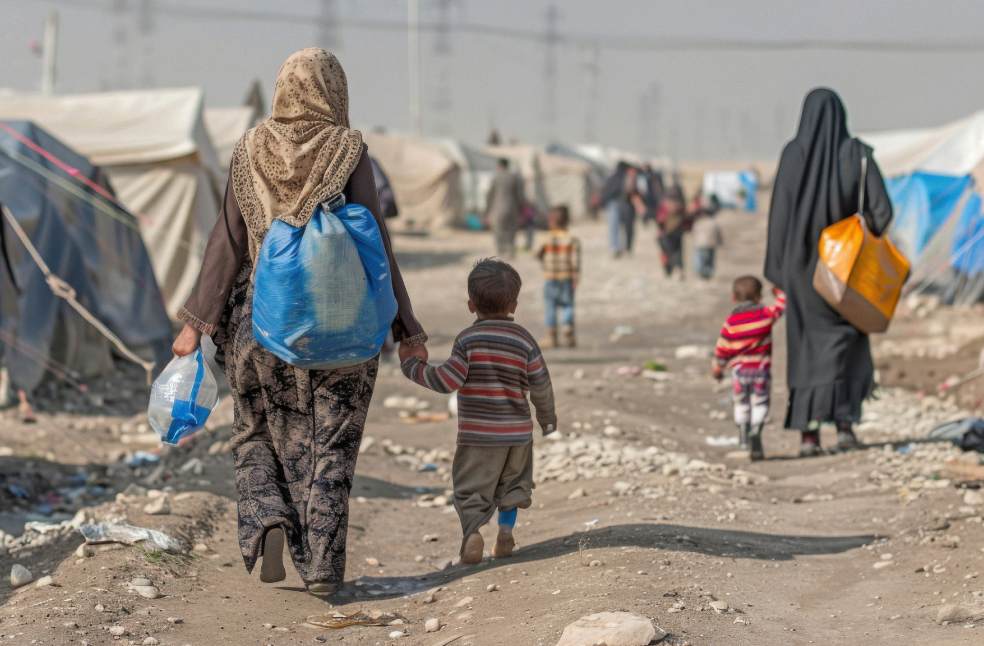
Jerusalem: Israel has announced plans to revoke the licences of 37 humanitarian organisations operating in Gaza and the occupied West Bank, a move that has drawn sharp criticism from several Western governments and international aid bodies.
Well-known international non-governmental organisations, including ActionAid, the International Rescue Committee and the Norwegian Refugee Council, are among those affected. Their licences are set to be suspended from January 1, with operations required to cease within 60 days.
Israeli authorities said the decision followed the groups’ failure to comply with new registration requirements, including the provision of what officials described as complete and verifiable personal details of staff members. The Ministry of Diaspora Affairs, which oversees the registration process, said such information was essential to prevent the infiltration of militant operatives into humanitarian structures.
The move prompted a joint statement from the foreign ministers of the UK, France, Canada, Denmark, Finland, Iceland, Japan, Norway, Sweden and Switzerland, who described the new rules as restrictive and unacceptable. They warned that forcing international aid organizations to shut down would have a severe impact on access to essential services, including healthcare.
The ministers said the humanitarian situation in Gaza remained catastrophic and urged Israel to ensure that international NGOs were able to operate in a sustained and predictable way. Israel rejected the criticism, insisting the new measures would not affect the flow of humanitarian assistance into Gaza.
The Ministry of Diaspora Affairs said aid continued to be delivered through approved and vetted channels, including UN agencies, bilateral partners and selected humanitarian organisations. It added that fewer than 15 percent of organisations assisting in Gaza were found to violate the new regulatory framework.
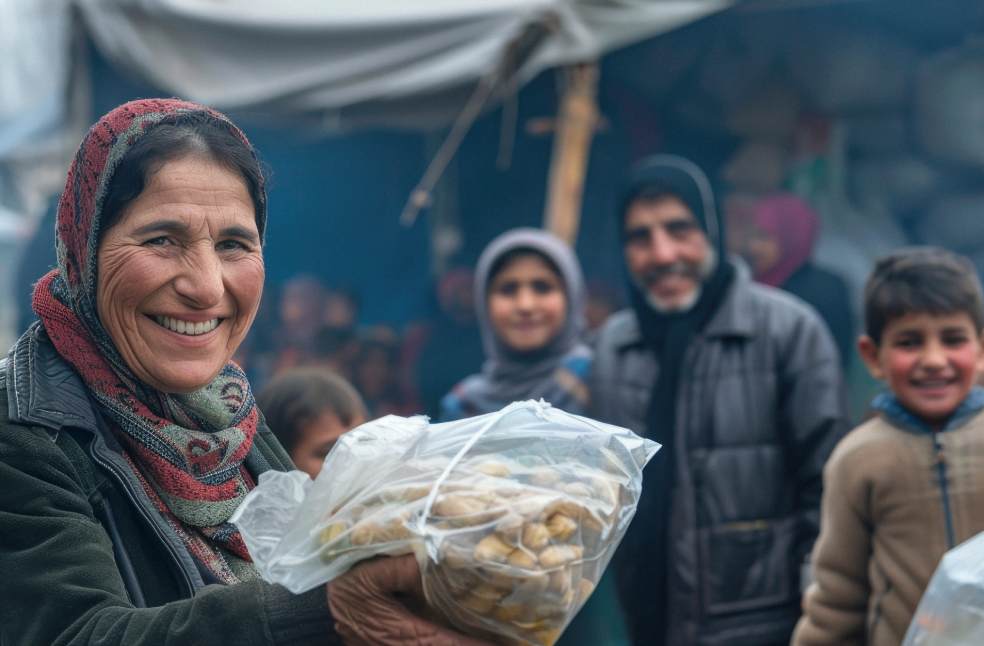
According to Israeli authorities, the suspended organisations did not deliver aid to Gaza during the current ceasefire, and their combined contribution previously amounted to about 1 percent of total aid volumes. The revised framework outlines several grounds for rejecting or revoking registration, including denying Israel’s existence as a Jewish and democratic state, denying the Holocaust or the Hamas-led attacks of October 7, 2023, supporting armed struggle against Israel, promoting boycott campaigns, or backing legal action against Israeli security forces in foreign or international courts.
Earlier this month, UN-backed experts reported improvements in nutrition and food supplies in Gaza following a ceasefire brokered between Israel and Hamas in October. However, they said around 100,000 people were still experiencing catastrophic conditions in the following month.
The Humanitarian Country Team for the Occupied Palestinian Territory, which includes UN agencies and more than 200 local and international organisations, has previously warned that the new registration system fundamentally jeopardises humanitarian operations. It noted that international NGOs currently run or support most of Gaza’s field hospitals and primary healthcare centres, emergency shelter responses, water and sanitation services, nutrition treatment centres for malnourished children and mine action activities.
Israel’s Minister of Diaspora Affairs and Combating Antisemitism, Amichai Chikli, defended the decision, stating that, “The message is clear: humanitarian assistance is welcome, the exploitation of humanitarian frameworks for terrorism is not.” Other organisations facing suspension include CARE, Medico International and Medical Aid for Palestinians.
MOST READ | Kim Jong Un oversees long-range cruise missile test
