


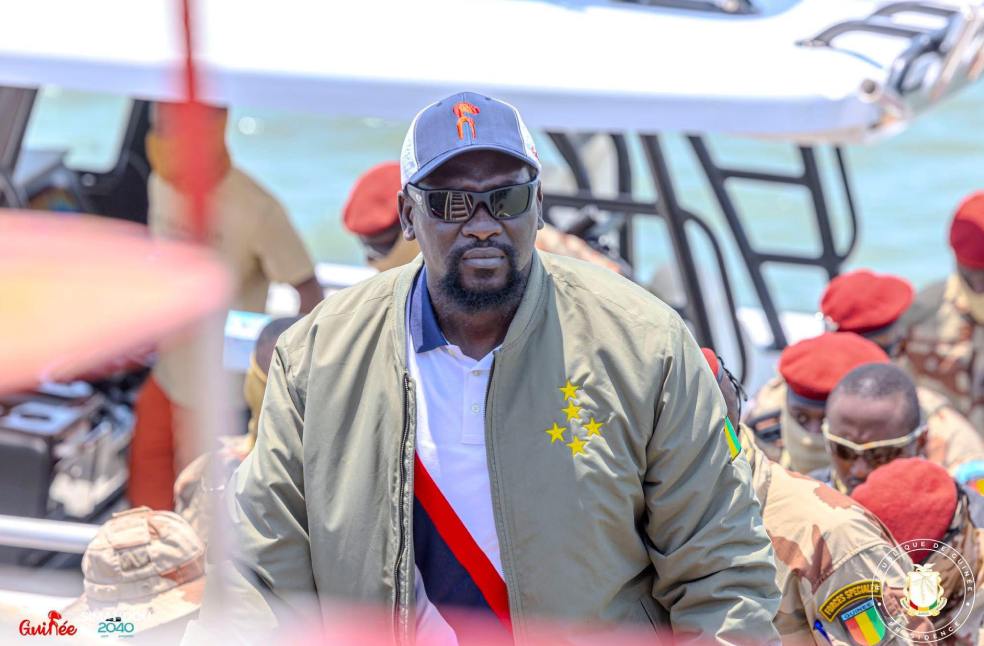
Conakry: Mamady Doumbouya has been elected president of Guinea, according to provisional results announced by electoral authorities, completing a transition process that began after the 2021 military takeover. The outcome has confirmed expectations following a tightly managed vote held on December 28.
Mamady Doumbouya, a former special forces commander, has secured 86.72 percent of the vote, an absolute majority that eliminates the need for a second round. The Supreme Court has eight days to review and validate the results if any legal challenges are submitted. The win grants Doumbouya a seven-year presidential mandate.
The election has followed a turbulent political period in Guinea, a bauxite- and iron ore-rich West African nation that has experienced repeated instability. Doumbouya seized power in 2021 after removing long-serving president Alpha Condé, whose tenure began in 2010. The takeover formed part of a broader wave of coups that has reshaped political leadership across West and Central Africa since 2020.
Although Guinea’s original post-coup charter barred junta members from contesting elections, those restrictions were removed after a new constitution was approved in a September referendum. This change cleared the path for Mamady Doumbouya to run for office, facing a fragmented field of eight challengers.
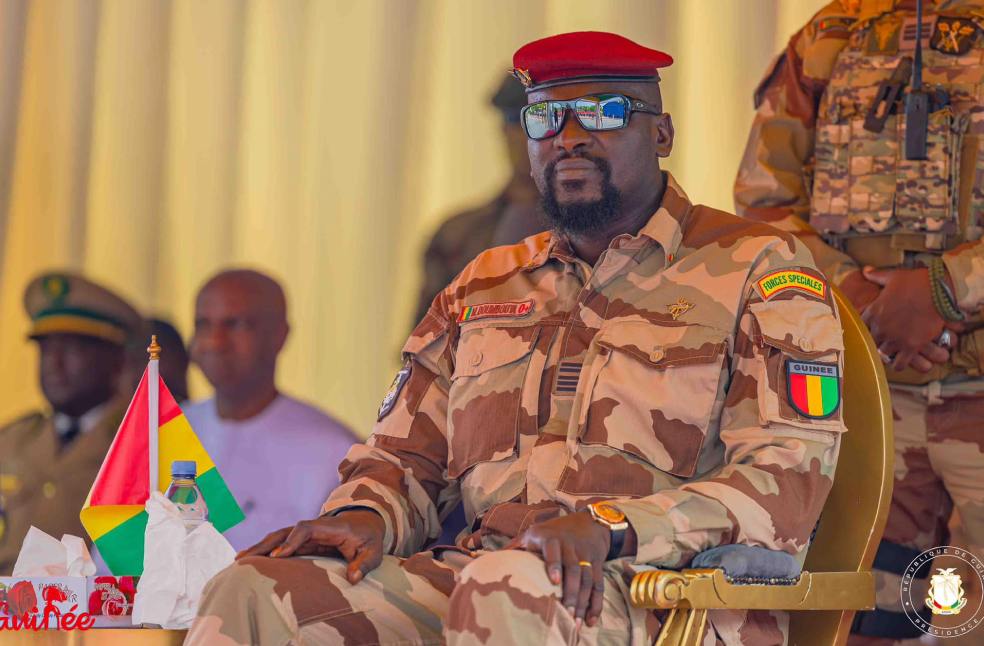
Election commission chief Djenabou Touré announced that voter turnout stood at 80.95 percent. However, participation in the capital, Conakry, appeared subdued, and opposition figures disputed similar turnout figures reported during the constitutional referendum earlier this year.
Guinea holds the world’s largest bauxite reserves and the vast untapped iron ore deposit at Simandou, which was officially launched last month after years of delays. Doumbouya has credited the administration’s policies with advancing the project and securing greater national benefit from natural resources.
The government has also moved towards stronger resource control, including revoking the licence of Guinea Alumina Corporation, a subsidiary of Emirates Global Aluminium, following a refinery dispute. The assets were transferred to a state-owned entity, reinforcing a broader trend of resource nationalism seen across the Sahel region.
Doumbouya’s popularity has been bolstered by these economic measures and by generational appeal in a country where the median age is about 19. The coming weeks will determine how the new presidency balances civilian governance expectations with long-term political stability.
POPULAR | Khaleda Zia, Bangladesh’s first female prime minister, dies at 80
