


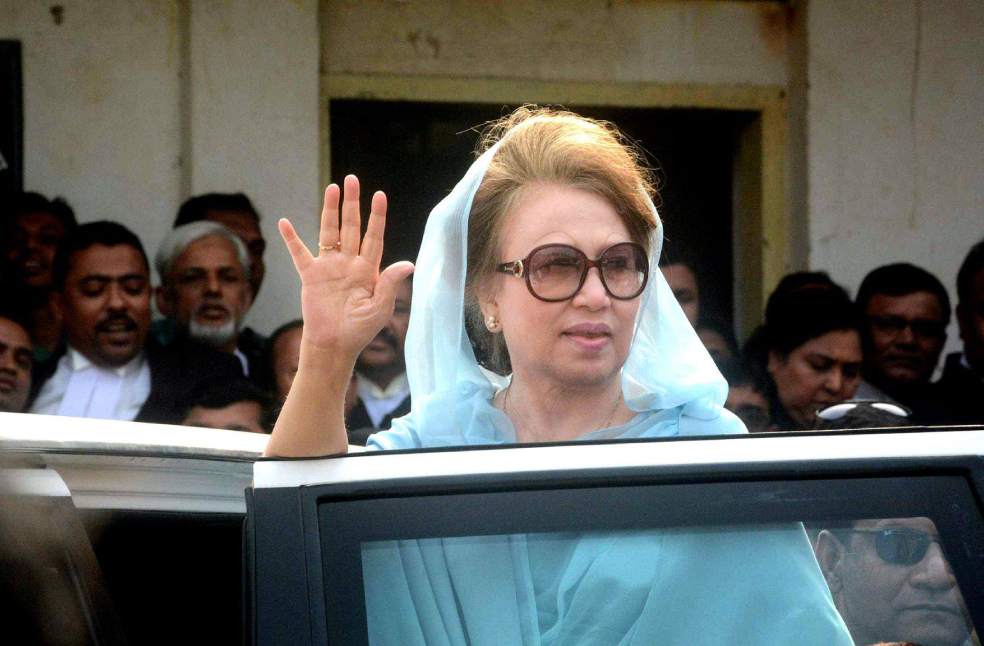
Dhaka: Khaleda Zia has passed away at a hospital in Dhaka after doctors described the condition as extremely critical in the final hours.
Physicians had placed Khaleda Zia on life support, but medical teams said multiple treatments could not be administered simultaneously because of age-related complications and overall health deterioration.
Khaleda Zia became Bangladesh’s first female prime minister in 1991 after leading the Bangladesh Nationalist Party to victory in the country’s first democratic election in two decades. The election followed years of military rule and marked a turning point in Bangladesh’s democratic transition.
Despite declining health, party officials had earlier stated that Khaleda Zia planned to contest the general elections expected in February. These elections were set to be the first since the political upheaval that led to the removal of long-time rival Sheikh Hasina from power.
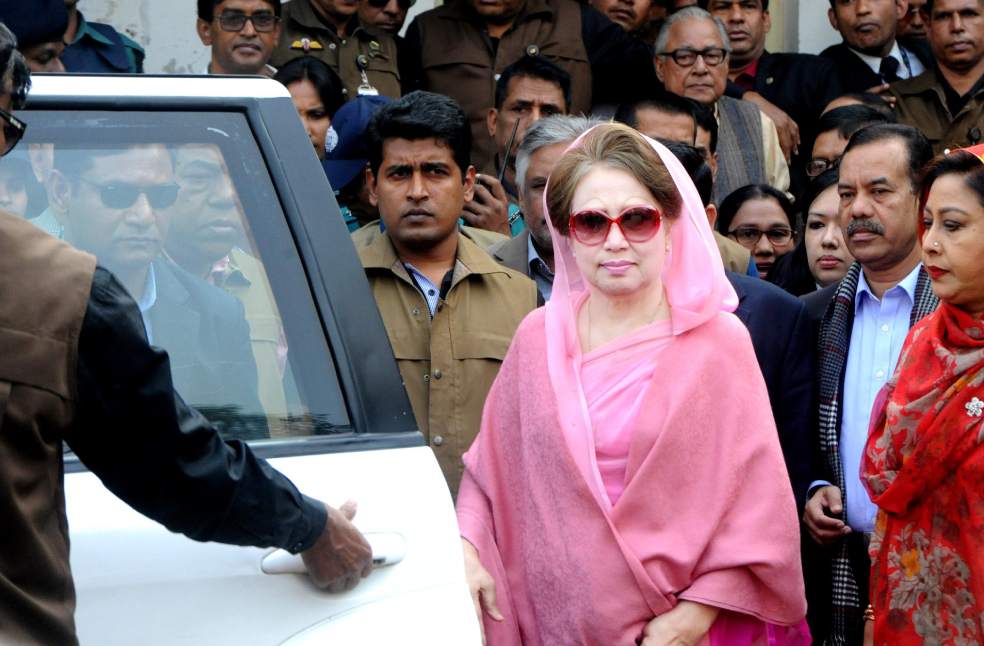
Bangladesh’s political landscape has long been defined by the rivalry between Khaleda Zia and Sheikh Hasina, with both leaders alternately occupying positions in government and opposition. The rivalry shaped policy debates, governance styles, and political alignments for more than three decades.
Crowds gathered outside Evercare Hospital after news of the death broke, prompting police to control access to the premises. Party supporters expressed grief as security personnel managed the situation outside the hospital.
Khaleda Zia first entered public life as the wife of former president Ziaur Rahman, whose assassination in a military coup in 1981 altered the country’s political direction. Following the assassination, Khaleda Zia entered politics and later rose to lead the Bangladesh Nationalist Party.
After a brief second term in 1996, Khaleda Zia returned as prime minister in 2001, remaining in office until stepping down in October 2006 ahead of a general election. The political career of Khaleda Zia has also been marked by corruption allegations and prolonged confrontations with rival political forces.
POPULAR | Progress claimed in Ukraine talks as key disputes persist
