


London: Spending more time indoors during Christmas and New Year can reduce exposure to outdoor air pollution, but experts warn it may also increase pollution levels inside homes as everyday activities trap harmful particles indoors.
The dangers of secondhand tobacco smoke are well established, with clear evidence showing improvements in public health following indoor smoking bans.
One study examining 47 indoor smoking bans in public places found hospital admissions for heart attacks fell by an average of 12 percent. However, awareness of other indoor air pollutants and how to reduce them remains relatively low.
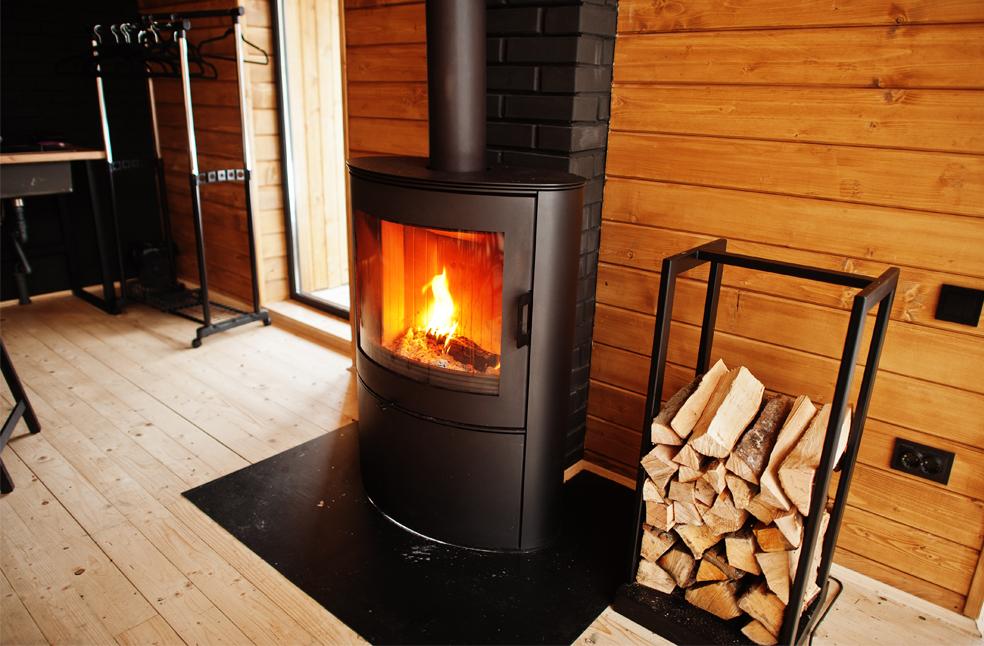
Dr. James Heydon and a research team from the University of Nottingham monitored indoor air pollution in 20 UK homes over four weeks. Each home was fitted with a Defra-approved wood-burning stove, exempt from use in smoke control areas. The study found that wood burning caused sharp spikes in indoor air pollution, particularly during routine stove use.

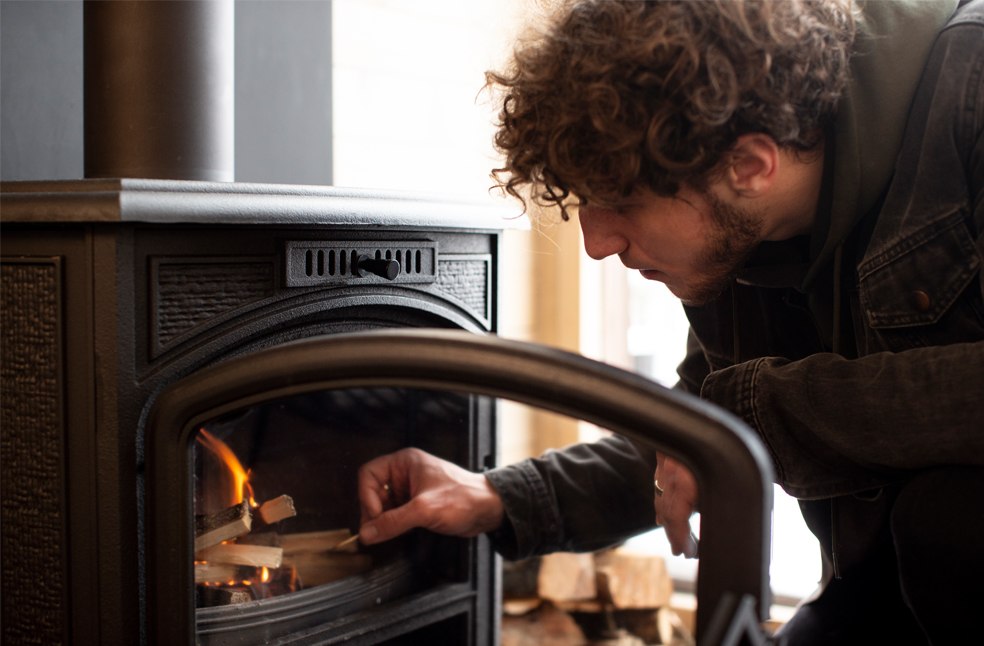
“We found that wood burning can trigger sharp increases in indoor air pollution. The biggest rises were linked to everyday stove management, such as lighting the stove, opening the door to refuel, and tending the fire,” Dr. Heydon noted.
Similar findings were reported by research teams from Imperial College London and the University of Surrey, based on studies carried out in homes across south-east England and Cornwall.
Dr. Heydon advised that people using wood-burning stoves can reduce indoor pollution by refuelling less frequently, opening the stove door as slowly and briefly as possible, and avoiding frequent top-ups. He also highlighted the importance of ventilation and suggested not lighting fires when children or people with existing health conditions are in the same room.
The impact of wood and coal burning can also extend beyond individual households. Using freedom of information requests, campaign group Mums for Lungs found that around 15,000 complaints are made to local councils each year about smoke from neighbours’ fires.
Dr. Heydon stressed that recognising wood-burning stoves are not harmless appliances is a key step in reducing exposure. He added that simple measures, such as avoiding stove use on poor air quality or low-wind days, improving ventilation, and limiting refuelling, can significantly reduce pollution levels.
Cooking is another major contributor to indoor air pollution. Professor Sarah West from the University of York, part of the Ingenious study, monitored air quality in 310 homes in Bradford and found that the highest levels of particle pollution were linked to cooking, with frying identified as a particularly significant source.
Professor West said that her advice is straightforward: ‘Pan on, fan on.’ The research team even produced magnets for cooker hoods to remind people to switch on extractor fans when cooking. They also recommend turning on extractors or opening windows when using cleaning products and scented sprays indoors to help reduce pollution buildup.
MOST READ | Pope Leo urges care for strangers in Christmas address
