


Brussels: US visa bans have drawn sharp condemnation from European leaders after Washington barred five prominent figures involved in regulating American technology companies, escalating a growing transatlantic dispute over digital governance and free speech.
The restrictions have targeted Thierry Breton, the former European Union commissioner central to drafting the Digital Services Act, along with four anti-disinformation campaigners based in Germany and the UK. European governments have argued that the measures represent political pressure aimed at weakening Europe’s ability to regulate its own digital space.
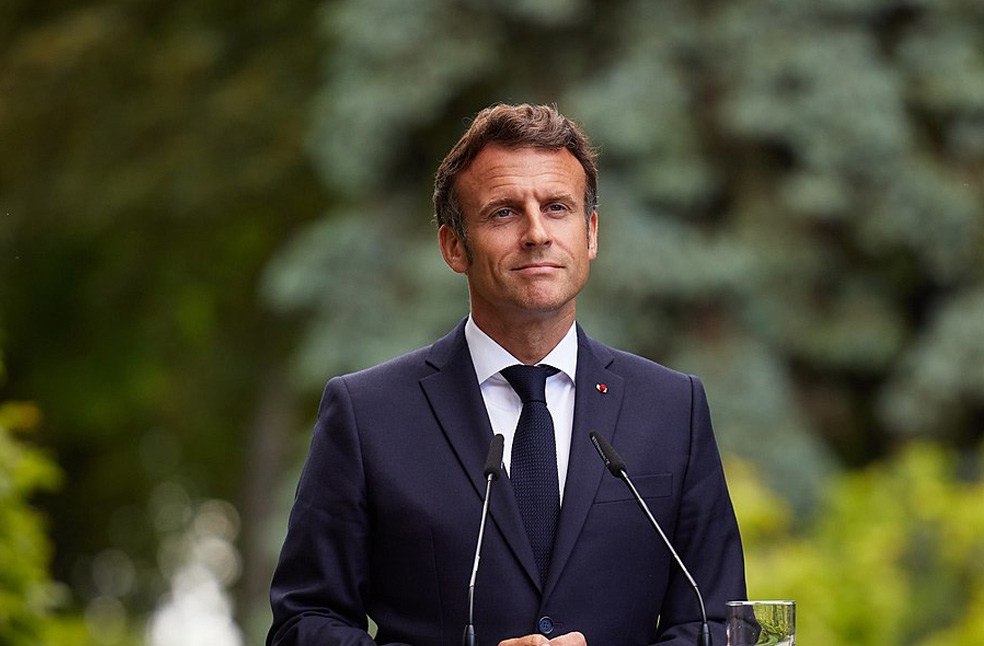
France’s president Emmanuel Macron has accused Washington of coercion and intimidation, stating that Europe’s digital rules were adopted through a democratic and sovereign process. Macron has stressed that the regulations apply only within Europe and are designed to ensure fair competition while tackling illegal content and disinformation online.
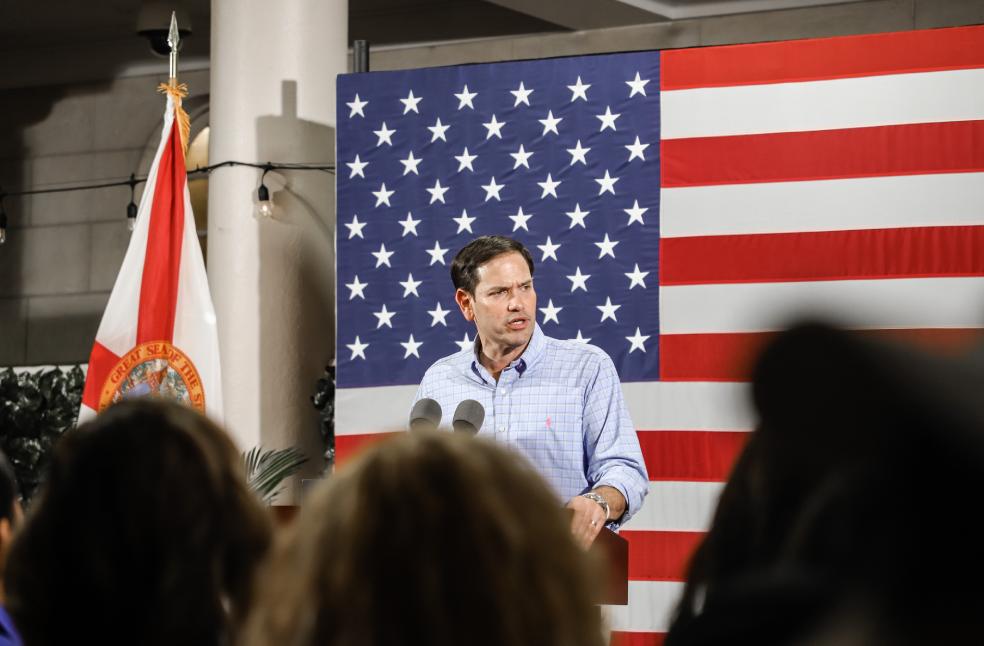
US secretary of state, Marco Rubio, wrote on X, “For far too long, ideologues in Europe have led organised efforts to coerce American platforms to punish American viewpoints they oppose. The Trump administration will no longer tolerate these egregious acts of extraterritorial censorship.”
Germany, Spain and the UK have joined France in criticising the US visa bans, while the European Commission has warned that it could respond decisively if such actions continue. Brussels has framed the issue as a matter of regulatory autonomy rather than censorship, rejecting claims from Washington that the Digital Services Act restricts freedom of expression.
The dispute has unfolded against a backdrop of wider tensions between the US and Europe over technology, artificial intelligence and digital power. European leaders have warned that the conflict risks deepening political and economic divisions, particularly as digital platforms play an increasingly central role in public debate and democratic processes.
Germany’s justice ministry has described the visa bans as unacceptable, expressing solidarity with campaigners affected by online abuse. Spain’s foreign ministry has also rejected the US position, stating that protecting democratic discourse online is a shared responsibility.
European officials have emphasised that the Digital Services Act was supported by all 27 EU member states and passed with overwhelming backing in the European Parliament. The controversy has reinforced calls within Europe for a stronger defence of digital sovereignty as relations with Washington face renewed strain.
POPULAR | Amazon blocks over 1,800 North Koreans from job applications
