


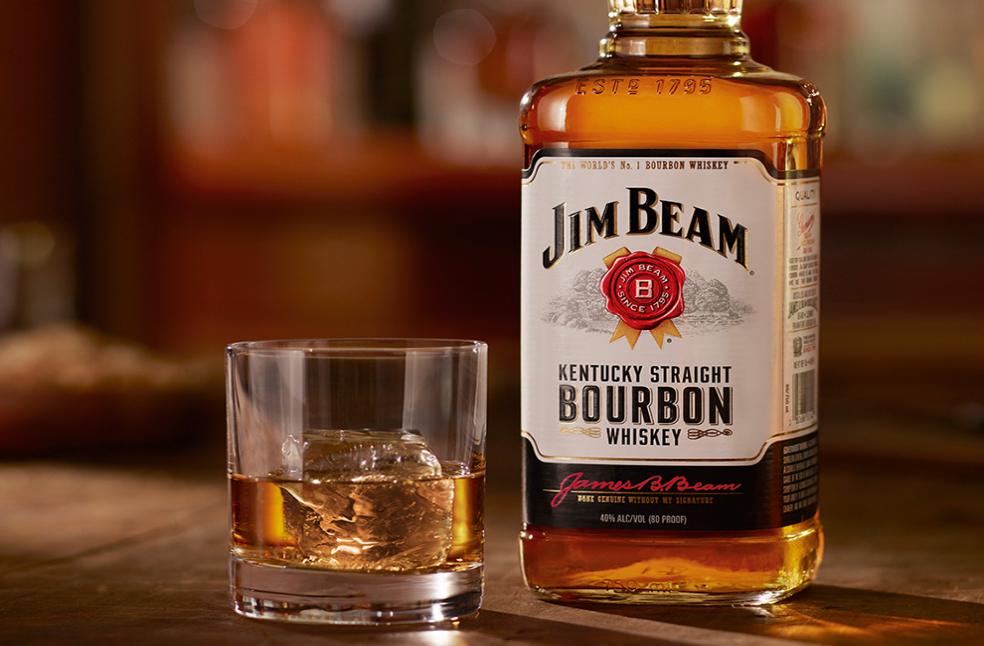
Kentucky: Jim Beam has announced that production at its main Kentucky distillery has been halted for the whole of 2026, as the bourbon maker reassesses output levels amid record stockpiles and mounting pressure from global trade tensions.
The pause has been framed as an opportunity to invest in site upgrades while managing supply in a challenging market. The company, owned by Suntory Global Spirits, has said the distillery will remain closed throughout next year while improvements are carried out at the site.
Jim Beam has explained that production levels are being reviewed to better match consumer demand and longer-term market conditions, following discussions with staff about projected volumes for 2026.
Despite the production halt at the flagship site, Jim Beam has confirmed that its other Kentucky operations will continue to function. These include a separate distillery, along with bottling and warehousing facilities across the state. The company employs more than 1,000 people in Kentucky and has said it is assessing how best to deploy its workforce during the pause, while holding talks with the workers’ union.
The decision has come at a time of growing uncertainty for bourbon producers in Kentucky, a state globally associated with the spirit. In October, the Kentucky Distillers’ Association reported that bourbon inventories across the state had reached a record level of more than 16 million barrels. Those barrels, which are subject to state taxation, have reportedly cost distillers about $75 million (£56 million) this year.
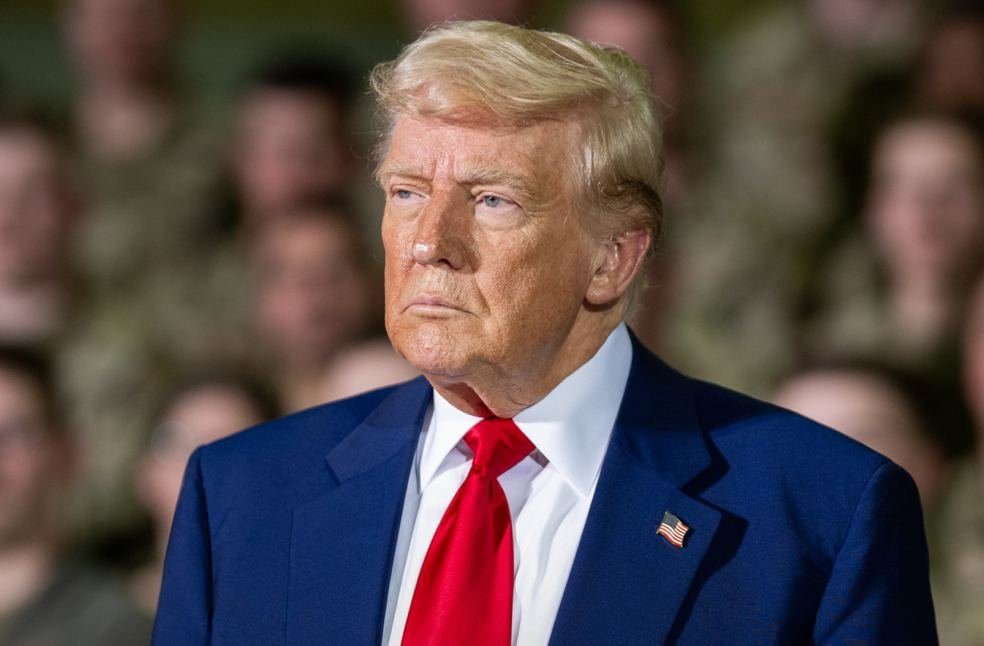
Jim Beam’s move has also reflected wider pressures linked to international trade. US distillers have faced retaliatory tariffs after trade measures announced by Donald Trump earlier this year resulted in higher duties on American exports.
The Kentucky Distillers’ Association has said that much of the industry’s expansion over the past decade was aimed at global growth and has called for a return to reciprocal, tariff-free trade. Sales have also been affected by strained trade relations between the US and Canada. Earlier this year, several Canadian provinces boycotted American spirits, further weighing on demand at a time when warehouses are already full.
While Jim Beam has described the pause as temporary and strategic, the decision has underlined the scale of the adjustment facing the US bourbon industry as it balances production capacity, global demand and rising costs in an increasingly volatile trade environment.
TOP PICKS | Google, Apple warns US visa staff to avoid overseas travel
