


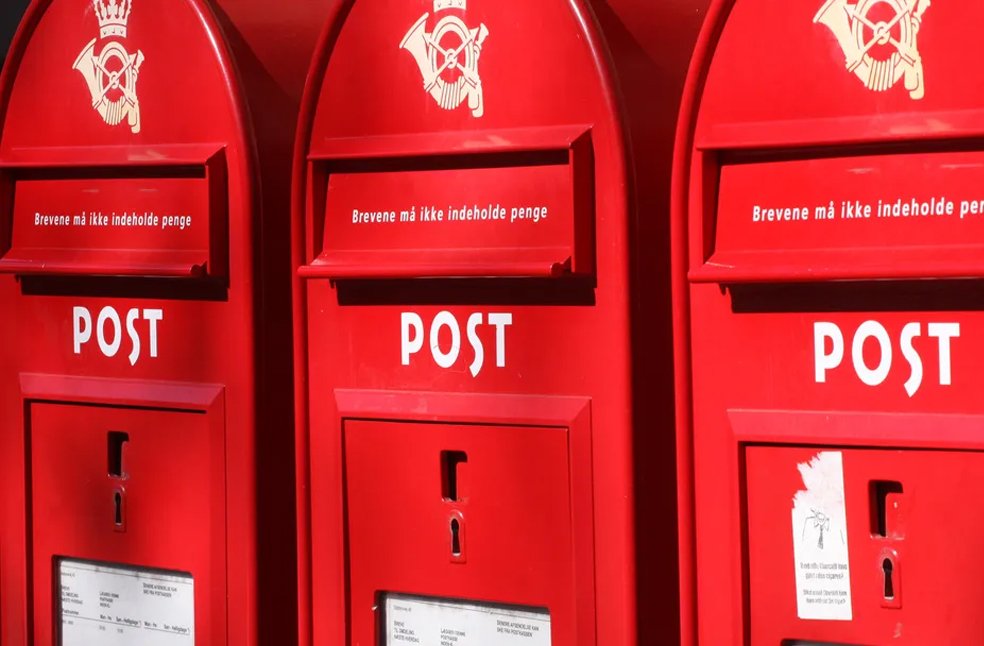
Copenhagen: PostNord, Denmark’s national postal service, will deliver its final letter on 30 December, closing a chapter that spans more than four centuries of letter delivery in the country.
The move marks the end of a service that has existed since 1624, as Denmark completes its transition into one of the world’s most digitalised societies. PostNord, which was formed in 2009 through the merger of the Danish and Swedish postal services, announced earlier this year that it would stop delivering letters in Denmark.
The decision will lead to the loss of 1,500 jobs and the removal of 1,500 red postboxes, as the company shifts its focus entirely to parcel delivery amid the continued growth of online shopping. Describing Denmark as ‘one of the most digitalised countries in the world,’ PostNord said that the demand for physical letters has ‘fallen drastically’ while parcel volumes have continued to rise.
Over the past 25 years, letter-sending in Denmark has declined by more than 90 percent, making the service commercially unsustainable. While PostNord will cease letter delivery in Denmark, it will continue to deliver letters in Sweden and has said it will refund unused Danish stamps for a limited time.
The removal of Denmark’s iconic postboxes has sparked public interest. Around 1,000 dismantled postboxes were sold within just three hours earlier this month when they were put up for sale, priced at 2,000 Danish kroner (£235) for those in good condition and 1,500 kroner (£176) for more worn examples.
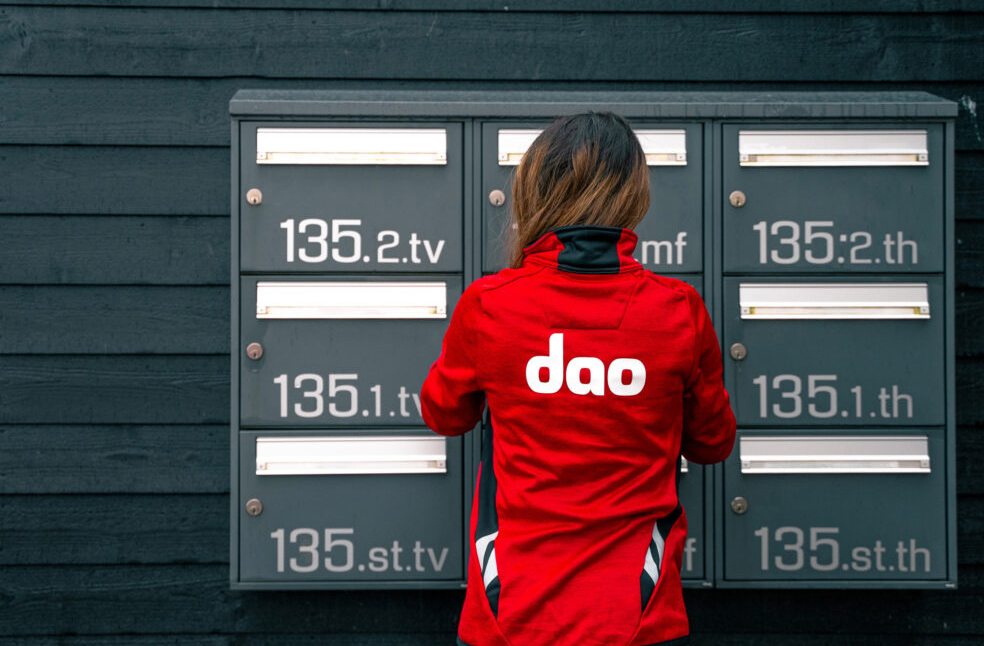
A further 200 postboxes are scheduled to be auctioned in January. Despite PostNord’s exit, letter delivery will continue through private delivery company Dao, which already operates letter services in Denmark.
From 1 January, Dao plans to expand its operations significantly, increasing delivery volumes from about 30 million letters in 2025 to 80 million the following year. Customers will need to post letters at Dao shops or pay extra for home collection, with postage purchased digitally or via an app.
Danish law requires that the option to send letters must remain available. Government sources have said that if Dao were to stop delivering letters, authorities would be legally obliged to appoint another provider. A source close to the transport ministry said there would be no ‘practical difference’ for the public, describing the change as largely ‘sentimental.’

However, others see deeper implications. Magnus Restofte, Director of Copenhagen’s Enigma Museum of Post, Telephony and Communication, warned that once physical post disappears, returning to it would be extremely difficult, particularly in a country so dependent on digital systems.
Denmark’s MitID national digital identity system, used for banking, official documents, and healthcare access, ensures that most government communication is sent via ‘digital post.’ Today, 97 percent of residents aged 15 and over are enrolled in MitID, and only 5 percent have opted out of digital mail.
While many younger Danes have never sent a physical letter, research suggests a small revival in letter-writing among 18- to 34-year-olds, who reportedly send two to three times more letters than other age groups. Trend researcher Mads Arlien-Søborg attributes this to young people seeking a counterbalance to digital saturation, turning letter-writing into a deliberate, meaningful choice.
Announcing the decision earlier this year, Kim Pedersen, Deputy Chief Executive of PostNord Denmark, said ending letter delivery was a difficult step after 400 years of history, but added that the continued and sharp decline in letter volumes meant the service was no longer financially viable.
MOST READ | Bondi Beach attack triggers Australia’s largest gun buyback
