


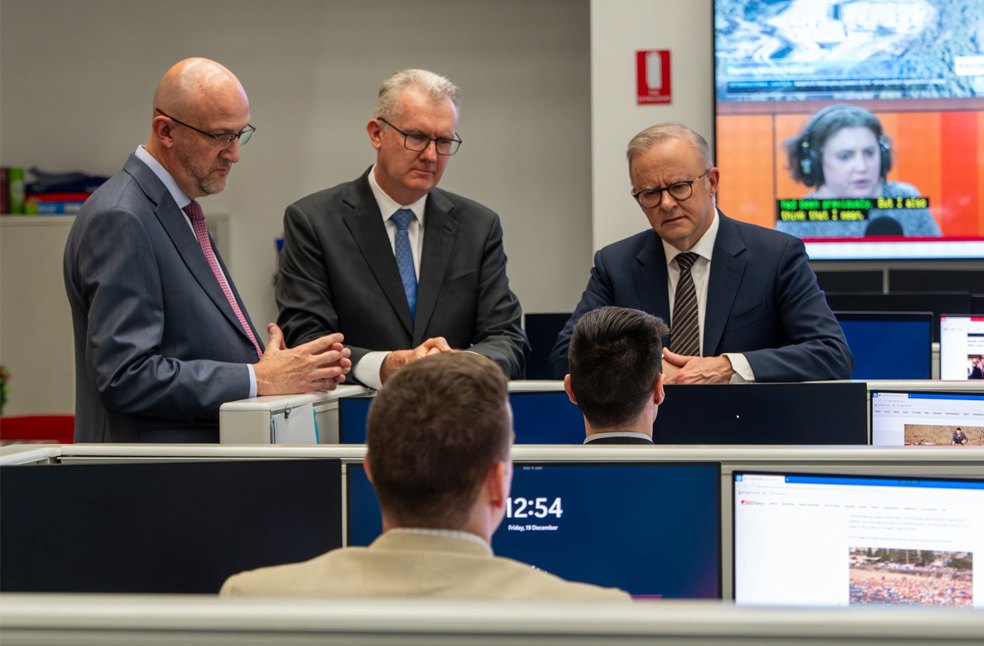
Sydney: The Australian government has announced a nationwide gun buyback scheme following the Bondi Beach attack, the country’s deadliest mass shooting in decades. The move marks the largest firearms buyback since the 1996 Port Arthur massacre, which killed 35 people and led to Australia introducing some of the world’s strictest gun control laws.
The Bondi Beach Attack occurred on December 14 when two gunmen opened fire at a Jewish festival at Australia’s most iconic beach, killing 15 people and injuring dozens more. Authorities noted that, the attackers were motivated by Islamic State ideology, and police have formally declared the attack a terrorist incident.
Investigators allege the Bondi Beach attack was carried out by a father-and-son pair. Naveed Akram, 24, has been charged with 59 offences, including 15 counts of murder and one count of committing a terrorist act. His father, Sajid Akram, was killed during the attack.
We’re getting dangerous guns off our streets with a national buyback.
— Anthony Albanese (@AlboMP) December 19, 2025
In response to the Bondi Beach attack, the national cabinet, comprising federal government representatives and leaders of all states and territories, met the following day and agreed to further tighten gun control measures across Australia.
Speaking to the media on December 19, Prime Minister Anthony Albanese said that Australia now has more than four million firearms, exceeding the number in circulation at the time of the Port Arthur massacre. PM highlighted concerns that one of the terrorists involved in the Bondi Beach attack legally held a firearms licence and owned six guns, despite living in the middle of Sydney’s suburban areas.
Australian Federal Police Commissioner Krissy Barrett noted that reducing the number of firearms in the community would require multiple measures, with a buyback scheme forming a critical part of the solution. “If you’re going to reduce the number of guns, then a buyback scheme has to be a piece of that puzzle,” Barrett stated.
Under the new initiative announced after the Bondi Beach attack, the federal government and the states and territories will jointly fund the scheme on a 50–50 basis. The programme will buy back surplus firearms, newly banned weapons, and illegal guns, with the government estimating that hundreds of thousands of firearms will be collected and destroyed.
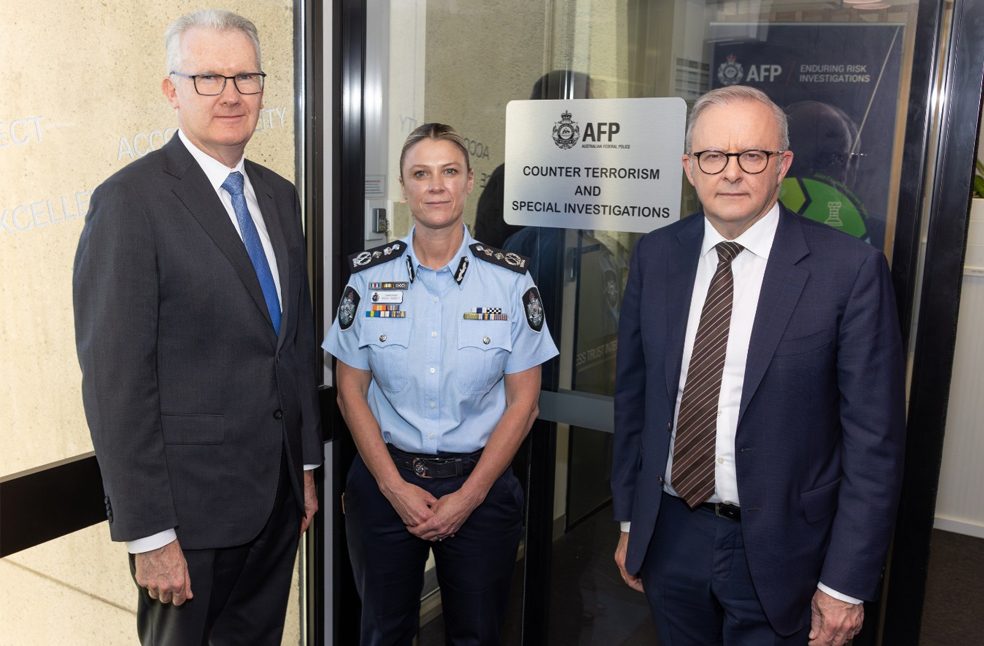
The National Cabinet also agreed to introduce limits on the number of firearms any individual can own, restrict open-ended firearms licences, tighten controls on the types of guns that are legal, and make Australian citizenship a requirement for holding a firearm licence. In addition, work on a national firearms register will be accelerated, and firearms regulators will be granted improved access to criminal intelligence.
Separately, on December 19, New South Wales Police emphasized that there was no ongoing reason to continue detaining a group of seven men arrested in Sydney over their extremist Islamic ideology in the days following the Bondi Beach attack. Authorities said the men would be released but would remain under monitoring.
Tactical police units intercepted the group in the Sydney suburb of Liverpool on December 18 after they travelled from Victoria and were already known to police there. Officers recovered a knife, but found no firearms or other weapons.
NSW Police Commissioner Mal Lanyon highlighted that there was no confirmed link between the men and those responsible for the Bondi Beach attack, although Bondi Beach was among several locations the group had planned to visit. “Whilst this specific threat posed by the males is unknown, I can say that the potential for a violent offence being committed was such that we were not prepared to tolerate the risk.”
ALSO READ | Apple opens iPhones to alternative app stores in Japan
