


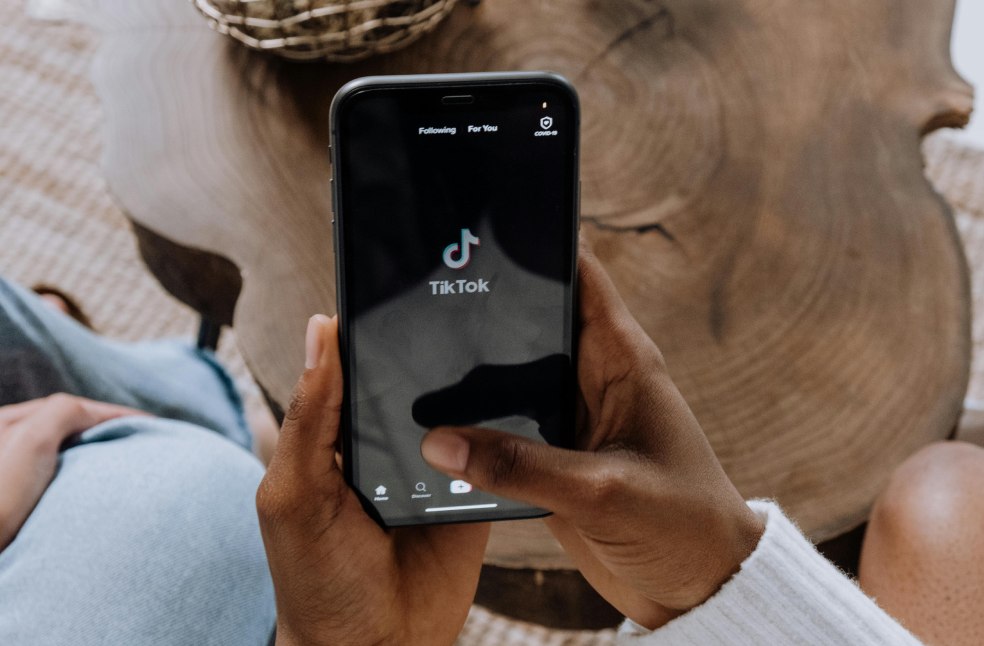
United States: TikTok’s Chinese owner ByteDance has signed binding agreements with US and global investors that will give them majority ownership of the company’s American business, TikTok chief executive Shou Zi Chew told employees in a memo.
Under the deal, a newly formed joint venture will see 50 percent ownership held by a consortium of investors including Oracle, Silver Lake and Abu Dhabi-based investment firm MGX. The transaction is expected to close on January 22, potentially ending years of political and legal uncertainty surrounding the popular video-sharing app in the United States.
ByteDance will retain a 19.9 percent stake in the US business, while Oracle, Silver Lake and MGX will each hold 15 percent. A further 30.1 percent will be owned by affiliates of existing ByteDance investors, according to the internal memo.
The agreement follows prolonged pressure from Washington over national security concerns related to data privacy and potential Chinese government influence. In April 2024, during former President Joe Biden’s administration, the US Congress passed legislation requiring TikTok to be sold or banned in the country.
Enforcement of that law, originally due to take effect on January 20, 2025, was repeatedly delayed by President Donald Trump after he returned to office, as his administration worked to finalise a deal.
TikTok said the agreement would allow over 170 million Americans to continue discovering a world of endless possibilities as part of a vital global community.

The White House has previously said Oracle will license TikTok’s recommendation algorithm under the terms of the deal, with the algorithm to be retrained using American user data to reduce the risk of external manipulation. Trump said in September that Chinese President Xi Jinping had given the arrangement his approval, though the app’s future remained uncertain after the two leaders met in October.
Oracle and Silver Lake declined to comment on the agreement, while MGX has been contacted for comment. The White House referred inquiries to TikTok. The deal has drawn criticism from some US lawmakers. Senator Ron Wyden, a Democrat from Oregon, said the arrangement would not do a thing to protect the privacy of American users and questioned whether the algorithm would truly be placed in safer hands.
Wyden opposed the 2024 law and had pushed for extending the deadline to give Congress more time to address security concerns. Some TikTok users and creators have also voiced caution. Tiffany Cianci, a small business owner with more than 300,000 followers on the platform, said she hopes the new ownership structure will preserve the existing user experience for entrepreneurs.
TikTok says more than seven million small businesses in the US use the platform to market their products and services. Cianci, who has helped organise protests in Washington and online to oppose a ban, said she would reserve judgment on whether the deal truly secures the app’s future for small businesses.
MOST READ | Australia to tighten hate speech laws after antisemitic attack in Sydney
