


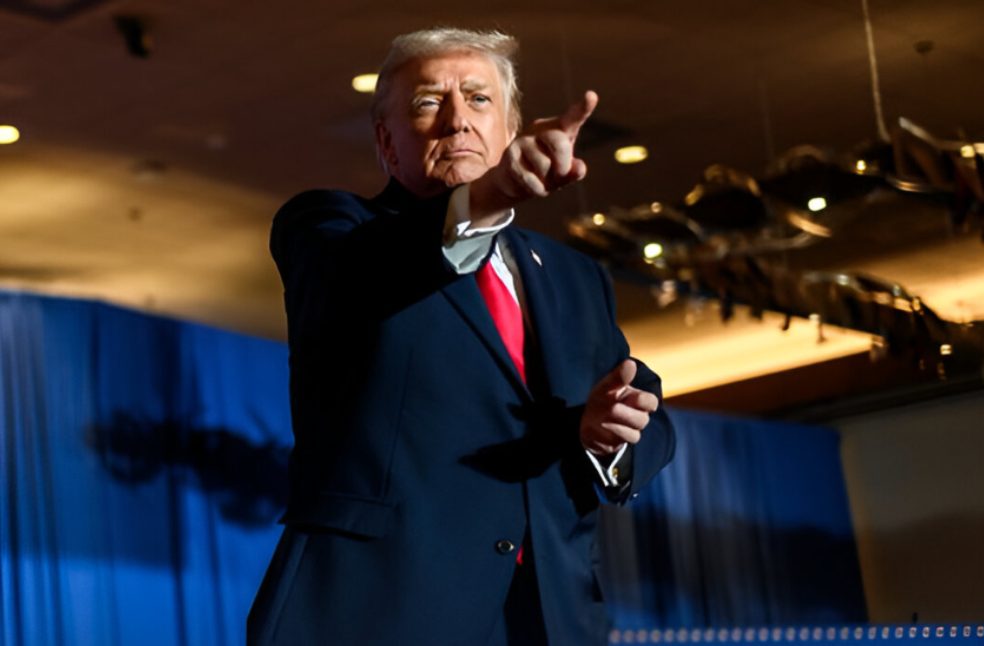
Washington: United States President Donald Trump has announced plans to sign an executive order formally classifying fentanyl and its core precursor chemicals as a ‘weapon of mass destruction‘ (WMD), marking a further escalation in the administration’s use of militarised language to frame its campaign against international drug trafficking networks.
The announcement at a White House event, followed repeated references by the administration to drug smugglers as ‘narco-terrorists‘ and the designation of several Latin American cartels as foreign terrorist organisations. Officials have increasingly argued that such groups are not merely profit-driven criminal networks, but actors seeking to destabilise the United States.
BREAKING: President Trump just declared FENTANYL a WEAPON OF MASS DESTRUCTION.
This critical step unleashes every tool to combat the cartels & foreign networks responsible for flooding communities with this deadly substance—the leading cause of death among Americans aged 18-45. pic.twitter.com/C9YXC53kzK
— The White House (@WhiteHouse) December 15, 2025
Trump stated that, “There’s no doubt that America’s adversaries are trafficking fentanyl into the United States, in part because they want to kill Americans. That’s why today, I’m taking one more step to protect Americans from the scourge of deadly fentanyl flooding into our country. With this historic executive order I will sign today, we’re formally classifying fentanyl as a weapon of mass destruction.”
The practical implications of the designation remain unclear, including whether it would affect the legal medical use of fentanyl. The executive order does not change existing law, but instead directs the heads of executive agencies to take further actions to eliminate the threat of illicit fentanyl and its core precursor chemicals to the United States.
Under current US law, which the president cannot unilaterally amend, a weapon of mass destruction is defined as any weapon intended to cause death or serious bodily harm through the release or dissemination of toxic or poisonous chemicals or their precursors. The definition also encompasses biological agents, toxins, radioactive weapons, and destructive devices such as bombs, missiles and grenades.
The administration has already cited fentanyl trafficking as justification for imposing higher tariffs on Mexico and China, as well as for expanding military operations in the Caribbean and eastern Pacific. These actions have included strikes on vessels suspected of drug smuggling, moves that human rights groups warn could amount to extrajudicial killings. The US has also surged military assets near Venezuela, framing the deployments as part of its counter-narcotics campaign.
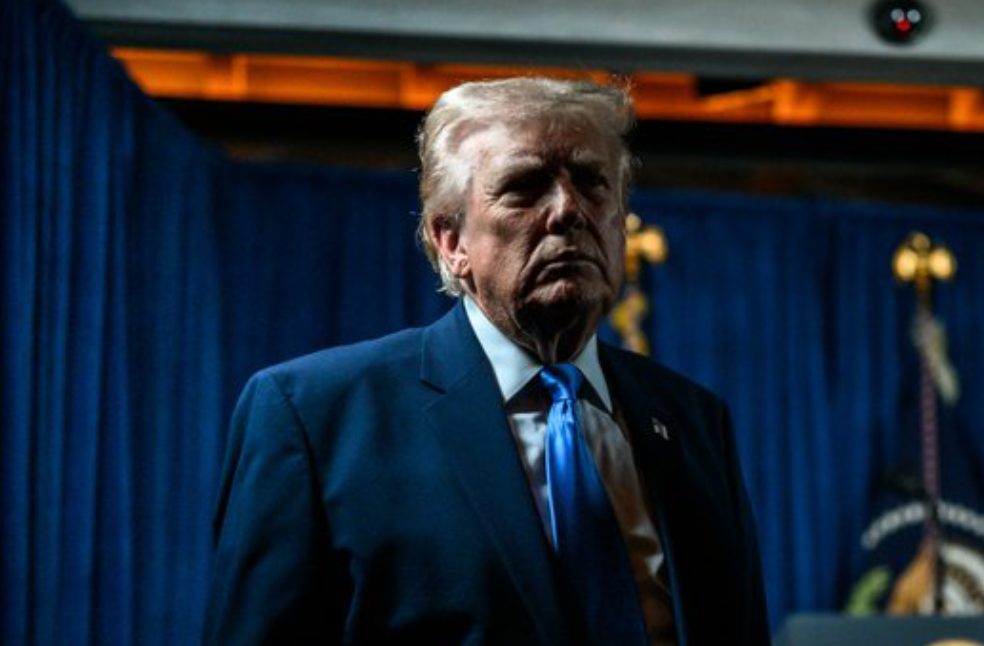
Trump reiterated threats of potential land operations targeting alleged drug trafficking activities. Venezuelan President Nicolás Maduro has consistently rejected the accusations, arguing that Washington’s pressure campaign is aimed at destabilising and ultimately overthrowing his government.
Despite the heightened rhetoric, regional experts have questioned the administration’s claims. Analysts note that Venezuela and much of South America are not considered hubs for fentanyl production or export. “To be perfectly clear, there is no fentanyl coming from Venezuela or elsewhere in South America,” said John Walsh, director for drug policy and the Andes at the Washington Office on Latin America, during a recent expert briefing.
Some critics have drawn parallels between the current pressure campaign and the lead-up to the 2003 US invasion of Iraq, which was justified by claims that Saddam Hussein’s government possessed weapons of mass destruction, allegations that were later proven false.
MOST READ | Shooting leaves 2 students dead at Brown University
